Gardening Doesn't Have to Be Complicated if You Know What You're Doing

With just a bit of practical knowledge and the right tools, anyone can create a lush, vibrant garden space. Whether you're tending to houseplants, nurturing a vegetable patch, or crafting a backyard oasis, understanding a few fundamental tips can simplify the entire process. At GardenBotany.com, we're here to guide you every step of the way, making gardening enjoyable, stress-free, and accessible for everyone, from complete beginners to seasoned gardeners looking to perfect their green thumbs.
Latest Gardening Posts and Plant Care Tips
-

How Do I Care for a Carnivorous Plant Like a Venus Flytrap Indoors?
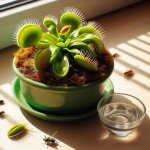
Learning how to care for a carnivorous plant like a Venus flytrap indoors can be a truly fascinating and rewarding experience. These unique plants, with their iconic snapping traps, are not your average houseplant and have very specific environmental needs that differ significantly from most other indoor plants. Successfully growing a Venus flytrap at home requires attention to detail, especially regarding light, water, and soil, as they naturally thrive in boggy, nutrient-poor conditions. By understanding and replicating their natural habitat as closely as possible, you can ensure your Venus flytrap not only survives but truly flourishes, becoming a captivating addition to your indoor garden.
-
What Are the Best Care Tips for Calatheas with Colorful Leaves?
The allure of Calatheas, with their mesmerizing patterns and often vibrant undersides, adds an unparalleled touch of living art to any indoor space. While undeniably beautiful, keeping these "prayer plants" in peak condition requires a nuanced approach, making understanding what are the best care tips for Calatheas with colorful leaves essential for success. This comprehensive guide will illuminate the specific environmental conditions and cultural practices that ensure your highly decorative Calathea varieties maintain their striking foliage and thrive.
-
How Do I Grow and Maintain Bonsai Trees Indoors?
The art of Bonsai, the cultivation of miniature trees in containers, captivates enthusiasts worldwide. While traditional Bonsai often refers to outdoor species, the desire to bring this ancient art indoors has led to the popularity of growing tropical and subtropical trees as houseplants. If you've ever wondered how to grow and maintain Bonsai trees indoors, you're embarking on a rewarding journey that blends horticulture with artistic expression. This comprehensive guide will equip you with the knowledge and techniques needed to cultivate thriving miniature trees within your home, transforming them into living sculptures that bring a sense of peace and natural beauty to your space.
-
How Do I Care for Air Plants (Tillandsia) Without Soil?
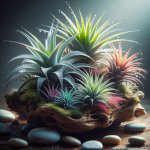
Learning how to care for air plants (Tillandsia) without soil unlocks a unique and fascinating aspect of horticulture, allowing these epiphytic wonders to flourish in creative displays. Unlike most houseplants, Tillandsias absorb all their water and nutrients through specialized scales on their leaves, making traditional potting methods unnecessary. Mastering the art of providing adequate hydration, light, and air circulation without the need for soil is key to maintaining their health and vibrant appearance.
-
What Are the Key Considerations for Lawn Care in Historical or Heritage Gardens?
Caring for a lawn within a historical or heritage garden presents a unique set of challenges and responsibilities. Unlike modern landscapes that prioritize pristine, uniform turf, these venerable spaces demand an approach that respects their past, preserves their original character, and adapts to the nuances of aged ecosystems. It's a delicate balance between maintaining historical authenticity and ensuring the health and longevity of the turf.
-
How to Establish and Maintain a No-Mow Lawn?
The familiar hum of a lawnmower, the smell of freshly cut grass, and the endless cycle of trimming and edging are deeply ingrained in our idea of a perfect lawn. But what if you could have a beautiful, green carpet that requires significantly less work, water, and fuel? The concept of a no-mow lawn is gaining popularity for good reason. It offers a refreshing alternative to the traditional turfgrass, promising less maintenance, more environmental benefits, and a different kind of natural beauty.
-
What Are the Best Lawn Care Practices for High-Salt Environments?
Maintaining a lush, green lawn is a cherished goal for many homeowners, a symbol of pride and a beautiful backdrop for outdoor living. However, in certain environments, this aspiration comes with a unique set of challenges. High-salt environments, common in coastal regions, areas with heavy road salt usage during winter, or even places with naturally saline soils or irrigation water, can pose significant hurdles for turfgrass health. The presence of excess salt can stress turf, leading to browning, thinning, and overall decline.
-
How to Care for a Lawn with Heavy Deer Activity?
For many homeowners, a lush, green lawn is the epitome of curb appeal and outdoor comfort. Yet, this verdant dream can quickly turn into a frustrating challenge when a less-than-welcome visitor makes it their personal dining spot: deer. While these graceful creatures are a beautiful sight in natural landscapes, their presence in residential areas, particularly when it leads to heavy deer activity on your lawn, can result in significant damage, from grazed turf to unsightly bare patches and even hoof-related divots. The quest to maintain a healthy lawn amidst frequent deer visits requires a blend of understanding deer behavior and implementing strategic deterrents.
-
What Are the Best Methods for Lawn Care in High-Altitude Regions?
Maintaining a lush, green lawn is a point of pride for many homeowners. However, if you live in a high-altitude region, you know that growing a beautiful lawn comes with its own unique set of challenges. The thin air, intense sunlight, colder temperatures, and often unpredictable weather patterns can make traditional lawn care advice feel completely irrelevant. What works perfectly at sea level might cause your grass to struggle, turn brown, or simply refuse to grow at higher elevations. But don't despair! With a little specialized knowledge and the right techniques, you can cultivate a stunning lawn that thrives even in the most demanding mountain environments. It's all about understanding the specific conditions of high altitude and adapting your approach to meet the unique needs of your grass.
-
How to Manage a Lawn with Invasive Plant Species?
A lush, green lawn is often the pride of a homeowner, but maintaining that perfect carpet of grass can be a challenge, especially when unwanted guests arrive. Invasive plant species are aggressive growers that can quickly take over your lawn, outcompeting your desired grass for water, nutrients, and sunlight. They can turn a uniform green space into a patchy, unruly mess. Dealing with these invaders requires a clear understanding of what you're up against and a strategic approach to reclaim your turf. This guide will help you identify common culprits and arm you with effective methods to manage and remove them, restoring your lawn to its former glory.