Gardening Doesn't Have to Be Complicated if You Know What You're Doing
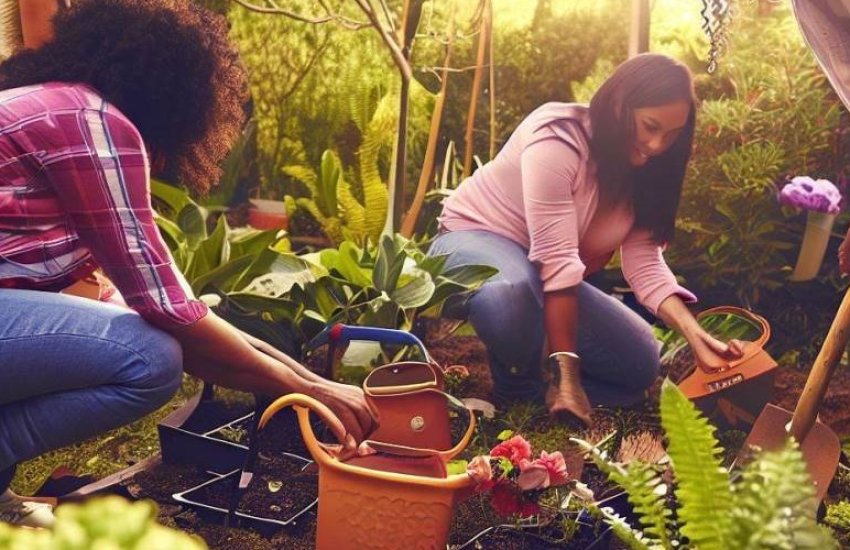
With just a bit of practical knowledge and the right tools, anyone can create a lush, vibrant garden space. Whether you're tending to houseplants, nurturing a vegetable patch, or crafting a backyard oasis, understanding a few fundamental tips can simplify the entire process. At GardenBotany.com, we're here to guide you every step of the way, making gardening enjoyable, stress-free, and accessible for everyone, from complete beginners to seasoned gardeners looking to perfect their green thumbs.
Latest Gardening Posts and Plant Care Tips
-

What should I do if my lawn is turning brown?
Seeing your lush, green lawn start to turn brown can be one of the most disheartening experiences for a homeowner. What was once a vibrant carpet now looks tired, stressed, and far from the ideal outdoor space you envision. A brown lawn isn't just an aesthetic problem; it's often a clear signal that something isn't quite right with your grass, and it needs your attention. The cause can range from simple environmental factors to more complex issues like diseases or pests.
-
How can I promote healthy root growth in my lawn?
A beautiful, resilient lawn isn't just about what you see above ground. While lush green blades and a uniform carpet of turf are certainly desirable, the true secret to a thriving lawn lies beneath the surface, in its intricate network of roots. Healthy, deep roots are the lifeline of your grass, enabling it to absorb water and nutrients efficiently, withstand drought and heat stress, fend off pests and diseases, and bounce back from foot traffic. Without a strong root system, even the greenest lawn can be a fragile illusion, susceptible to collapse at the first sign of adversity.
-
What are some eco-friendly ways to control pests in my lawn?
A vibrant, green lawn is often the pride of a homeowner, providing a beautiful space for recreation and relaxation. However, the unwelcome arrival of pests can quickly turn that lush expanse into a source of frustration. From unsightly brown patches to damaged roots, lawn pests can cause significant headaches. While chemical pesticides offer a quick fix, they often come with environmental concerns, harming beneficial insects, polluting waterways, and potentially posing risks to children and pets. This has led many environmentally conscious gardeners to seek out kinder, greener alternatives.
-
What are some creative ways to use compost beyond just in the garden?
The process of transforming kitchen scraps and yard waste into rich, dark, earthy material is truly remarkable. Compost, often called "black gold," is celebrated by gardeners for its incredible ability to nourish soil and boost plant growth. It's an essential part of healthy gardening, improving soil structure, providing nutrients, and helping plants thrive. For most people, the immediate thought when they hear "compost" is its direct use in garden beds, improving vegetable patches, or feeding flower borders.
-
How do I harvest and store compost for future use?
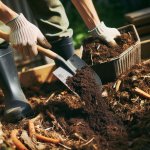
Composting is truly magical. It's the process of turning kitchen scraps, yard waste, and other organic materials into a rich, dark, nutrient-filled soil amendment that gardeners affectionately call "black gold." This amazing material, compost, breathes new life into your garden soil, making plants healthier, more productive, and less prone to disease. It's a fantastic way to recycle, reduce waste, and improve your garden all at once. But once you've nurtured your compost pile and watched it transform, the next big question arises: how do you know when it's ready, and what do you do with it then? Harvesting and storing your finished compost correctly ensures you get the most benefit from your efforts. Let's dig into the secrets of knowing when your compost is perfectly aged and how to keep it ready for your garden's needs.
-
Best Composting Methods to Avoid Attracting Pests like Rodents and Flies
Composting is an incredibly rewarding practice. It's a fantastic way to recycle your kitchen scraps and yard waste, turning them into nutrient-rich "black gold" for your garden. It reduces landfill waste, enriches your soil, and supports healthier plants. Many people are eager to start composting, but a common worry often holds them back: "Won't it attract pests like rodents and flies?" This concern is valid, as a poorly managed compost pile can indeed become an unwelcome buffet for critters.
-
Can I compost paper towels and cardboard toilet paper rolls?
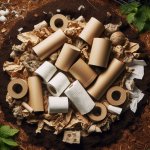
Composting is a cornerstone of sustainable living for many gardeners and environmentally conscious households. It's a powerful way to reduce waste and create nutrient-rich material for your garden. While the benefits of composting kitchen scraps and yard trimmings are widely known, you might find yourself wondering about other common household items. Specifically, can those used paper towels from wiping up spills, and the ever-present cardboard toilet paper rolls, find a new life in your compost pile? The short answer is often a resounding yes, but with important conditions for each! Understanding these nuances can significantly boost your compost's health and divert even more waste from landfills.
-
How do I maintain a healthy balance of carbon and nitrogen in my compost pile?
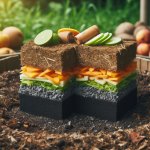
Composting is like baking a cake. You need the right ingredients in the right amounts for it to turn out perfectly. In composting, the two main "ingredients" are carbon and nitrogen. These two elements are vital because they are the food for the tiny workers in your compost pile – the microbes. These microbes break down all your kitchen scraps and yard waste into rich, dark compost. If you get the carbon-nitrogen balance wrong, your compost pile can become a slow, smelly mess, or just sit there doing nothing. Getting this balance right is the secret to fast, efficient, and odor-free outdoor composting. It’s the cornerstone of successful compost management.
-
Is it possible to compost in an apartment or without outdoor space?
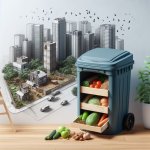
Many people think that composting is only for those with a big backyard and a sprawling garden. They picture large outdoor bins, piles of decaying leaves, and a slightly earthy smell. If you live in an apartment or a small home with no outdoor space, you might feel like composting is out of reach. But that's simply not true! You absolutely can compost, even without a traditional garden. In fact, indoor composting methods are incredibly effective, surprisingly clean, and a fantastic way to reduce your waste and create valuable soil amendments. It's all about choosing the right method for your living situation and understanding the basics of decomposition. Getting started with indoor composting can be a fun and rewarding way to make a big difference for the environment, all from the comfort of your kitchen or balcony.
-
What are the benefits of adding biochar to my compost pile?
For generations, gardeners have understood the transformative power of compost, turning kitchen scraps and yard waste into nutrient-rich "black gold" that breathes life into tired soil. It's a cornerstone of organic gardening, improving soil structure, boosting fertility, and fostering a thriving ecosystem beneath the surface. However, a relatively new player has emerged in the world of soil amendments, promising to supercharge the benefits of traditional composting: biochar. This fascinating material, a form of charcoal produced through a special low-oxygen burning process, has been quietly revolutionizing sustainable agriculture and holds immense potential for the home gardener.