Gardening Doesn't Have to Be Complicated if You Know What You're Doing

With just a bit of practical knowledge and the right tools, anyone can create a lush, vibrant garden space. Whether you're tending to houseplants, nurturing a vegetable patch, or crafting a backyard oasis, understanding a few fundamental tips can simplify the entire process. At GardenBotany.com, we're here to guide you every step of the way, making gardening enjoyable, stress-free, and accessible for everyone, from complete beginners to seasoned gardeners looking to perfect their green thumbs.
Latest Gardening Posts and Plant Care Tips
-

Nutrient Necessities: Identifying Plant Nutrient Deficiencies
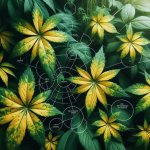
Identifying plant nutrient deficiencies involves observing specific patterns of leaf discoloration, stunted growth, or abnormal development on either older or newer plant tissues. Each essential nutrient leaves distinct clues when in short supply, making visual diagnosis a key skill for gardeners.
-
Root Rescue: Preventing Root Rot in Plants
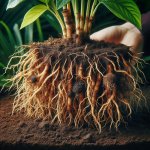
Preventing root rot in plants primarily involves ensuring proper watering practices, using well-draining potting mix and pots with adequate drainage holes, and maintaining good soil aeration. Root rot is a common and often fatal fungal condition caused by consistently wet soil.
-
Caterpillar Crisis: Combatting Caterpillar Damage on Plants
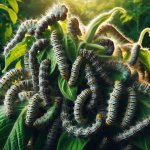
Combatting caterpillar damage on plants primarily involves diligent hand-picking, encouraging natural predators, and using targeted organic sprays like Bacillus thuringiensis (Bt) to control these voracious chewing pests. Early detection is key to managing a caterpillar crisis.
-
Aphid Apocalypse: Effective Aphid Control Methods
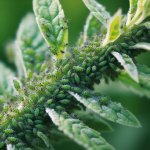
Effective aphid control methods involve a combination of physical removal, organic insecticide sprays, and encouraging natural predators to manage these common garden pests. Early detection and consistent treatment are key to preventing an aphid apocalypse.
-
Mold Matters: Strategies for Treating Plant Mold
Treating plant mold typically involves improving air circulation, reducing humidity, adjusting watering practices, and sometimes using organic or chemical fungicides to eliminate the fungal growth. Understanding the type of mold is the first step toward effective strategies.
-
Fungal Foes: Battling Fungal Infections in Plants
Battling fungal infections in plants requires prompt identification, improving environmental conditions, and applying appropriate treatments like organic fungicides or cultural controls. Early action is key to saving infected plants and preventing further spread.
-
Wilt Worries: How to Prevent Plant Wilting
To prevent plant wilting, the most crucial steps are to ensure consistent and appropriate watering, provide adequate drainage, and protect plants from extreme temperatures and sudden environmental changes. Wilting is often a sign of water stress, either too much or too little.
-
Browning Alert: What's Causing Browning Edges on Plant Leaves?
Browning edges on plant leaves are a very common symptom of environmental stress, primarily indicating issues with humidity, watering, or salt buildup. This "crispy edge" appearance is often the plant's way of signaling that it's struggling to retain moisture.
-
Yellow Alert: Investigating Yellowing Leaves on Plants
Yellowing leaves on plants, known as chlorosis, are a common symptom of various underlying problems, most frequently related to watering issues, nutrient deficiencies, or light imbalances. Understanding the location and pattern of the yellowing is crucial for accurate diagnosis and effective treatment.
-
Color Cues: Deciphering Leaf Discoloration Causes
Leaf discoloration is a common sign of plant stress, often indicating issues with watering, light, nutrients, pests, or disease. Deciphering these color cues is essential for diagnosing the problem and helping your plant recover.