Gardening Doesn't Have to Be Complicated if You Know What You're Doing

With just a bit of practical knowledge and the right tools, anyone can create a lush, vibrant garden space. Whether you're tending to houseplants, nurturing a vegetable patch, or crafting a backyard oasis, understanding a few fundamental tips can simplify the entire process. At GardenBotany.com, we're here to guide you every step of the way, making gardening enjoyable, stress-free, and accessible for everyone, from complete beginners to seasoned gardeners looking to perfect their green thumbs.
Latest Gardening Posts and Plant Care Tips
-

What is the best mulch for fruit plants?
Choosing the best mulch for fruit plants is one of the most impactful decisions you can make for the health and productivity of your orchard or garden. Mulch is not just for aesthetics; it's a powerful tool that significantly improves soil health, conserves water, regulates soil temperature, and suppresses weeds, all of which directly benefit your fruit trees and berry bushes. While many materials can be used as mulch, organic mulches are generally superior for fruit plants because they break down over time, enriching the soil.
-
How do I tell if a fruit tree needs more water?
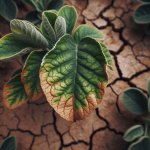
Knowing how to tell if a fruit tree needs more water is one of the most fundamental skills for any gardener or orchardist. Proper watering is absolutely essential for the health, growth, and fruit production of your trees. While too little water can stress a tree and lead to poor yields or even death, too much water can also cause serious problems like root rot. The key is to learn to read the subtle (and sometimes not so subtle) signs your tree is giving you, and to understand its watering needs based on its age, type, and environment.
-
What fruits can be grown from kitchen scraps?
Growing fruits from kitchen scraps is a fascinating and rewarding way to reduce food waste, teach about plant life cycles, and potentially cultivate new plants for your home or garden. While you might not achieve a commercially viable harvest from every scrap, many common fruits can sprout and grow into viable plants from their seeds, pits, or even cuttings. This process is often called regrowing kitchen scraps or food scrap gardening. It’s an exciting experiment that can lead to beautiful houseplants, provide fresh herbs, or, with patience and the right conditions, even produce fruit.
-
Advertisement
-
How do I protect my fruit trees from birds?
Protecting your fruit trees from birds is a common challenge for many home gardeners and orchardists. While birds can be beneficial in consuming insect pests, their appetite for ripe fruit, especially cherries, berries, and stone fruits, can quickly decimate an entire crop. The good news is that there are many effective and humane ways to deter birds without harming them or resorting to harsh measures. The most reliable methods focus on exclusion, creating physical barriers that prevent birds from reaching the fruit, combined with deterrents that scare them away or make your trees less appealing.
-
Can I grow apples without pesticides?
Yes, you absolutely can grow apples without pesticides, but it requires a dedicated and proactive approach. While commercial apple farming often relies heavily on chemical sprays to manage pests and diseases, home growers and organic orchards have proven that it's possible to cultivate healthy, delicious apples using a variety of organic and sustainable methods. The key lies in understanding the apple tree's ecosystem, preventing problems before they start, and employing integrated pest management (IPM) strategies that focus on natural solutions rather than chemical interventions.
-
What is the best way to prune grapevines?
Pruning grapevines is the most critical task for ensuring healthy growth, managing vine vigor, and achieving consistent, high-quality fruit production. Without proper pruning, grapevines can become overgrown, produce little fruit, or yield grapes of poor quality. The best way to prune grapevines involves understanding the vine's growth habits, identifying productive wood, and making precise cuts during the dormant season. The primary goal of pruning is to balance vegetative growth (leaves and shoots) with reproductive growth (fruit).
-
How do I grow cherries in a home garden?
Growing cherries in your home garden can be a rewarding experience, offering delicious fruit straight from your own backyard. To successfully cultivate cherry trees, you need to consider several key factors: choosing the right variety, providing ideal growing conditions, and consistently caring for the trees. Start by selecting cherry varieties that thrive in your local climate, paying attention to their chill hour requirements. Chill hours are the number of hours a cherry tree needs to spend at temperatures between (0^\circ \text{C}) and (7^\circ \text{C}) to break dormancy and produce fruit. Sweet cherries generally need more chill hours than tart cherries.
-
Why are my geraniums getting leggy?
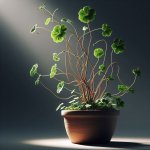
When your geraniums are getting leggy, it means their stems are becoming long, stretched out, and often sparse, rather than growing into a compact, bushy plant. The primary reason for this lanky growth is almost always insufficient light. Geraniums are sun-loving plants, and when they don't receive enough sunlight, they "reach" and stretch their stems in an attempt to find more light, leading to that characteristic leggy appearance.
-
What causes red leaves on tomato plants?
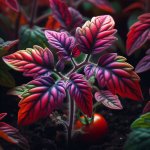
Red leaves on tomato plants are a common sight that often signals a problem, though not always a serious one. The most frequent cause is a phosphorus deficiency, especially in young plants. When tomato plants can't get enough phosphorus, they produce a pigment called anthocyanin, which gives the leaves their purplish-red hue. This deficiency is often triggered by cold soil temperatures, which make phosphorus harder for the roots to absorb.
-
How to treat leaf scorch in hydrangeas?
Leaf scorch in hydrangeas is primarily caused by insufficient water supply to the leaves, often during hot, sunny, or windy conditions. It's essentially the plant showing signs of severe dehydration, where the leaves lose water faster than the roots can take it up. The immediate treatment involves providing consistent and adequate moisture, especially during heatwaves.