Gardening Doesn't Have to Be Complicated if You Know What You're Doing
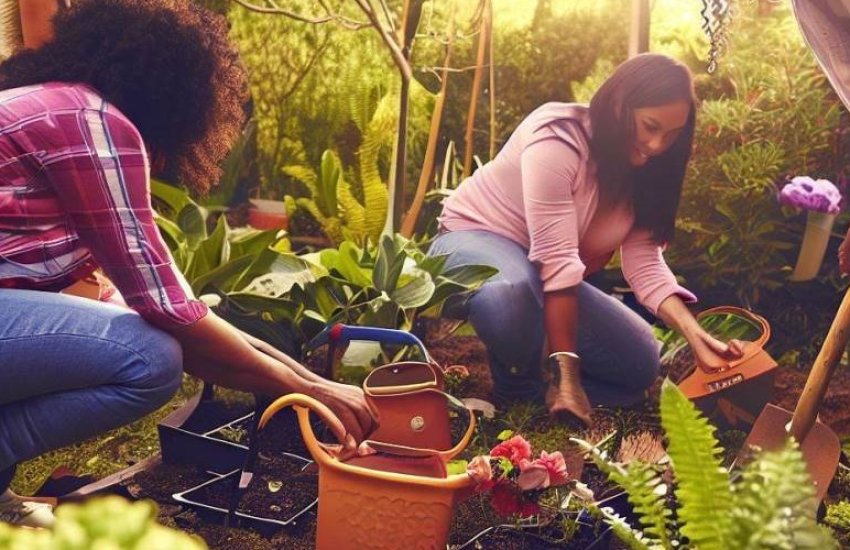
With just a bit of practical knowledge and the right tools, anyone can create a lush, vibrant garden space. Whether you're tending to houseplants, nurturing a vegetable patch, or crafting a backyard oasis, understanding a few fundamental tips can simplify the entire process. At GardenBotany.com, we're here to guide you every step of the way, making gardening enjoyable, stress-free, and accessible for everyone, from complete beginners to seasoned gardeners looking to perfect their green thumbs.
Latest Gardening Posts and Plant Care Tips
-

How do I prepare fruit trees for winter?
To prepare fruit trees for winter, ensure they are well-watered, protected from pests and rodents, and insulated from extreme cold. This involves late-season watering, applying trunk guards, mulching the root zone, and sometimes providing physical barriers or anti-desiccants, all designed to help the tree survive dormancy and thrive next spring.
-
What are the best fruits to grow in partial shade?
The best fruits to grow in partial shade are typically berries, such as currants, gooseberries, raspberries, and certain blueberries, along with a few tree fruits like serviceberries. These plants can tolerate less than full sun exposure while still producing a reasonable harvest.
-
How do I train espaliered apple trees?
To train espaliered apple trees, you must select a suitable dwarf variety, establish a strong support structure, and then meticulously prune and tie branches to the desired flat, two-dimensional pattern over several years. This precise technique encourages fruit production while optimizing space.
-
Advertisement
-
Can I grow fruit trees from store-bought fruit?
Yes, you can grow fruit trees from store-bought fruit, but it's important to understand that the resulting tree will likely not produce fruit identical to its parent, and it will take many years to bear fruit, if at all. This method is often more of a fun experiment than a reliable way to start an orchard.
-
How do I grow melons in small spaces?
You can successfully grow melons in small spaces by choosing compact or bush varieties and utilizing vertical gardening techniques like trellising to save ground space. Providing ample sunlight, consistent watering, and rich soil in a container or raised bed are also key.
-
What are the signs of overwatering fruit trees?
The most common signs of overwatering fruit trees include yellowing leaves, wilting foliage despite moist soil, stunted growth, and in severe cases, a foul smell from the soil due to root rot. Observing these symptoms early is crucial to prevent irreversible damage to your tree.
-
How do I attract bees to my fruit garden?
To attract bees to your fruit garden, prioritize planting a diverse array of pollinator-friendly flowers that provide continuous bloom from early spring to late fall. Supplement this with fresh water sources and by avoiding synthetic pesticides, creating a welcoming and safe habitat for these essential pollinators.
-
Can I grow bananas in pots?
Yes, you can absolutely grow bananas in pots, making it possible to cultivate these tropical plants even in cooler climates or limited spaces. Growing bananas in containers allows you to control their environment, protect them from harsh weather, and even bring them indoors during winter.
-
How do I deal with powdery mildew on fruit trees?
To deal with powdery mildew on fruit trees, focus on preventative measures like choosing resistant varieties, ensuring good air circulation through proper pruning, and appropriate watering. If powdery mildew appears, treat it promptly with organic sprays like neem oil, potassium bicarbonate, or a homemade baking soda solution.
-
What is the best fertilizer for organic fruit gardening?
The best fertilizer for organic fruit gardening is not a single product but rather a holistic approach that focuses on building healthy, living soil through the consistent addition of compost and other natural, slow-release amendments. This strategy nurtures the soil's microbial life, which in turn makes nutrients available to fruit plants over time.