Gardening Doesn't Have to Be Complicated if You Know What You're Doing
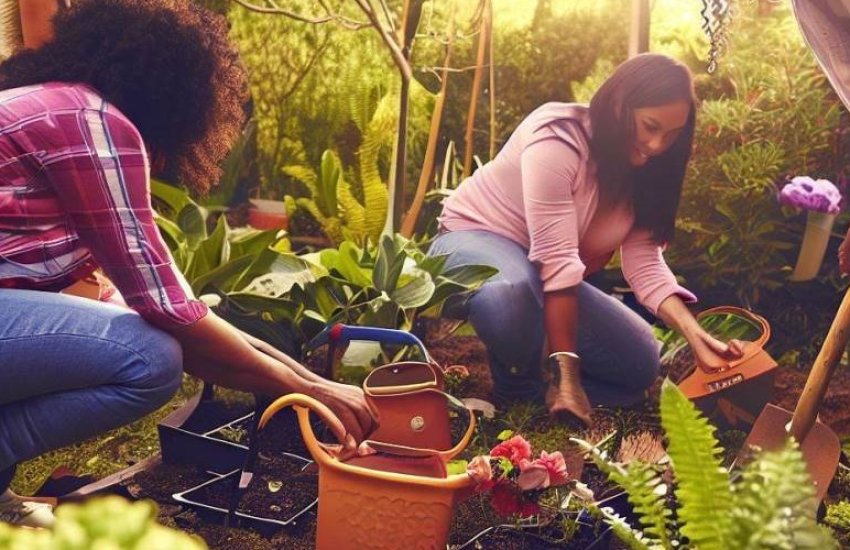
With just a bit of practical knowledge and the right tools, anyone can create a lush, vibrant garden space. Whether you're tending to houseplants, nurturing a vegetable patch, or crafting a backyard oasis, understanding a few fundamental tips can simplify the entire process. At GardenBotany.com, we're here to guide you every step of the way, making gardening enjoyable, stress-free, and accessible for everyone, from complete beginners to seasoned gardeners looking to perfect their green thumbs.
Latest Gardening Posts and Plant Care Tips
-

What to Do in Your Garden in Late Fall?
As the vibrant colors of autumn begin to fade and the air takes on a crisp, wintry chill, many gardeners might be tempted to put their tools away for the season. But late fall isn't just about admiring the last few leaves; it's a crucial time for essential garden chores that will determine the success of your plants and the health of your soil next spring. Knowing what to do in your garden in late fall is all about preparation, protection, and setting the stage for a thriving new growing season. This guide will walk you through the most important tasks to tackle before winter truly sets in.
-
Best Outdoor Cushions for Garden Seating Areas
The best outdoor cushions for garden seating areas combine durability against weather, comfort for prolonged use, and resistance to fading, mold, and mildew. Key considerations include the fabric type, foam fill, and overall construction, ensuring they withstand the elements while providing a comfortable and aesthetically pleasing experience.
-
How to Build a Living Wall for Garden Decor?
You can build a living wall for garden decor by choosing a suitable system (pocket planters, modular panels, or DIY pallets), selecting the right plants for your light and climate, and setting up an efficient watering system. This creates a beautiful vertical garden, ideal for small spaces or adding a stunning green feature.
-
Advertisement
-
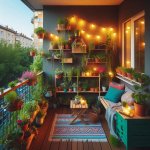
How to Decorate Your Balcony Garden Creatively?
To decorate your balcony garden creatively, focus on maximizing vertical space with innovative planters, selecting plants for multi-seasonal interest and fragrance, and incorporating personalized decor elements like lighting, textiles, and unique seating that reflect your style and enhance functionality. Careful planning ensures every inch contributes to a cohesive and inviting outdoor oasis.
-
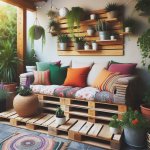
DIY Pallet Furniture Ideas for Garden Decor
Looking to add rustic charm, sustainable style, and comfortable seating to your outdoor space without breaking the bank? Look no further than wooden pallets! These ubiquitous shipping platforms are a goldmine for DIY garden furniture ideas. With a bit of creativity, some basic tools, and a dash of elbow grease, you can transform humble pallets into stunning, functional pieces that will elevate your garden decor. This guide will inspire you with practical DIY pallet furniture projects and walk you through the essential steps to get started on your pallet masterpiece.
-
How to Use Outdoor Mirrors in Garden Design?
You can use outdoor mirrors in garden design to create illusions of space, reflect light, highlight focal points, and add artistic flair. Strategic placement is key to transforming your outdoor area into a more expansive and captivating environment.
-
How to Tell If Your Compost Is Too Acidic?
To tell if your compost is too acidic, you'll primarily use a pH test kit for accurate measurement. Other indicators include a persistently slow decomposition rate, an unusual or sour odor, and an abundance of specific fungi.
-
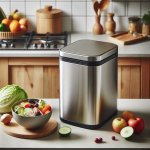
Best Containers for Indoor Food Scrap Composting
The best containers for indoor food scrap composting are typically airtight kitchen counter bins for temporary storage, or larger specialized systems like worm composting bins (vermicomposting) and Bokashi buckets for active decomposition. Each type offers distinct advantages in managing odors and accelerating the breakdown of organic waste in an indoor environment.
-
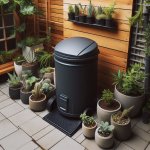
How to Make Compost with No Smell in Urban Areas?
Composting is a cornerstone of sustainable living, turning kitchen scraps and yard waste into nutrient-rich "black gold" for your plants. But if you live in an urban area with close neighbors, limited space, or perhaps a small patio, the thought of starting a compost bin often comes with a big concern: smell. Nobody wants to be that neighbor whose compost pile makes the whole block wrinkle their nose! The good news is, you absolutely can make compost with no smell in urban areas. It all comes down to understanding the science of odor and implementing smart, proactive composting practices. This guide will show you how to keep your compost fresh and your neighbors happy.
-
Can You Compost Animal Bones? A Beginner’s Guide
After a delicious meal, you're left with chicken bones, fish skeletons, or maybe a beef rib. As a composting enthusiast, your first thought might be: "Can these go in the compost bin?" The question of can you compost animal bones is a common one, and it often leads to conflicting advice. While many composting guides warn against them, the truth is, it is possible to compost bones, but it's not always simple, especially for beginners or in standard home compost bins. This guide will provide a beginner's understanding, separating myths from facts, and outlining the best methods and precautions for adding bones to your compost.