Composting Gardening Tips and Plant Care
Composting is nature's way of recycling, turning everyday kitchen scraps and garden waste into rich, nutritious soil that plants love. Whether you're new to composting or looking to enhance your existing setup, GardenBotany.com offers easy-to-follow guides, practical tips, and solutions to common composting challenges. Discover how composting can significantly reduce household waste, improve your garden's health, and support a greener lifestyle—all while saving money and helping the environment thrive.
Recent Posts of Composting - Gardening Ideas
-

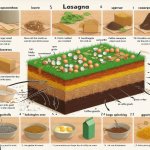
Layering Your Compost: The Lasagna Method Explained
Layering your compost using the Lasagna Method is a highly effective way to build and maintain a balanced, efficient compost pile, simplifying the process of creating nutrient-rich soil. This technique, also known as sheet composting or no-dig gardening, involves alternating layers of "greens" and "browns" directly onto a garden bed or dedicated area, mimicking a delicious layered dish for your soil. This guide explains the method in detail.
-
The Science of Decomposition: Unpacking the Composting Process
The science of decomposition is a fascinating natural process where organic matter breaks down into simpler substances, making it the fundamental principle behind successful composting. Unpacking the composting process reveals a complex interplay of microorganisms, temperature, moisture, and aeration, all working together to transform waste into nutrient-rich soil amendment. Understanding these scientific elements empowers you to create high-quality compost efficiently.
-
Compost Tea: The Liquid Gold for Plants - How to Brew and Use It Effectively
Compost tea is a powerful liquid gold for plants, teeming with beneficial microorganisms and soluble nutrients that give your garden a vibrant biological boost. To brew and use it effectively, you need to understand the science behind its creation, choose high-quality compost, and apply it strategically to maximize plant health and disease resistance.
-
Advertisement
-
The Role of Composting in Sustainable Gardening: Reduce Waste & Impact
The role of composting in sustainable gardening is absolutely fundamental, acting as a cornerstone practice that allows gardeners to both reduce waste and minimize environmental impact. By transforming organic discards into a valuable soil amendment, composting closes nutrient loops, enhances soil health, and reduces reliance on external, resource-intensive inputs.
-
Troubleshooting Compost Problems: Fix Smelly, Slimy, or Slow Compost
When facing compost problems, such as a smelly, slimy, or slow pile, it's typically a sign that one or more of the essential composting ingredients—carbon, nitrogen, water, or air—are out of balance. This guide will help you diagnose the specific issue and implement effective solutions to get your compost back on track to becoming nutrient-rich "black gold."
-
Worm Composting: How Vermicomposting Boosts Your Garden’s Growth
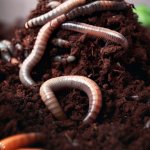
Worm composting (vermicomposting) significantly boosts your garden's growth by transforming kitchen scraps and organic waste into exceptionally nutrient-rich worm castings and "worm tea," which are superior soil amendments. This eco-friendly method harnesses the power of specialized composting worms to create a potent "black gold" that enhances soil structure, feeds plants, and suppresses diseases.
-
DIY Composting: Building an Easy and Effective Compost Bin on a Budget
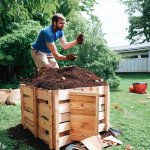
Yes, DIY composting is a fantastic and accessible way to start recycling your organic waste, and building an easy and effective compost bin on a budget is surprisingly straightforward. Many common, inexpensive, or repurposed materials can be transformed into functional composting systems that efficiently produce nutrient-rich soil amendment for your garden.
-
Turning Kitchen Scraps into Black Gold: Best Compostable Materials
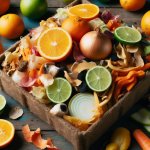
To successfully begin turning kitchen scraps into black gold, you need to understand the distinction between "greens" and "browns" and consistently apply the principles of composting. The best compostable materials are those that provide a balanced mix of nitrogen and carbon, creating an ideal environment for microorganisms to transform your organic waste into nutrient-rich soil amendment.
-
Composting 101: How to Choose the Right Compost Bin for Your Needs
To choose the right compost bin for your needs, you should first consider several key factors including the amount of organic waste you produce, available outdoor space, desired composting speed, and your budget. This guide will help you navigate the various options, from simple piles to advanced systems, ensuring you find the perfect match for your composting journey.
-
The Science of Composting: How Organic Matter Becomes Nutrient-Rich Soil
The science of composting is a fascinating biological process where organic matter is systematically broken down by microorganisms, eventually becoming nutrient-rich soil known as compost. This transformation is driven by a complex interplay of biology, chemistry, and physics, converting waste into a valuable amendment for gardens and farms.