Composting Gardening Tips and Plant Care
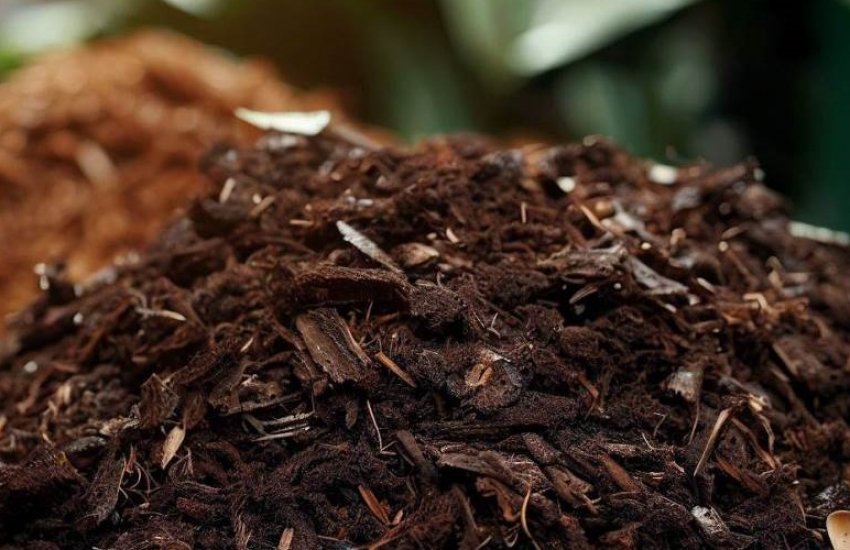
Composting is nature's way of recycling, turning everyday kitchen scraps and garden waste into rich, nutritious soil that plants love. Whether you're new to composting or looking to enhance your existing setup, GardenBotany.com offers easy-to-follow guides, practical tips, and solutions to common composting challenges. Discover how composting can significantly reduce household waste, improve your garden's health, and support a greener lifestyle—all while saving money and helping the environment thrive.
Recent Posts of Composting - Gardening Ideas
-

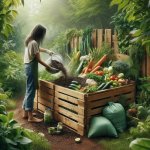
DIY Pallet Compost Bin: Turning Trash into Treasure for Your Garden
Yes, a DIY pallet compost bin is an incredibly effective and sustainable way of turning trash into treasure for your garden, transforming discarded wooden pallets into a robust, budget-friendly composting system. This guide will walk you through building your own compost bin, efficiently converting organic waste into nutrient-rich "black gold."
-
Houseplants 101: Choosing the Right Plants for Your Space and Lifestyl
To successfully navigate houseplants 101 and create a thriving indoor garden, the key is thoughtfully choosing the right plants for your space and lifestyle. This involves assessing your home's environmental conditions, understanding your personal commitment level, and selecting plants that naturally align with both.
-
Odor-Free Composting: Tips to Keep Your Pile Fresh and Fragrant
For odor-free composting, the most critical tips are to maintain a balanced ratio of "greens" (nitrogen) to "browns" (carbon), ensure adequate aeration, and manage moisture levels diligently. A healthy compost pile, undergoing active aerobic decomposition, should consistently smell earthy and fresh, never foul.
-
Advertisement
-
Balancing Greens and Browns: The Secret Ratio for Perfect Compost
Balancing "greens" and "browns" is the secret ratio for perfect compost, typically aiming for a carbon-to-nitrogen (C:N) ratio of roughly 25-30 parts carbon to 1 part nitrogen. This specific balance provides the ideal "diet" for the microorganisms responsible for decomposition, ensuring a fast-working, odorless, and nutrient-rich compost pile.
-
Grass to Gold: Maximizing Your Lawn Clippings in Compost
Maximizing your lawn clippings in compost is a highly effective way to transform a common yard waste into nutrient-rich "black gold" for your garden. By understanding how to properly balance their high nitrogen content with carbon-rich materials, you can create an active, healthy compost pile that breaks down efficiently and enriches your soil.
-
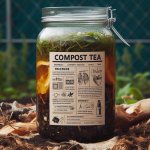
Tea Time for Plants: How to Make and Use Compost Tea
To make and use compost tea for your plants, you essentially brew finished compost in water, often with aeration and a food source, to extract and multiply beneficial microorganisms and water-soluble nutrients. This liquid concentrate can then be applied to plants as a gentle, natural fertilizer and a boost for soil and foliar health.
-
Composting with Worms: An Introduction to Vermicomposting
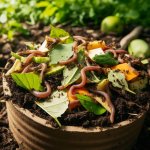
Composting with worms, known as vermicomposting, is an efficient and eco-friendly method of breaking down organic waste into a rich, nutrient-dense soil amendment using specific species of composting worms. It's an excellent way to reduce kitchen waste, create "black gold" for your garden, and can be done indoors year-round with minimal odor.
-
Composting in Cold Climates: Tips to Keep the Pile Active Year-Round
Composting in cold climates, while challenging, can be kept active year-round by focusing on insulation, maintaining a large pile size, managing moisture, and layering materials correctly. While decomposition will slow significantly in freezing temperatures, strategic preparation and management can prevent your compost pile from completely freezing solid and allow activity to resume quickly when warmer weather returns.
-
DIY Compost Bins: Affordable and Sustainable Designs for Every Garden
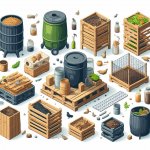
You can easily build DIY compost bins using affordable and sustainable designs to transform your organic waste into nutrient-rich soil amendment for every garden. From simple wire cages to robust pallet structures, these homemade solutions offer an eco-friendly and cost-effective way to produce "black gold" right in your backyard. This guide explores various designs to suit your space and composting goals.
-
Common Composting Mistakes and How to Avoid Them
You can avoid common composting mistakes by understanding the fundamental principles of balanced organic matter, moisture, and aeration, which are crucial for successful decomposition. Many issues, from foul odors to slow breakdown, stem from simple errors that are easily corrected. This guide will help you troubleshoot and achieve rich, dark compost efficiently.