Gardening Gardening Tips and Plant Care
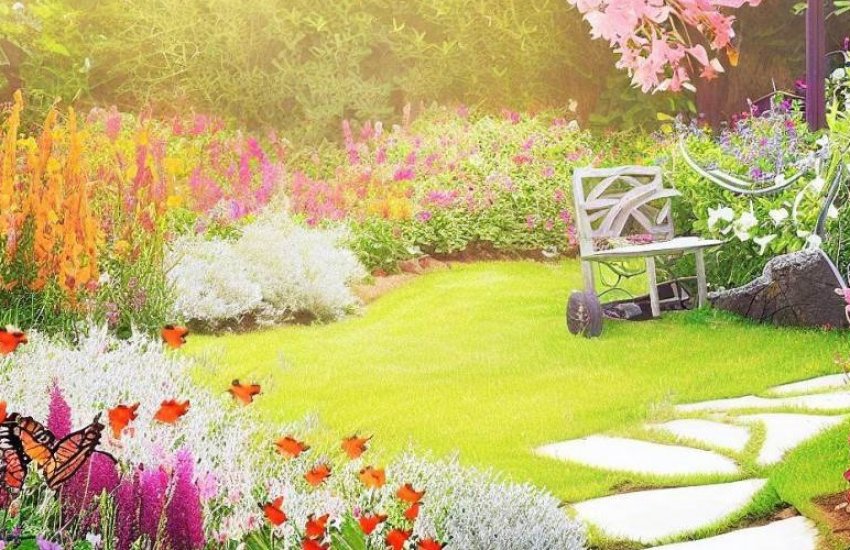
Gardening is more than just planting seeds—it's a rewarding journey filled with growth, learning, and the joy of nurturing life. In our Gardening category at GardenBotany.com, you'll discover practical tips, step-by-step guides, and expert advice to help you cultivate thriving plants, whether you're growing vibrant flowers, delicious vegetables, or lush greenery. From understanding plant care basics to mastering advanced gardening techniques, we simplify the process so you can confidently create and maintain a beautiful, healthy garden, season after season.
Recent Posts of Gardening - Gardening Ideas
-

How to Create a Nighttime Garden with Fragrant Plants?
To create a nighttime garden with fragrant plants, focus on selecting flowers that release their strongest scents in the evening, often white or pale-colored to stand out in low light. Strategically place these aromatic plants near seating areas or pathways to maximize their sensory impact as dusk settles.
-
Best Tips for Starting a Winter Vegetable Garden
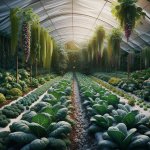
Starting a winter vegetable garden successfully requires strategic planning, focusing on cool-season crops, and providing adequate protection from cold temperatures. Key steps involve calculating fall planting dates, enriching soil, and utilizing season extension techniques to enjoy fresh produce even in colder months.
-
How to Create a Children’s Sensory Garden?
Creating a children's sensory garden involves intentionally designing a space that engages all five senses through carefully chosen plants, textures, sounds, and interactive elements. It's a wonderful way to foster curiosity, encourage exploration, and provide a rich learning environment for children of all ages and abilities.
-
Advertisement
-
How to Grow Roses in Sandy Soil?
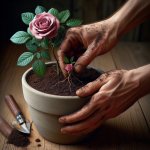
To grow roses in sandy soil successfully, the most crucial step is to significantly enrich the soil with ample organic matter to improve its water and nutrient retention capabilities. While sandy soil offers excellent drainage, it struggles to hold onto moisture and nutrients that roses require for vigorous growth and abundant blooms, making consistent amendment vital.
-
How to Make Natural Fertilizers with Household Items?
You can make natural fertilizers with household items by repurposing common organic waste like coffee grounds, banana peels, eggshells, and even leftover cooking water. These everyday scraps, when properly prepared, provide essential nutrients that promote healthy plant growth and enrich your garden soil.
-
How to Use Coffee Grounds in Your Garden?
To use coffee grounds in your garden, primarily add them to your compost pile or sparingly as a soil amendment for acid-loving plants. They offer valuable organic matter and a slow release of nitrogen, improving soil structure and supporting microbial life when applied correctly.
-
How to Grow Microgreens at Home in Small Spaces?
Growing microgreens at home is a fantastic way to add fresh, nutrient-rich greens to your diet without needing much space. Microgreens are young plants harvested early, just after the first true leaves appear, and they’re packed with flavor and nutrients. These miniature greens are easy to grow, making them perfect for apartments, balconies, or even small countertops.
-
Creating a Sensory Garden for Seniors: Ideas and Inspiration
Creating a sensory garden for seniors involves designing a safe, accessible outdoor space that stimulates all five senses, promoting engagement, relaxation, and cognitive well-being. Focus on incorporating fragrant plants, textured surfaces, gentle sounds, vibrant colors, and edible elements, all within an easily navigable layout.
-
Propagate Roses from Cuttings: A Beginner’s Guide
To propagate roses from cuttings, choose healthy, non-flowering stems from the current season's growth, prepare them properly by removing lower leaves and creating a fresh cut, then place them in a suitable rooting medium under high humidity conditions. Patience and consistent moisture are key for successful rooting.
-
Best Vegetables for Beginner Gardeners
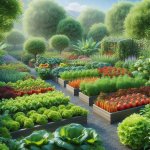
For beginner gardeners, the best vegetables are those that are relatively easy to grow, tolerant of common mistakes, and offer a quick and rewarding harvest. Focusing on resilient, low-maintenance options helps build confidence and provides a successful introduction to gardening.