Houseplants Gardening Tips and Plant Care
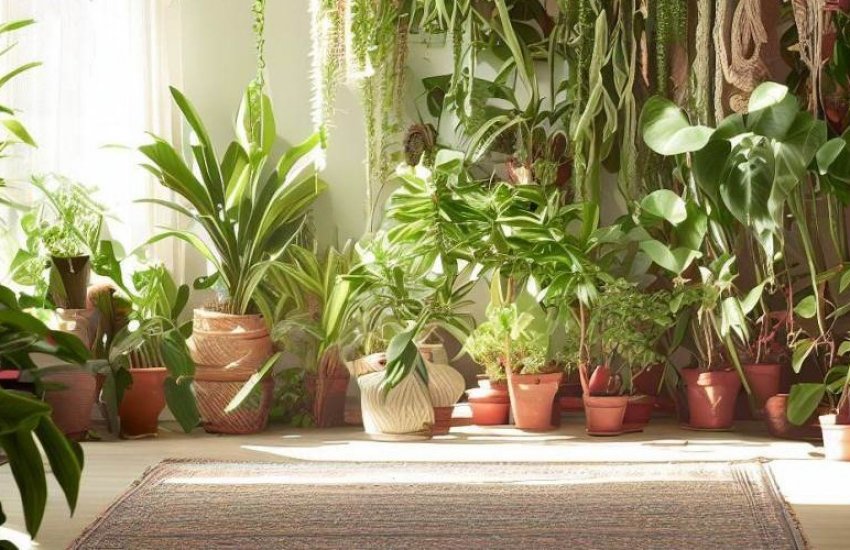
Houseplants bring life, beauty, and fresh air into your home, creating vibrant spaces that uplift your mood and enhance your decor. In our Houseplants category at GardenBotany.com, you'll find easy-to-follow guides and practical tips for choosing, growing, and caring for indoor plants, whether you're a first-time plant parent or a seasoned indoor gardener. Discover the best plants for your space, troubleshoot common issues like pests or watering problems, and learn proven techniques to keep your houseplants thriving, healthy, and beautiful all year round.
Recent Posts of Houseplants - Gardening Ideas
-

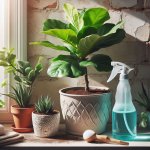
Best Fertilizer for Fiddle Leaf Figs in Pots
Bringing the vibrant, broad leaves of a fiddle leaf fig into your home instantly elevates any space with a touch of botanical drama. These stunning houseplants, with their impressive height and lush foliage, have become incredibly popular, but they also have a reputation for being a bit particular. One of the keys to keeping your fiddle leaf fig happy, healthy, and growing is providing it with the right nutrients. If you've been wondering about the best fertilizer for fiddle leaf figs in pots, you're in the right place. We'll dive deep into understanding their nutritional needs, deciphering fertilizer labels, and choosing the perfect feeding regimen to ensure your fig thrives and continues to produce those magnificent leaves.
-
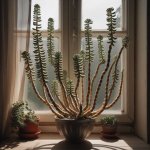
How to Fix Leggy Growth in Succulent Plants?
Observing a once compact and vibrant succulent begin to stretch, its leaves growing sparse and widely spaced along an elongated stem, is a common frustration for many plant enthusiasts. This phenomenon, known as etiolation, signals that your plant isn't receiving enough light. Fortunately, learning how to fix leggy growth in succulent plants involves both corrective measures and preventative strategies to restore their appealing, tight form and rich coloration. This comprehensive guide will delve into identifying the root cause of stretching, practical steps to reshape your succulents, and essential care adjustments to ensure your collection remains healthy, beautiful, and compact.
-
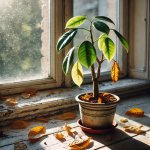
Why Is My Money Tree Dropping Leaves?
Observing your Money Tree (Pachira aquatica) shedding its leaves can be a concerning sight, immediately prompting the question: Why is my Money Tree dropping leaves? While these attractive houseplants are generally resilient, leaf drop is a common distress signal indicating that something in their environment or care routine isn't quite right. Understanding the various potential causes, from watering inconsistencies to light fluctuations, is the first step in diagnosing the problem and restoring your Money Tree to its lush, vibrant health.
-
Advertisement
-
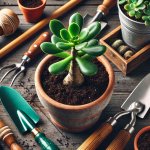
How to Grow a Jade Plant from Cuttings?
Propagating new plants from existing ones is one of the most rewarding aspects of gardening, and learning how to grow a jade plant from cuttings is an excellent way to expand your succulent collection or share these beautiful, low-maintenance plants with friends. Jade plants, scientifically known as Crassula ovata, are incredibly resilient and take root easily, making them perfect for beginners eager to try their hand at propagation. This guide will walk you through every step, from selecting the right cutting to nurturing your new jade plant into a thriving specimen.
-
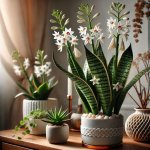
How to Get Your Snake Plant to Flower Indoors?
Getting your snake plant to flower indoors is a rare but rewarding event, typically triggered by specific environmental stressors rather than perfect conditions. The key often lies in allowing the plant to become root-bound and mature, while consistently providing bright light and minimal, consistent watering.
-
Best Plants for a Humid Bathroom Environment
The best plants for a humid bathroom environment are typically tropical and subtropical species that naturally thrive in consistently moist air, mimicking their native rainforest habitats. Excellent choices include ferns, most aroids (like Pothos and Philodendrons), Orchids, and many Calatheas, provided their specific light needs are met.
-
How to Save an Overwatered ZZ Plant?
To save an overwatered ZZ plant, you must act quickly by removing it from its soggy pot, inspecting the rhizomes and roots for rot, and repotting it into fresh, dry, well-draining soil. This immediate action is crucial to prevent further damage and allow the plant to recover.
-
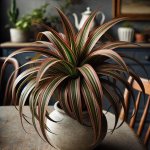
What Causes Brown Tips on Spider Plants?
If you're noticing that the vibrant green leaves of your beloved spider plant are developing unsightly brown tips, you're not alone. This is one of the most common issues spider plant owners face, and it's usually a clear sign that something in their environment or care routine needs a tweak. Understanding what causes brown tips on spider plants is the first step to bringing your plant back to full health and enjoying its lush foliage once again.
-
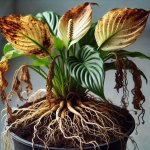
How to Identify Root Rot in Peace Lily Plants?
To identify root rot in Peace Lily plants, look for symptoms like persistent wilting despite watering, yellowing leaves that may turn brown or black, and a mushy stem base. The definitive diagnosis comes from unpotting the plant and inspecting the roots, which will appear soft, dark, and often smell foul, in contrast to healthy, firm white roots.
-
How to Clean the Leaves of Indoor Plants Safely?
To clean the leaves of indoor plants safely, regularly wipe them with a soft, damp cloth using plain water, or give smaller plants a gentle shower. This removes dust and allows your plants to breathe and photosynthesize effectively, promoting overall health.