Houseplants Gardening Tips and Plant Care
Houseplants bring life, beauty, and fresh air into your home, creating vibrant spaces that uplift your mood and enhance your decor. In our Houseplants category at GardenBotany.com, you'll find easy-to-follow guides and practical tips for choosing, growing, and caring for indoor plants, whether you're a first-time plant parent or a seasoned indoor gardener. Discover the best plants for your space, troubleshoot common issues like pests or watering problems, and learn proven techniques to keep your houseplants thriving, healthy, and beautiful all year round.
Recent Posts of Houseplants - Gardening Ideas
-

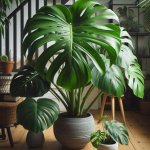
How Can I Fix Yellowing Leaves on My Monstera Deliciosa?
To fix yellowing leaves on your Monstera Deliciosa, you must first identify the underlying cause, which is most often overwatering. Other common culprits include underwatering, nutrient deficiencies, insufficient light, pests, or temperature stress, all of which require specific adjustments to the plant's care routine.
-
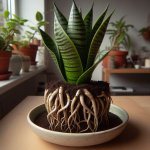
How Can I Tell If My Snake Plant Has Root Rot?
The snake plant (Sansevieria trifasciata), also known as Mother-in-Law's Tongue, is celebrated as one of the most resilient and low-maintenance houseplants available. Its striking, architectural foliage can tolerate a wide range of conditions, making it a favorite for beginners and seasoned plant enthusiasts alike. However, despite its hardiness, there's one common enemy that can quickly lead to its demise: root rot. This stealthy killer is almost always a result of overwatering. Learning how can I tell if my snake plant has root rot is the most crucial skill for keeping this robust plant healthy and vibrant.
-
What Causes Brown Spots on the New Leaves of My Hoya Plant?
If you observe brown spots on the new leaves of your Hoya plant, it often indicates an environmental stressor or watering issue rather than a dire disease. Most commonly, it's a sign of inconsistent watering, too much direct sun, low humidity, or fungal spotting exacerbated by stagnant air or moisture, all of which can be addressed with simple care adjustments.
-
Advertisement
-
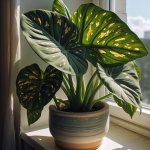
Why Are My Alocasia Leaves Turning Yellow and Dropping Off?
If your Alocasia leaves are turning yellow and dropping off, the most common culprits are issues with watering (either overwatering or underwatering), insufficient humidity, or a natural shedding process. Alocasias are sensitive tropical plants, so consistent environmental conditions are crucial to their health.
-
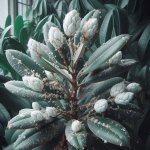
How to Treat Mealybugs on My Indoor Rubber Plant?
To treat mealybugs on your indoor Rubber Plant, begin by immediately isolating the affected plant and physically removing as many visible pests as possible using rubbing alcohol on cotton swabs. Follow up with thorough applications of insecticidal soap or neem oil to eliminate hidden pests and their nymphs, repeating treatments consistently until the infestation is gone.
-
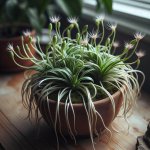
Why Are My Spider Plant Babies Growing Slowly?
Your spider plant babies are growing slowly likely due to insufficient light, improper watering, or nutrient deficiencies, which are common issues when propagating or establishing new plantlets. Ensuring optimal environmental conditions and proper care is key to encouraging faster, healthier growth.
-
How Can I Prevent My ZZ Plant from Developing Yellow Leaves in Winter?
To prevent your ZZ plant from developing yellow leaves in winter, the most critical step is to drastically reduce your watering frequency, allowing the soil to dry out completely between waterings. Yellowing in winter is almost always a sign of overwatering due to the plant's reduced metabolic activity in lower light and cooler temperatures.
-
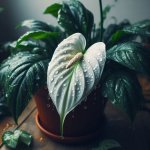
What Causes My Peace Lily Leaves to Droop After Watering?
Peace Lilies are known for their lush green leaves and beautiful white blooms, making them a favorite choice for indoor plants. However, a common concern among Peace Lily owners is drooping leaves that sometimes occur even after watering. Drooping leaves can be confusing and may indicate various issues affecting the plant’s health. Understanding the reasons behind the drooping and how to address them can help keep your Peace Lily thriving.
-
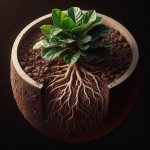
How to Treat Root Bound Symptoms in My Fiddle Leaf Fig?
The Fiddle Leaf Fig, with its beautiful, large leaves and striking height, is a favorite among houseplant enthusiasts. However, as it grows, it often becomes root bound. When a plant is root bound, its roots have grown too large for the pot, becoming tangled and cramped, limiting the plant’s ability to absorb nutrients and water. Recognizing the symptoms and addressing them promptly can ensure your Fiddle Leaf Fig stays healthy and vibrant.
-
Why Are My Pilea Leaves Turning Brown on the Edges?
The Pilea plant, often referred to as the Chinese Money Plant, is loved for its unique, round leaves and easy-care nature. However, like many indoor plants, Pilea can sometimes show signs of stress. One common issue plant owners face is Pilea leaves turning brown on the edges. Brown-edged leaves can be caused by several factors, from improper watering to pests. Understanding the underlying cause helps you treat the plant effectively and restore its health.