Houseplants Gardening Tips and Plant Care
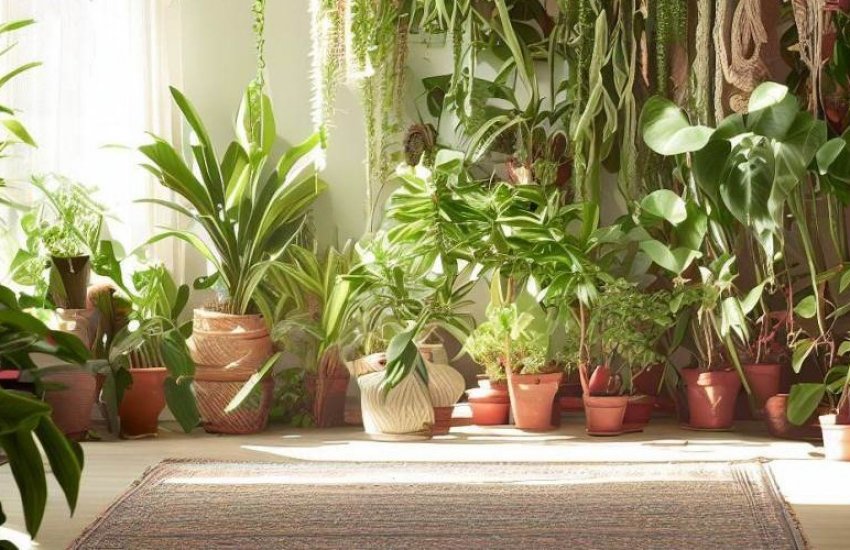
Houseplants bring life, beauty, and fresh air into your home, creating vibrant spaces that uplift your mood and enhance your decor. In our Houseplants category at GardenBotany.com, you'll find easy-to-follow guides and practical tips for choosing, growing, and caring for indoor plants, whether you're a first-time plant parent or a seasoned indoor gardener. Discover the best plants for your space, troubleshoot common issues like pests or watering problems, and learn proven techniques to keep your houseplants thriving, healthy, and beautiful all year round.
Recent Posts of Houseplants - Gardening Ideas
-

What Are the Best Practices for Growing a Philodendron Pink Princess Indoors?
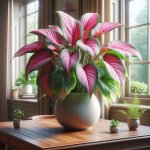
Few houseplants capture the imagination quite like the Philodendron Pink Princess. With its deep green, almost black, heart-shaped leaves splashed with vibrant, bubblegum pink variegation, it's a living work of art. This striking contrast makes it a highly sought-after plant among collectors and beginners alike, transforming any indoor space into a tropical haven with a touch of daring color.
-
How Do I Care for a Rubber Tree (Ficus elastica) to Prevent Leaf Drop?
The rubber tree (Ficus elastica) is a truly stunning houseplant. With its large, glossy leaves – often a deep green, rich burgundy, or variegated with pink and cream – it brings a touch of tropical elegance to any home. It can grow quite tall, even reaching tree-like proportions indoors, making it a dramatic statement plant. However, many rubber tree owners eventually face a common and worrying problem: leaf drop. Seeing those beautiful leaves turn yellow and fall off can be disheartening. The good news is, rubber tree leaf drop is almost always a sign that your plant needs a little adjustment in its care. Let's learn how to understand what your Ficus elastica is telling you and keep its foliage full and vibrant.
-
How Do I Manage Watering for a Sensitive Croton Plant (Codiaeum variegatum)?
The Croton plant (Codiaeum variegatum) is truly a living work of art, celebrated for its stunning, vibrant foliage that bursts with shades of red, orange, yellow, and green. Each leaf is a unique canvas, displaying bold patterns and dramatic color shifts that can instantly brighten any indoor space. However, beneath this dazzling exterior lies a plant with a reputation for being quite particular, especially when it comes to its watering needs. Crotons are known for being sensitive, often dropping their lower leaves or losing their brilliant coloration if their environmental conditions aren't just right. Mastering the art of watering is perhaps the most critical step in keeping your Croton happy and healthy. This guide will explore the nuances of hydrating your Croton, helping you understand its signals and establish a routine that keeps its colorful leaves shining brightly.
-
Advertisement
-
What Care Tips Can I Use for a Lipstick Plant to Promote Blooms?
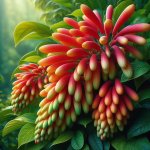
You've probably been captivated by the vibrant beauty of a Lipstick Plant (Aeschynanthus radicans). Its glossy, deep green leaves cascade gracefully from a hanging basket, and then, like a magical reveal, bright red-orange tubular flowers emerge from dark, lipstick-like calyces. This striking contrast is what gives the plant its memorable name and makes it a beloved addition to any indoor plant collection.
-
How Do I Provide the Right Temperature for a Bird’s Nest Fern (Asplenium nidus)?
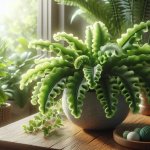
The Bird's Nest Fern (Asplenium nidus) is a truly captivating houseplant, beloved for its striking, bright green, ripple-edged fronds that grow in a circular pattern, resembling a bird's nest. This unique growth habit makes it a beautiful focal point in any room, adding a touch of tropical elegance. Unlike many other ferns, it doesn't have the delicate, lacy foliage, making it a distinctive choice for indoor plant enthusiasts. While it's generally considered easier to care for than some other fern varieties, understanding its specific environmental needs is crucial for its long-term health and vibrant appearance.
-
What Specific Soil Mix Is Ideal for a Monstera Adansonii?
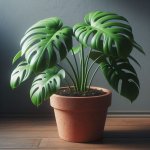
The Monstera Adansonii, often called the Swiss Cheese Plant because of its unique holes (fenestrations) in the leaves, is a popular choice for indoor plant lovers. Its beautiful, vining nature and striking foliage make it a real showstopper. But to keep your Monstera Adansonii happy and healthy, one of the most important things you need to get right is its soil mix. It's not just any old potting soil that will do. Understanding the specific needs of this plant’s roots is key to its success.
-
How Do I Care for a Laceleaf (Anthurium andraeanum) to Encourage Flowering?
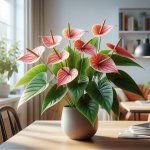
The Laceleaf, also known as Anthurium andraeanum or the Flamingo Flower, is a stunning houseplant prized for its glossy, heart-shaped leaves and vibrant, long-lasting blooms. Those shiny, waxy "flowers" are actually modified leaves called spathes, which surround a slender, stick-like structure called a spadix. They come in brilliant reds, pinks, whites, and even greens, adding a touch of tropical elegance to any indoor space. Many people buy a beautiful Anthurium and find its blooms eventually fade, and new ones never appear. Don't worry! With the right care, you can absolutely encourage flowering and keep your Laceleaf a perpetual showstopper.
-
How Do I Maintain the Vibrant Color of My Red Aglaonema?
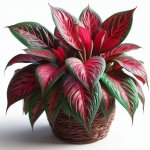
You've been captivated by the dazzling display of your Red Aglaonema (Aglaonema spp., particularly cultivars like 'Siam Aurora', 'Red Zircon', 'Sparkling Sarah'). Its fiery red, vibrant pink, or rich burgundy hues splashed across dark green leaves make it a living work of art, a true statement piece that adds unparalleled color to any indoor space. But sometimes, those brilliant colors seem to fade, becoming duller, or more green than red, leaving you wondering, "How do I maintain the vibrant color of my Red Aglaonema?"
-
What Is the Best Humidity Level for a Philodendron Birkin to Thrive?
You've probably been captivated by the elegant beauty of a Philodendron Birkin. Its deep green, glossy leaves, striking white pinstripes, and compact, upright growth habit make it a true showstopper in any indoor plant collection. It looks like a living piece of art, constantly unfurling new leaves with ever more intricate variegation.
-
How Can I Care for a Japanese Money Tree (Pachira aquatica) Indoors?
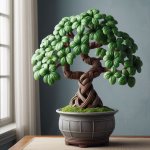
The Japanese Money Tree, also widely known as Pachira aquatica or Guiana Chestnut, is a popular houseplant beloved for its distinctive braided trunk and lush, green leaves. Beyond its striking appearance, it's also famous for its association with good luck and prosperity in Feng Shui. Many people welcome this plant into their homes, but giving it the right care can sometimes be a puzzle. Don't worry! With a few simple tips, you can keep your Money Tree thriving and looking its best indoors.