Plant Problems Gardening Tips and Plant Care
Even the healthiest gardens sometimes face challenges—but identifying and solving plant problems quickly can save your greenery and keep your garden thriving. In our Plant Problems category at GardenBotany.com, we help you recognize common issues like pests, diseases, nutrient deficiencies, and environmental stress, offering clear, practical advice to get your plants back on track. From spotting early symptoms to implementing effective treatments, our guides simplify troubleshooting so you can maintain a lush, healthy garden, indoors and out.
Recent Posts of Plant Problems - Gardening Ideas
-

How to Treat Powdery Mildew on Plants Naturally?
Learning how to treat powdery mildew on plants naturally is a common and essential skill for any gardener, as this pervasive fungal disease can quickly diminish the beauty and vigor of a wide range of plants. Characterized by a distinctive white, powdery coating on leaves and stems, powdery mildew thrives in specific environmental conditions. Fortunately, several effective and eco-friendly approaches can help you combat this unwelcome visitor without resorting to harsh chemicals, safeguarding your garden's health naturally.
-
What Causes Black Spots on Rose Leaves?
Observing unsightly black spots on rose leaves can be disheartening for any gardener, quickly diminishing the beauty of these beloved blooms. This common issue often signals a fungal infection, specifically black spot disease, which can weaken the plant and reduce its vigor. Understanding precisely what causes black spots on rose leaves is the crucial first step toward effective management and prevention, ensuring your roses remain healthy and vibrant throughout the growing season.
-
How to Identify Common Pests in Vegetable Gardens?
A thriving vegetable garden is a source of immense satisfaction, but few things are as disheartening as discovering unwelcome guests munching on your prized produce. Learning how to identify common pests in vegetable gardens is the first, most crucial step in protecting your plants and ensuring a bountiful harvest. Early detection allows for swift, often organic, intervention, preventing minor issues from escalating into major infestations that can decimate your crops.
-
Advertisement
-
How to Attract Bats to Your Garden for Natural Pest Control?
To attract bats to your garden for natural pest control, you should provide suitable roosting sites like bat houses, ensure a consistent water source, minimize outdoor lighting, and plant night-blooming or fragrant flowers to attract the insects bats feed on. Creating a bat-friendly habitat encourages these nocturnal predators to patrol your garden.
-
Tips for Reviving a Lawn Damaged by Salt and Deicers
Winter often leaves lawns looking worse for wear, especially in areas where salt and deicers are used to clear ice and snow. While these products make walkways safer, they can cause significant damage to grass. Salt draws moisture out of grass blades, leading to brown patches, dead spots, and compacted soil. But don’t worry—reviving a salt-damaged lawn is possible with the right approach and a bit of patience. Here are some effective strategies to help your lawn bounce back and regain its green, healthy look.
-
Preventing Greenhouse Fungus: Best Practices
Preventing greenhouse fungus primarily involves controlling humidity, ensuring good air circulation, and maintaining excellent sanitation practices within the enclosed environment. Fungi thrive in warm, moist, still air, so disrupting these conditions is your best defense against common greenhouse diseases.
-
How to Prevent Powdery Mildew on Plants Naturally?
Powdery mildew is a common fungal disease that affects a wide range of plants, from vegetables and fruits to flowers and ornamental shrubs. This mildew appears as a white, powdery coating on leaves, stems, and sometimes even fruit, impairing the plant's ability to photosynthesize and leading to reduced growth and yield. Preventing powdery mildew is crucial for maintaining healthy, vibrant plants in your garden. Here’s a comprehensive guide on natural ways to keep powdery mildew at bay.
-
How to Control Slugs Organically in Your Garden?
To control slugs organically in your garden, focus on creating an environment that discourages them while encouraging their natural predators. This involves a combination of cultural practices, physical barriers, traps, and natural repellents to protect your plants without harmful chemicals.
-
How to Identify and Treat Root Rot in Plants?
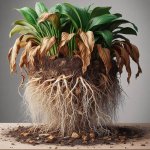
Root rot is a common and often fatal plant disease caused by overwatering or poorly draining soil, leading to the decay of a plant's root system. Identifying it involves checking for specific visual cues above and below ground, while effective treatment primarily focuses on immediate remediation of soil conditions and careful root pruning.
-
How to Attract Frogs to Your Garden for Pest Control?
Welcoming frogs into your garden is a wonderful, natural way to manage pests. Frogs are insect-loving creatures that feast on various garden pests like mosquitoes, slugs, beetles, and moths, helping to keep your garden healthy without using chemicals. Plus, these fascinating little creatures bring a unique charm and lively atmosphere to your outdoor space.