Plant Problems Gardening Tips and Plant Care
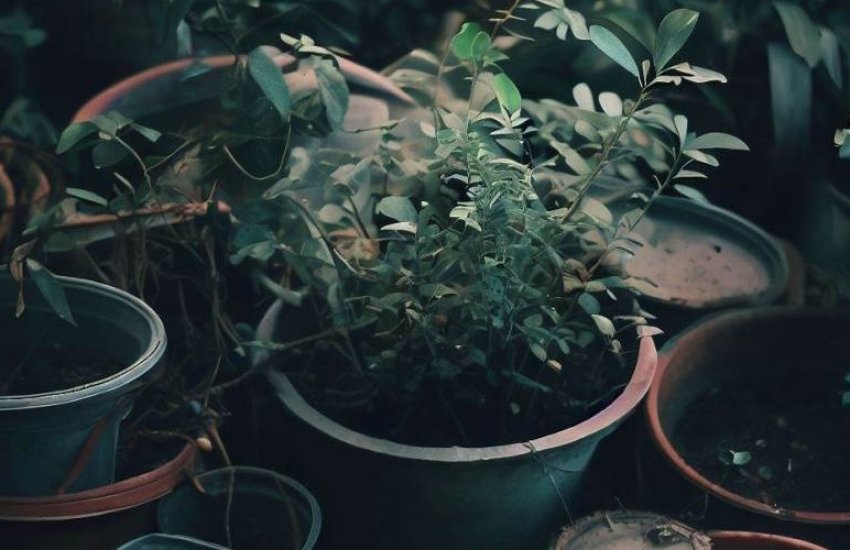
Even the healthiest gardens sometimes face challenges—but identifying and solving plant problems quickly can save your greenery and keep your garden thriving. In our Plant Problems category at GardenBotany.com, we help you recognize common issues like pests, diseases, nutrient deficiencies, and environmental stress, offering clear, practical advice to get your plants back on track. From spotting early symptoms to implementing effective treatments, our guides simplify troubleshooting so you can maintain a lush, healthy garden, indoors and out.
Recent Posts of Plant Problems - Gardening Ideas
-

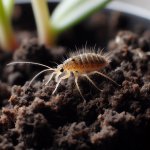
How to Treat Fungus Gnats in Houseplant Soil?
Fungus gnats are a common nuisance for houseplant owners, those tiny, dark flies buzzing around your pots or crawling on the soil surface. If you're constantly swatting away these annoying insects and asking, "How to treat fungus gnats in houseplant soil?" you're in the right place. While mostly harmless to mature plants, a severe infestation can damage seedlings and be incredibly annoying. The good news is that tackling these pests is entirely manageable with a multi-pronged approach that targets both the adult flies and their larvae.
-
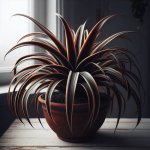
What Causes Brown Tips on Spider Plant Leaves?
Spider plants are beloved houseplants, cherished for their easy-care nature, air-purifying qualities, and charming "spiderettes" that trail gracefully. However, even these resilient plants can display distress, often signaling a problem with their environment. If you're observing discoloration and wondering what causes brown tips on spider plant leaves, it's a very common issue, almost always related to water quality, humidity, or mineral buildup. Understanding these factors is the key to restoring your spider plant's vibrant green foliage.
-
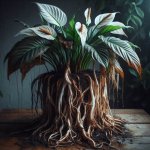
How to Identify Root Rot in Peace Lilies?
Understanding how to identify root rot in Peace Lilies is crucial for maintaining the health of these popular houseplants. Peace Lilies are known for their dramatic wilting when thirsty, but persistent wilting despite watering, often accompanied by yellowing leaves, can be a tell-tale sign of this serious condition. Recognizing the subtle and obvious indicators allows you to intervene promptly and potentially save your beloved plant from irreparable damage caused by overly wet conditions.
-
Advertisement
-
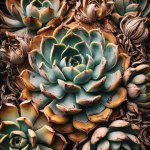
Why Are My Succulents Dying from the Bottom Up?
Witnessing your beloved succulent decline can be disheartening, especially when the issue progresses from the base upwards. Understanding why your succulents are dying from the bottom up is crucial for diagnosing and rectifying the problem, safeguarding the rest of your plant collection. This specific pattern of deterioration usually points to distinct issues related to moisture, light, or root health, signaling a need for immediate intervention to prevent total plant loss. This guide will explore the common culprits behind this peculiar decline and offer practical solutions for successful recovery.
-
How to Get Rid of Spider Mites on Indoor Plants?
Learning how to get rid of spider mites on indoor plants is a crucial skill for any plant enthusiast, as these tiny pests can quickly devastate your beloved green companions. Spider mites are common adversaries, thriving in dry conditions and multiplying rapidly, making early detection and consistent treatment vital for saving your houseplants. Understanding their behavior and applying the right methods will ensure your plants remain healthy and vibrant.
-
What Causes Yellow Leaves on My Pothos Plant?
Discovering what causes yellow leaves on my Pothos plant is a common concern for houseplant enthusiasts, as this popular, easy-care vine occasionally signals distress through its foliage. While a few yellow leaves can be a normal part of its life cycle, widespread discoloration often indicates an underlying issue with its environment or care. Understanding these potential causes helps diagnose the problem and implement effective solutions to restore your plant's vibrant green.
-
How to Save an Overwatered Monstera Plant?
Seeing your usually vibrant Monstera plant begin to droop, yellow, or show other signs of distress can be a cause for concern, and more often than not, the culprit is too much kindness in the form of overwatering. Learning how to save an overwatered Monstera plant is a critical skill for any houseplant enthusiast, as these popular aroids are particularly sensitive to soggy soil conditions. Fortunately, with prompt action and the right steps, you can often bring your beloved plant back from the brink, restoring its lush foliage and iconic splits. It involves a careful process of assessment, root rehabilitation, and adjusting your future care routine to prevent a relapse.
-
Why Is My Lawn Turning Brown in Summer?
Discovering that your once-vibrant green lawn has started to develop unsightly brown patches or is entirely turning brown in summer can be incredibly frustrating for any homeowner. This common warm-weather phenomenon often signals that your lawn is under stress, and identifying the exact cause is crucial for effective treatment and recovery. From drought and improper watering to pests, diseases, and even pet waste, understanding why is my lawn turning brown in summer will help you diagnose the issue and implement the right solutions to bring back its lush, green appearance.
-
How to Fix Overwatered Potted Plants?
Discovering your beloved potted plants displaying signs of distress can be disheartening, and often, the culprit is inadvertently providing too much hydration. Learning how to fix overwatered potted plants is a fundamental skill for any indoor gardener, enabling you to revive struggling greenery and establish healthier watering habits. Recognizing the symptoms early and taking swift, appropriate action can often reverse the damage and set your plants back on a path to flourishing.
-
Why Are My Tomatoes Cracking on the Vine?
Discovering ripe, juicy tomatoes split open can be disheartening for any gardener, prompting the common query, "Why are my tomatoes cracking on the vine?" This frustrating phenomenon, known as tomato cracking or splitting, is a physiological disorder primarily caused by fluctuations in moisture and temperature, leading to rapid changes in fruit expansion. Understanding the underlying environmental triggers and implementing consistent care practices can significantly reduce the occurrence of these unsightly splits, ensuring a more abundant harvest of perfect, unblemished fruit.