Plant Problems Gardening Tips and Plant Care
Even the healthiest gardens sometimes face challenges—but identifying and solving plant problems quickly can save your greenery and keep your garden thriving. In our Plant Problems category at GardenBotany.com, we help you recognize common issues like pests, diseases, nutrient deficiencies, and environmental stress, offering clear, practical advice to get your plants back on track. From spotting early symptoms to implementing effective treatments, our guides simplify troubleshooting so you can maintain a lush, healthy garden, indoors and out.
Recent Posts of Plant Problems - Gardening Ideas
-

Best Ways to Prevent Mold in Indoor Plants
The best ways to prevent mold in indoor plants focus on controlling moisture levels, improving air circulation, and using appropriate potting practices. By managing these key environmental factors, you can significantly reduce the risk of mold growth on your plants and in their soil.
-
Organic Solutions for Getting Rid of Aphids
You can effectively get rid of aphids using organic solutions by combining diligent monitoring, mechanical removal, and natural pest control methods that target aphids without harming your plants or beneficial insects. Addressing an aphid infestation organically focuses on creating a balanced garden ecosystem.
-
How to Use Mulch for Weed Control Effectively?
Controlling weeds in the garden can feel like an endless task, especially if you’re tackling it without a clear plan. Luckily, mulch is a reliable ally that helps prevent weeds, nourishes soil, and even conserves moisture. In this guide, we’ll explore everything you need to know about how to use mulch effectively for weed control. From understanding the types of mulch to learning the best application methods, this article will equip you with practical knowledge to keep those pesky weeds at bay.
-
Advertisement
-
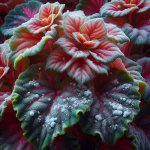
What Should I Do If My Begonia Rex Has Powdery Mildew?
If your Begonia Rex has powdery mildew, immediately isolate the affected plant to prevent the fungal disease from spreading to other houseplants. Begin treatment by gently wiping visible mildew from leaves with a damp cloth, then apply a natural or chemical fungicide designed for ornamental plants.
-
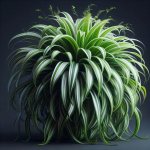
How Do I Fix Brown, Dry Patches on My Spider Plant's Leaves?
To fix brown, dry patches on your spider plant's leaves, you need to identify and correct underlying environmental or care issues. The most common causes are related to water quality, humidity, light, or fertilizer, all of which stress the plant and manifest as crispy brown tips or spots.
-
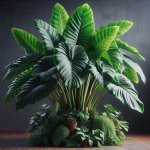
Why Is My Alocasia Dropping Healthy-Looking Leaves?
If your Alocasia is dropping healthy-looking leaves, it's most commonly a sign of stress related to either inconsistent watering, sudden environmental changes, or its natural dormancy cycle. While Alocasias prefer stable conditions, they are sensitive plants that can react to even subtle shifts in light, humidity, or temperature by sacrificing older foliage to support new growth.
-
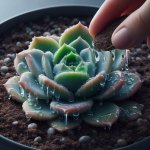
How Can I Revive a Succulent with Translucent, Waterlogged Leaves?
To revive a succulent with translucent, waterlogged leaves, you must immediately remove it from its wet soil, inspect for rot, prune affected parts, and allow it to dry thoroughly before repotting into fresh, well-draining succulent-specific soil. This issue, often indicative of overwatering, requires swift action to prevent further damage.
-
Why Are My Philodendron's New Leaves Coming Out Small and Deformed?
If your philodendron's new leaves are coming out small and deformed, it's a clear sign your plant is experiencing stress, most commonly due to inadequate humidity, insufficient light, or nutrient deficiencies. Other factors like pest infestations or watering issues can also contribute to distorted new growth.
-
What Causes Black Spots on My Orchid's Leaves, and How Can I Treat Them?
Black spots on your orchid's leaves are often a symptom of fungal or bacterial infections, though they can also indicate environmental stress such as cold damage or sunburn. To treat them, it's crucial to first accurately diagnose the cause, then remove affected tissue, improve air circulation, adjust watering, and in some cases, apply appropriate fungicides or bactericides.
-
Why Are My Calathea's Leaves Curling Up and Turning Crispy at the Edges?
Calathea leaves curling up and turning crispy at the edges are typically a distress signal indicating a problem with the plant's environment, most commonly low humidity, improper watering, or poor water quality. Addressing these factors is key to restoring your Calathea's lush appearance.