Gardening Doesn't Have to Be Complicated if You Know What You're Doing

With just a bit of practical knowledge and the right tools, anyone can create a lush, vibrant garden space. Whether you're tending to houseplants, nurturing a vegetable patch, or crafting a backyard oasis, understanding a few fundamental tips can simplify the entire process. At GardenBotany.com, we're here to guide you every step of the way, making gardening enjoyable, stress-free, and accessible for everyone, from complete beginners to seasoned gardeners looking to perfect their green thumbs.
Latest Gardening Posts and Plant Care Tips
-

The Step-by-Step Guide to Fixing Waterlogged Lawns
A lush, green lawn is a homeowner's pride, but nothing can dampen that pride faster than seeing standing water and soggy patches after a rainfall. Learning how to fix waterlogged lawns is crucial for maintaining turf health and preventing widespread damage. Excess moisture suffocates grass roots, encourages disease, and invites pests, turning a beautiful expanse into a muddy, unhealthy mess. This comprehensive, step-by-step guide will help you diagnose the causes of poor drainage and implement effective solutions to restore your lawn to its vibrant, healthy best.
-
How to Manage Alkaline Soil in Lawns and Lower pH?
A lush, vibrant green lawn is the dream of many homeowners, but sometimes, despite your best efforts, your grass just doesn't look its best. One hidden culprit could be alkaline soil. When your lawn's soil pH is too high, essential nutrients become locked up, making them unavailable to your grass. Understanding how to manage alkaline soil in lawns and lower pH is crucial for unlocking your turf's full potential and achieving that enviable green carpet.
-
The Best Treatments for Lawn Brown Ring Patch
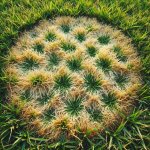
Discovering an unsightly circular pattern of dead or dying grass in your beautiful lawn can be alarming. This frustrating phenomenon is often referred to as Brown Ring Patch, a common lawn disease that affects many homeowners. Understanding the specific conditions that cause this fungal issue and knowing the best treatments for lawn brown ring patch are essential steps to restoring your lawn's health and vibrant green color. This guide will provide you with a comprehensive approach, from identification to prevention, ensuring your lawn stays pristine.
-
Advertisement
-
What to Do When Your Lawn Shows Signs of Iron Deficiency?
When your lawn loses its vibrant green hue and starts looking pale or yellow, it might be showing signs of iron deficiency. While not as commonly discussed as nitrogen, iron is a crucial micronutrient for healthy grass, playing a vital role in chlorophyll production. Understanding the symptoms, causes, and effective solutions for lawn iron deficiency can help you restore your turf's lush, deep green color and overall vitality.
-
How to Treat Fairy Ring Fungus in Lawns?
If you're noticing those tell-tale rings of darker grass, mushrooms, or even dead patches appearing in your lawn, you might be dealing with fairy ring fungus. This common lawn issue, while not directly harmful to the grass itself in most cases, can certainly be an unsightly nuisance. Understanding how to effectively treat fairy ring fungus in your lawn involves identifying the type of fairy ring you have and then applying the appropriate cultural practices or, in some cases, specific treatments to manage and ultimately eliminate it.
-
How to Stop Wild Garlic from Spreading in Your Lawn?
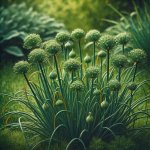
Wild garlic can quickly become an unwelcome guest in your lawn, popping up with its distinctive oniony scent and rapidly multiplying. For many homeowners, figuring out how to stop wild garlic from spreading is a top priority to maintain a pristine and uniform lawn. This persistent perennial weed, often mistaken for wild onion, poses a unique challenge due to its clever reproductive strategies, including tiny bulblets and aerial seeds. Tackling it requires a strategic and often multi-pronged approach, focusing on interrupting its life cycle and weakening its ability to take over your turf.
-
Why Lawn Grass Turns Blue and How to Revive It?
Spotting an unusual blue tint in your lawn can be alarming, especially when you expect a vibrant green. If you're observing this change and asking why lawn grass turns blue and how to revive it, you're witnessing a common indicator of plant stress. This bluish-gray coloration is often the first visible symptom that your turfgrass is struggling to access sufficient water, particularly during periods of heat and drought. Understanding the underlying causes of this color shift is the crucial first step toward implementing effective revival strategies and restoring your lawn to its lush, healthy green.
-
Preventing and Treating Lawn Necrotic Ring Spot Disease
Few lawn diseases are as frustrating and persistent as Necrotic Ring Spot (NRS). This aggressive fungal infection creates distinct, unsightly patterns in turfgrass, often leaving homeowners wondering how to restore their once-pristine green spaces. Successfully preventing and treating lawn Necrotic Ring Spot disease requires a deep understanding of its triggers and a multi-faceted approach. This comprehensive guide will equip you with the knowledge to identify NRS, implement effective cultural practices, and utilize targeted treatments to protect your lawn from this challenging pathogen.
-
How to Maintain Lawn Greenery in Hot, Dry Conditions?
Maintaining a lush, vibrant lawn when the sun is blazing and rain is scarce can feel like an uphill battle. If you're wondering how to maintain lawn greenery in hot, dry conditions, you're facing a common challenge for homeowners in many climates. While some browning during extreme heat is natural, strategic watering, smart mowing, and crucial soil management can significantly help your lawn withstand drought and heat stress, keeping it greener and healthier. This comprehensive guide will equip you with the essential tips and techniques to nurture your turf through even the toughest summer conditions.
-
The Ultimate Guide to Identifying and Removing Wild Onion in Lawns
Wild onion and wild garlic are persistent and common grassy weeds that can quickly take over a lawn, creating unsightly patches and emitting a pungent odor when mowed. Identifying and removing wild onion in lawns effectively requires understanding its unique characteristics and life cycle, as well as applying the right control methods at the optimal time. While they might look like innocent blades of grass, these perennial invaders demand a targeted approach to reclaim your turf.