Gardening Doesn't Have to Be Complicated if You Know What You're Doing

With just a bit of practical knowledge and the right tools, anyone can create a lush, vibrant garden space. Whether you're tending to houseplants, nurturing a vegetable patch, or crafting a backyard oasis, understanding a few fundamental tips can simplify the entire process. At GardenBotany.com, we're here to guide you every step of the way, making gardening enjoyable, stress-free, and accessible for everyone, from complete beginners to seasoned gardeners looking to perfect their green thumbs.
Latest Gardening Posts and Plant Care Tips
-

Why Your Lawn Looks Patchy After Aeration and What to Do?
It can be disheartening to invest time and effort in lawn aeration, only to find your lawn looks patchy after aeration. While aeration is a beneficial practice that opens up the soil to allow air, water, and nutrients to reach grass roots, a temporary patchy appearance is a common, and often normal, side effect. This guide will explain why your lawn looks patchy after aeration, what factors might exacerbate this, and most importantly, what steps you can take to ensure your lawn recovers beautifully and becomes healthier and denser than before. Don't panic; with the right follow-up care, those patches are just a stepping stone to a lusher lawn.
-
How to Stop Clover from Taking Over Your Lawn?
Clover, with its distinctive three-leafed appearance, can quickly become a dominant force in your lawn, outcompeting desirable grass species. If you're wondering how to stop clover from taking over your lawn, rest assured that a combination of cultural practices, targeted treatments, and consistent effort can help you reclaim a uniform, healthy turf. Understanding why clover thrives and implementing strategies to discourage its growth are key to successful control.
-
Dealing with Quackgrass: Effective Lawn Removal Tips
Tackling quackgrass: effective lawn removal tips can be one of the most persistent challenges for any gardener aiming for a pristine, uniform lawn. This aggressive perennial weed, known for its tenacious underground root system, quickly invades and outcompetes desirable turfgrass. Eradicating it requires a strategic and often multi-pronged approach, moving beyond simple surface treatments to address its resilient rhizomes. This comprehensive guide will equip you with the knowledge and practical methods to effectively manage and ultimately eliminate quackgrass, reclaiming your lawn from this unwelcome intruder.
-
Advertisement
-
The Pros and Cons of Mulch vs. Bagging Grass Clippings
When it comes to maintaining a healthy lawn, the decision of what to do with your grass clippings after mowing is more impactful than you might think. It's a fundamental choice that influences everything from soil health and nutrient cycling to your time commitment and environmental footprint. This comprehensive guide delves into the pros and cons of mulch vs. bagging grass clippings, providing clarity on which method best suits your lawn's needs, your personal gardening philosophy, and your desired level of effort. Understanding these differences will help you make an informed decision for a greener, healthier yard.
-
How to Control Burweed in Your Lawn Before It Spreads?
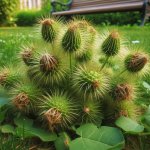
Dealing with burweed in your lawn can quickly turn a barefoot stroll into a painful ordeal, especially when its sharp, spiny burs mature. If you're wondering how to control burweed in your lawn before it spreads, proactive and timely intervention is essential. This persistent winter annual can rapidly colonize bare spots and thin turf, making early identification and strategic treatment key to maintaining a comfortable, attractive lawn.
-
Why Is My Lawn Turning Purple? Causes and Solutions?
Observing your lawn change color, especially to an unusual shade like purple, can be quite alarming for any homeowner. You might be wondering, "Why is my lawn turning purple?" This unexpected hue often signals an underlying issue that needs attention, as healthy grass is typically a vibrant green. Several factors, from nutrient deficiencies to environmental stress or even the presence of certain weeds, can contribute to this color shift. Understanding the specific causes and solutions behind a purple lawn is key to diagnosing the problem and restoring your turf to its lush, green glory.
-
How to Rejuvenate Lawns Damaged by Rodent Activity?
Discovering unsightly tunnels, mounds of dirt, and trails of dead grass across your meticulously maintained green expanse can be incredibly frustrating for any homeowner. Rodent activity in the lawn is a common and persistent problem, with creatures like voles, moles, gophers, and sometimes even squirrels leaving behind a trail of destruction. Beyond the aesthetic damage, their burrowing habits can disrupt root systems, create tripping hazards, and lead to widespread turf loss. But don't despair! While dealing with the pests themselves is crucial, understanding how to rejuvenate lawns damaged by rodent activity is the next vital step to restoring your turf to its former glory. Let's dig into the strategies for assessment, repair, and long-term prevention to reclaim your perfect lawn.
-
Dealing with Alkaline Soil in Lawns and Adjusting pH Levels
Addressing the challenges of alkaline soil in your lawn and effectively modifying its pH levels is fundamental to cultivating a vibrant, healthy green space. When the soil's alkalinity is too high, essential nutrients become locked away, preventing your grass from absorbing what it needs to thrive. Understanding how to accurately test your soil and implement targeted adjustments will pave the way for a lush, resilient turf.
-
Tips for Preventing Lawn Damage from Extreme Temperature Fluctuations
Modern weather patterns often present homeowners with a challenging scenario: sudden, dramatic shifts in temperature that can severely stress and damage lawns. From unexpected late-season freezes to early heatwaves, these extreme temperature fluctuations can leave your green turf looking brown, patchy, or even dead. Fortunately, by implementing proactive care strategies and adjusting your routine, you can significantly reduce the risk of lawn damage from extreme temperature fluctuations, helping your grass weather the unpredictable and stay vibrant year-round.
-
How to Repair Lawns with Erosion from Sloping Landscapes?
A beautiful, lush lawn can be the pride of any homeowner, but sloping landscapes present a unique and frustrating challenge: erosion. When rainwater cascades down a slope, it can wash away precious topsoil, nutrients, and even grass seeds, leaving behind unsightly bare patches, ruts, and an unhealthy turf. Learning how to repair lawns with erosion from sloping landscapes isn't just about aesthetics; it's about protecting your property, promoting healthy growth, and preventing further damage. This comprehensive guide will walk you through the steps to stabilize your sloped lawn and restore its verdant beauty.