Gardening Doesn't Have to Be Complicated if You Know What You're Doing

With just a bit of practical knowledge and the right tools, anyone can create a lush, vibrant garden space. Whether you're tending to houseplants, nurturing a vegetable patch, or crafting a backyard oasis, understanding a few fundamental tips can simplify the entire process. At GardenBotany.com, we're here to guide you every step of the way, making gardening enjoyable, stress-free, and accessible for everyone, from complete beginners to seasoned gardeners looking to perfect their green thumbs.
Latest Gardening Posts and Plant Care Tips
-

Tips for Keeping a Healthy Lawn During a Heatwave
When the summer heat rises and a heatwave strikes, lawns can quickly become stressed, dry, and damaged. Keeping your grass healthy in these extreme conditions requires some extra care and adjustments to your regular routine. By making a few simple changes to how you water, mow, and protect your lawn, you can help it withstand high temperatures and keep it looking green. Here’s a guide with effective tips to help your lawn stay strong and vibrant during a heatwave.
-
How to Fix and Prevent Soil Compaction in Lawns?
Soil compaction is one of the most common issues that affect lawn health. When soil becomes compacted, it hardens, reducing the flow of water, air, and nutrients to the grass roots. This problem often leads to patchy or thin grass, increased weeds, and poor lawn resilience. Understanding how to fix and prevent soil compaction is essential for maintaining a healthy, lush lawn.
-
Common Mistakes in Lawn Overseeding and How to Avoid Them
Overseeding is an effective way to improve lawn thickness, repair bare spots, and enhance overall turf health. While it sounds simple, there are common mistakes that can make overseeding less effective or even damage your lawn. Avoiding these mistakes can save time, money, and effort, leading to a healthier and fuller lawn. Here’s a detailed look at the most common overseeding mistakes and how to avoid them for best results.
-
Advertisement
-
Why Your Lawn Has a Puffy, Sponge-Like Texture and How to Fix It?
If you’ve ever noticed a puffy, sponge-like feel when walking across your lawn, you might wonder what's causing it and how to fix it. This issue, commonly due to a thick thatch layer, can affect the health and appearance of your grass. Thatch buildup can make your lawn feel soft underfoot, but it also restricts water, air, and nutrient flow to the roots, ultimately hindering growth. Here’s a comprehensive guide on why your lawn develops this sponge-like texture and effective ways to restore its structure.
-
Effective Weed Control Strategies for Creeping Charlie
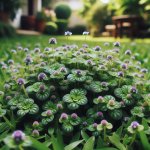
Creeping Charlie, also known as ground ivy, is one of the most persistent and challenging weeds to manage in lawns and gardens. With its creeping vines, round leaves, and small purple flowers, Creeping Charlie can quickly take over if left unchecked. This invasive plant spreads through its roots, or rhizomes, and can dominate areas with shady, moist conditions. Controlling this weed requires a combination of methods, from manual removal to proper lawn care and targeted treatments. Here’s a guide on effective strategies to manage and control Creeping Charlie in your yard.
-
How to Handle Lawn Grubs Before They Damage Roots?
Lawn grubs can become a significant problem if they go undetected in your yard. These small, white larvae feed on grass roots, which can cause patches of dead grass and make your lawn more susceptible to other pests and diseases. Acting quickly to detect, treat, and prevent grubs is key to maintaining a healthy lawn. This guide covers everything you need to know about handling lawn grubs before they cause extensive root damage.
-
Dealing with Anthracnose Disease in Lawns
Anthracnose is a common fungal disease that affects lawns, causing yellowing, browning, and even death of grass in severe cases. This disease thrives in warm, humid conditions and can spread quickly if not managed effectively. Understanding how to identify, treat, and prevent anthracnose can help you protect your lawn and keep it looking lush and green. Here’s a complete guide to dealing with anthracnose disease in lawns.
-
Why Your Lawn Is Fading Near the Driveway and How to Fix It?
A well-kept lawn is every homeowner's pride, but sometimes, areas near the driveway can start to fade and lose their vibrant green color. If the grass by your driveway looks less healthy or appears discolored, several common factors may be causing the problem. Everything from soil compaction to chemical runoff can impact the grass’s ability to thrive in these zones. Here’s a detailed guide on why your lawn fades near the driveway and effective ways to restore its lush appearance.
-
How to Replant and Repair Flood-Damaged Lawns?
Flooding can leave a lawn in bad shape, with soggy soil, muddy patches, and damaged grass. Recovering from this damage can seem daunting, but with the right steps, you can restore your lawn to its former lushness. Repairing flood-damaged lawns often requires replanting, soil amendment, and careful maintenance. Here’s a guide to help you repair and replant your lawn after flooding.
-
Solutions for Lawn Brown Rings: Causes and Treatments
Lawn brown rings are most often caused by fungal diseases like Brown Patch, Dollar Spot, or Fairy Ring, or sometimes by environmental stressors. Effective solutions involve accurate identification of the cause, cultural control practices, and targeted fungicide applications when necessary to restore your lawn's health and appearance.