Gardening Doesn't Have to Be Complicated if You Know What You're Doing

With just a bit of practical knowledge and the right tools, anyone can create a lush, vibrant garden space. Whether you're tending to houseplants, nurturing a vegetable patch, or crafting a backyard oasis, understanding a few fundamental tips can simplify the entire process. At GardenBotany.com, we're here to guide you every step of the way, making gardening enjoyable, stress-free, and accessible for everyone, from complete beginners to seasoned gardeners looking to perfect their green thumbs.
Latest Gardening Posts and Plant Care Tips
-

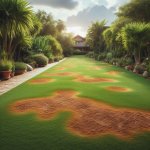
How to Correct Lawn Browning from Pet Waste?
To correct lawn browning from pet waste, immediately dilute the affected area with copious amounts of water, then repair the damaged spots by raking out dead grass, amending the soil, and reseeding or patching with new sod. Prevention is key to maintaining a healthy, green lawn when you have pets.
-
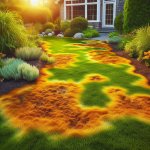
Understanding Lawn Fertilizer Burn and How to Prevent It
Lawn fertilizer burn occurs when too much fertilizer, especially one high in nitrogen, is applied to grass, causing the grass blades to dry out and turn brown or yellow as if scorched. This damage happens because the high salt content in fertilizers draws moisture out of the grass cells through a process called osmosis.
-
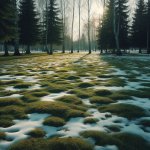
How to Tackle Winter Lawn Molds Like Snow Mold?
To tackle winter lawn molds like Snow Mold, begin by gently raking affected areas in spring to break up matted grass and promote air circulation. The most effective long-term strategy involves preventing its occurrence through proper fall lawn care, including appropriate mowing, reducing thatch, and avoiding excessive nitrogen fertilization before winter sets in.
-
Advertisement
-
The Best Ways to Manage Thistles in Your Lawn
To manage thistles in your lawn, implement a multi-faceted approach combining manual removal for individual plants, cultural practices to strengthen your turf, and targeted herbicide application for widespread infestations. Persistence is key, as thistles are notoriously difficult to eradicate due to their deep root systems and prolific seed production.
-
How to Prevent Algae Growth in Shaded Lawn Areas?
To prevent algae growth in shaded lawn areas, focus on improving drainage, increasing air circulation, reducing excess moisture, and optimizing soil health to create an environment less hospitable to algae and more favorable for healthy grass. Addressing underlying conditions is key to long-term prevention.
-
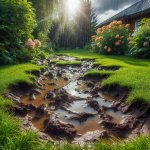
Why Lawn Drainage Matters and How to Improve It?
Lawn drainage is one of the most critical factors in keeping your grass healthy, lush, and green. Without proper drainage, lawns can suffer from waterlogging, soil erosion, and even lawn diseases. Poor drainage leads to patches of grass dying, compaction, and an overall lack of vitality in your lawn. This article will help you understand why lawn drainage is so essential and provide practical methods to improve it.
-
How to Fix Dead Patches in Your Lawn After Winter?
Winter can leave your lawn looking worse for wear. Dead patches often appear in early spring due to harsh winter conditions, snow mold, or salt damage from de-icing products. Repairing these patches can restore your lawn’s appearance and keep it healthy as the growing season begins. This guide will walk you through the steps to repair dead patches and rejuvenate your lawn after winter.
-
The Best Methods for Removing Nutsedge from Lawns
Nutsedge is a pesky and aggressive weed that can invade your lawn, making it difficult to maintain a lush, uniform look. Known for its distinctive triangular stem and fast-growing nature, nutsedge spreads quickly and can compete with your grass for nutrients and water. Getting rid of nutsedge requires a targeted approach, as regular mowing and weeding may not be enough to tackle this stubborn plant. Here’s a guide to the best methods for removing nutsedge from your lawn and keeping it from coming back.
-
How to Treat Lawn Burn from Fertilizer Overuse?
Lawn burn caused by fertilizer overuse is a common problem that many homeowners encounter. Fertilizers are essential for keeping your grass healthy and vibrant, but too much can damage the lawn, leaving unsightly brown or yellow patches. Fortunately, with the right approach, you can restore your lawn to its lush, green state and prevent future damage. Here’s a step-by-step guide on how to treat lawn burn from fertilizer overuse and prevent it from happening again.
-
How to Manage and Reduce Thatched Lawn Layers?
A thatch layer is a common issue for many lawns. Thatch is the dense layer of dead and living plant material, including roots and stems, that accumulates between the grass and soil. While a thin layer of thatch can benefit your lawn by protecting the roots and retaining moisture, excessive thatch can suffocate the grass, restrict nutrient flow, and make your lawn prone to disease. Understanding how to manage and reduce thatch buildup is essential to keeping your lawn healthy and thriving.