Gardening Doesn't Have to Be Complicated if You Know What You're Doing
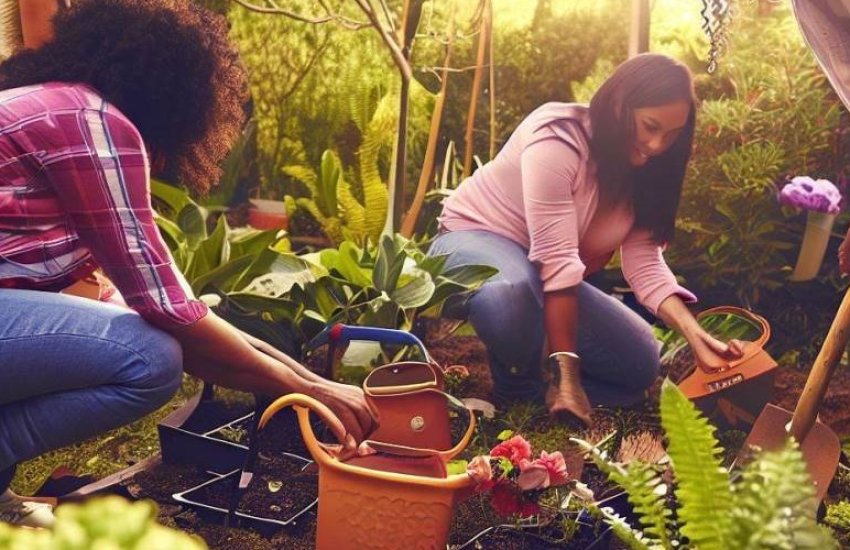
With just a bit of practical knowledge and the right tools, anyone can create a lush, vibrant garden space. Whether you're tending to houseplants, nurturing a vegetable patch, or crafting a backyard oasis, understanding a few fundamental tips can simplify the entire process. At GardenBotany.com, we're here to guide you every step of the way, making gardening enjoyable, stress-free, and accessible for everyone, from complete beginners to seasoned gardeners looking to perfect their green thumbs.
Latest Gardening Posts and Plant Care Tips
-

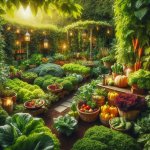
Best Organic Pesticides for Vegetable Gardens
The best organic pesticides for vegetable gardens focus on natural substances derived from plants, minerals, or beneficial microbes, offering effective pest control with minimal environmental impact and reduced risk to human health. Options like neem oil, insecticidal soaps, and Bacillus thuringiensis (Bt) are highly effective when integrated into an overall pest management strategy.
-
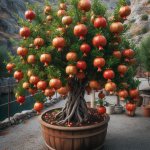
How to Grow Pomegranate Trees in Containers?
To grow pomegranate trees in containers, choose a dwarf or compact variety, provide a large pot with excellent drainage, and use a well-draining potting mix. Ensure abundant sunlight, consistent watering, and proper fertilization to encourage healthy growth and fruit production, especially crucial for those in colder climates bringing trees indoors for winter.
-
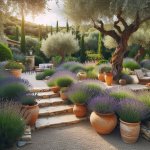
How to Create a Mediterranean Garden in a Temperate Climate?
To create a Mediterranean garden in a temperate climate, focus on replicating the essential conditions: abundant sunlight, excellent drainage, and heat tolerance, often achieved through careful plant selection and soil amendment. Embrace key design elements like terracotta, gravel, and drought-tolerant, aromatic plants to evoke the region's iconic style, even where winters are cooler.
-
Advertisement
-
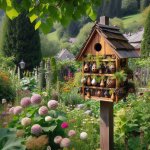
How to Attract Bats to Your Garden for Natural Pest Control?
To attract bats to your garden for natural pest control, you should provide suitable roosting sites like bat houses, ensure a consistent water source, minimize outdoor lighting, and plant night-blooming or fragrant flowers to attract the insects bats feed on. Creating a bat-friendly habitat encourages these nocturnal predators to patrol your garden.
-
Beginner's Guide to Grafting Fruit Trees at Home
To begin grafting fruit trees at home, you'll need a healthy rootstock and scion wood, along with sharp grafting tools and grafting tape. The core principle involves joining the cambium layers of two different plant parts so they grow together, creating a new, combined plant. This beginner's guide will help you understand the process and achieve success.
-
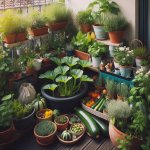
How to Grow Zucchini in Small Spaces Successfully?
Growing zucchini in small spaces successfully requires choosing compact varieties, utilizing vertical growing techniques, and providing consistent care in containers or raised beds. Even with limited room, you can enjoy a bountiful harvest of this versatile summer squash.
-
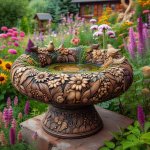
DIY Guide: How to Make a Bird Bath for Your Garden
To make a bird bath for your garden, choose a shallow, non-porous basin and a sturdy, stable base that will elevate the water source above ground level. Ensure the depth is safe for birds, varying from 1 to 3 inches, and position it in a secure location visible to birds but away from predators.
-
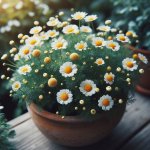
How to Grow Chamomile at Home for Fresh Tea?
To grow chamomile at home for fresh tea, start by sowing seeds in well-draining soil in a sunny spot after the last frost or indoors 6 weeks before. Provide consistent moisture, minimal fertilization, and harvest the daisy-like flowers when fully open for optimal flavor.
-
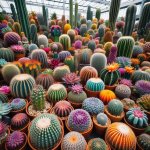
Creating a Thriving Cactus and Succulent Garden
Creating a thriving cactus and succulent garden involves understanding their unique needs for sunlight, well-draining soil, and infrequent watering. These resilient plants can flourish both indoors and outdoors with the right conditions and care tailored to their desert origins.
-
Best Flowers to Plant in Fall for a Spring Bloom
For vibrant spring blooms, the best flowers to plant in fall are typically spring-flowering bulbs like tulips, daffodils, crocus, and hyacinths, along with some cool-season annuals and hardy perennials. Planting them in autumn allows them to establish roots and undergo the necessary chilling period for a spectacular display when warmer weather returns.