Gardening Doesn't Have to Be Complicated if You Know What You're Doing

With just a bit of practical knowledge and the right tools, anyone can create a lush, vibrant garden space. Whether you're tending to houseplants, nurturing a vegetable patch, or crafting a backyard oasis, understanding a few fundamental tips can simplify the entire process. At GardenBotany.com, we're here to guide you every step of the way, making gardening enjoyable, stress-free, and accessible for everyone, from complete beginners to seasoned gardeners looking to perfect their green thumbs.
Latest Gardening Posts and Plant Care Tips
-

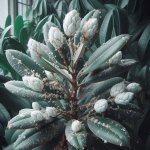
How to Treat Mealybugs on My Indoor Rubber Plant?
To treat mealybugs on your indoor Rubber Plant, begin by immediately isolating the affected plant and physically removing as many visible pests as possible using rubbing alcohol on cotton swabs. Follow up with thorough applications of insecticidal soap or neem oil to eliminate hidden pests and their nymphs, repeating treatments consistently until the infestation is gone.
-
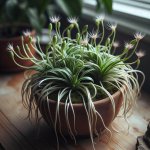
Why Are My Spider Plant Babies Growing Slowly?
Your spider plant babies are growing slowly likely due to insufficient light, improper watering, or nutrient deficiencies, which are common issues when propagating or establishing new plantlets. Ensuring optimal environmental conditions and proper care is key to encouraging faster, healthier growth.
-
How Can I Prevent My ZZ Plant from Developing Yellow Leaves in Winter?
To prevent your ZZ plant from developing yellow leaves in winter, the most critical step is to drastically reduce your watering frequency, allowing the soil to dry out completely between waterings. Yellowing in winter is almost always a sign of overwatering due to the plant's reduced metabolic activity in lower light and cooler temperatures.
-
Advertisement
-
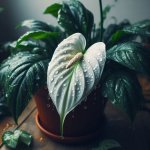
What Causes My Peace Lily Leaves to Droop After Watering?
Peace Lilies are known for their lush green leaves and beautiful white blooms, making them a favorite choice for indoor plants. However, a common concern among Peace Lily owners is drooping leaves that sometimes occur even after watering. Drooping leaves can be confusing and may indicate various issues affecting the plant’s health. Understanding the reasons behind the drooping and how to address them can help keep your Peace Lily thriving.
-
How to Treat Root Bound Symptoms in My Fiddle Leaf Fig?
The Fiddle Leaf Fig, with its beautiful, large leaves and striking height, is a favorite among houseplant enthusiasts. However, as it grows, it often becomes root bound. When a plant is root bound, its roots have grown too large for the pot, becoming tangled and cramped, limiting the plant’s ability to absorb nutrients and water. Recognizing the symptoms and addressing them promptly can ensure your Fiddle Leaf Fig stays healthy and vibrant.
-
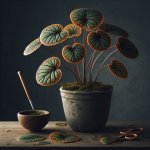
Why Are My Pilea Leaves Turning Brown on the Edges?
The Pilea plant, often referred to as the Chinese Money Plant, is loved for its unique, round leaves and easy-care nature. However, like many indoor plants, Pilea can sometimes show signs of stress. One common issue plant owners face is Pilea leaves turning brown on the edges. Brown-edged leaves can be caused by several factors, from improper watering to pests. Understanding the underlying cause helps you treat the plant effectively and restore its health.
-
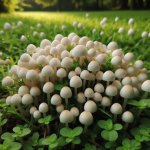
Why Mushrooms Appear on Your Lawn and How to Handle Them?
Mushrooms sprouting up on your lawn can be a curious sight. While mushrooms are harmless to your grass, they may indicate underlying soil conditions that you might want to address. Learning why mushrooms appear and how to handle them can help you keep your lawn looking clean and free from unwanted growth.
-
Best Cover Crops for Soil Health in Winter
The best cover crops for soil health in winter are typically cold-hardy annuals or biennials that protect the soil from erosion, suppress weeds, and add organic matter. Options like crimson clover, hairy vetch, rye, and oats are excellent choices for their ability to establish quickly and withstand winter conditions.
-
How to Use Leaf Mulch to Improve Soil?
To use leaf mulch to improve soil, you can directly spread shredded leaves over garden beds, incorporate them into vegetable gardens as a soil amendment, or compost them to create nutrient-rich material. This simple, free method enriches your garden's foundation, boosting plant health and vitality.
-
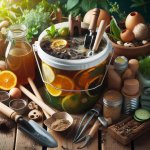
How to Make DIY Compost Tea for Plants?
Compost tea is a natural, nutrient-rich liquid fertilizer that can transform your garden and indoor plants. It's simple to make, affordable, and a powerful way to support plant health and soil vitality. Whether you’re a seasoned gardener or just starting with a few houseplants, making compost tea can help plants thrive by enhancing growth, boosting resistance to pests, and improving overall soil quality.