Gardening Doesn't Have to Be Complicated if You Know What You're Doing
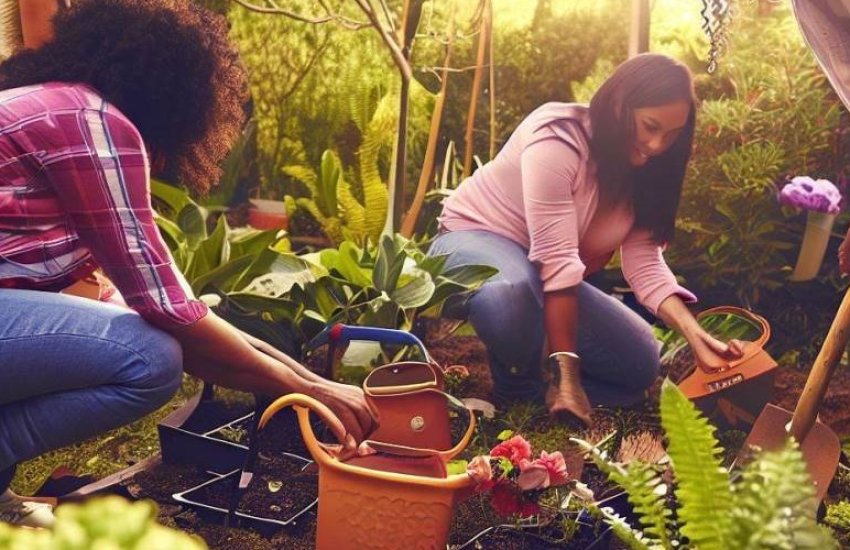
With just a bit of practical knowledge and the right tools, anyone can create a lush, vibrant garden space. Whether you're tending to houseplants, nurturing a vegetable patch, or crafting a backyard oasis, understanding a few fundamental tips can simplify the entire process. At GardenBotany.com, we're here to guide you every step of the way, making gardening enjoyable, stress-free, and accessible for everyone, from complete beginners to seasoned gardeners looking to perfect their green thumbs.
Latest Gardening Posts and Plant Care Tips
-

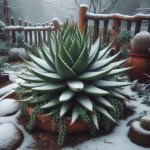
How to Grow Aloe Vera Outdoors in Colder Climates?
Growing aloe vera outdoors in colder climates presents unique challenges, but it's entirely achievable with the right knowledge and preparation. While aloe vera thrives in warm, arid environments, clever gardeners can cultivate this beneficial succulent even when temperatures drop. This guide will walk you through the essential steps, from selecting the right variety to providing winter protection, ensuring your aloe vera not only survives but flourishes in less-than-ideal outdoor conditions. You'll learn how to extend the growing season and protect your plants from frost, allowing you to enjoy fresh aloe gel year-round.
-
How to Manage Scale Insects on My Indoor Fiddle Leaf Fig?
To manage scale insects on your indoor Fiddle Leaf Fig, immediately isolate the affected plant to prevent spread. Begin treatment by physically removing visible adult scales with rubbing alcohol and a cotton swab, then follow up with consistent applications of horticultural oil or insecticidal soap to target crawler stages.
-
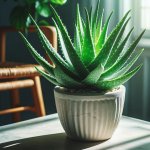
What Should I Do If My Aloe Vera Has Soft, Limp Leaves?
If your Aloe Vera has soft, limp leaves, it's most commonly a sign of overwatering or inadequate drainage, leading to root rot. Immediately assess your watering habits and the plant's soil conditions to prevent further damage and help your aloe recover its firm, upright foliage.
-
Advertisement
-
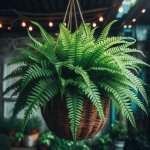
Why Is My Boston Fern Shedding Leaves Excessively?
Excessive leaf shedding in your Boston Fern is a common sign of environmental stress, primarily indicating issues with humidity, watering, or light conditions. These plants are native to humid, subtropical regions and are quite sensitive to changes in their indoor environment.
-
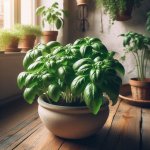
How Can I Remove Aphids from My Indoor Basil Plant?
To remove aphids from your indoor basil plant, the most effective methods involve manual removal, strong water sprays, or applying insecticidal soap. Since basil is an edible herb, always prioritize organic and non-toxic treatments to ensure the leaves remain safe for consumption.
-
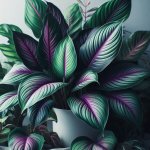
Why Does My Calathea Have White, Powdery Residue on the Leaves?
If your Calathea has white, powdery residue on its leaves, the most common culprits are either a mineral buildup from hard water or the presence of a fungal disease called powdery mildew. Identifying the exact cause is crucial for proper treatment and keeping your plant healthy.
-
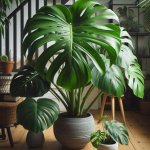
How Can I Fix Yellowing Leaves on My Monstera Deliciosa?
To fix yellowing leaves on your Monstera Deliciosa, you must first identify the underlying cause, which is most often overwatering. Other common culprits include underwatering, nutrient deficiencies, insufficient light, pests, or temperature stress, all of which require specific adjustments to the plant's care routine.
-
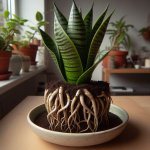
How Can I Tell If My Snake Plant Has Root Rot?
The snake plant (Sansevieria trifasciata), also known as Mother-in-Law's Tongue, is celebrated as one of the most resilient and low-maintenance houseplants available. Its striking, architectural foliage can tolerate a wide range of conditions, making it a favorite for beginners and seasoned plant enthusiasts alike. However, despite its hardiness, there's one common enemy that can quickly lead to its demise: root rot. This stealthy killer is almost always a result of overwatering. Learning how can I tell if my snake plant has root rot is the most crucial skill for keeping this robust plant healthy and vibrant.
-
What Causes Brown Spots on the New Leaves of My Hoya Plant?
If you observe brown spots on the new leaves of your Hoya plant, it often indicates an environmental stressor or watering issue rather than a dire disease. Most commonly, it's a sign of inconsistent watering, too much direct sun, low humidity, or fungal spotting exacerbated by stagnant air or moisture, all of which can be addressed with simple care adjustments.
-
Why Are My Alocasia Leaves Turning Yellow and Dropping Off?
If your Alocasia leaves are turning yellow and dropping off, the most common culprits are issues with watering (either overwatering or underwatering), insufficient humidity, or a natural shedding process. Alocasias are sensitive tropical plants, so consistent environmental conditions are crucial to their health.