Gardening Doesn't Have to Be Complicated if You Know What You're Doing
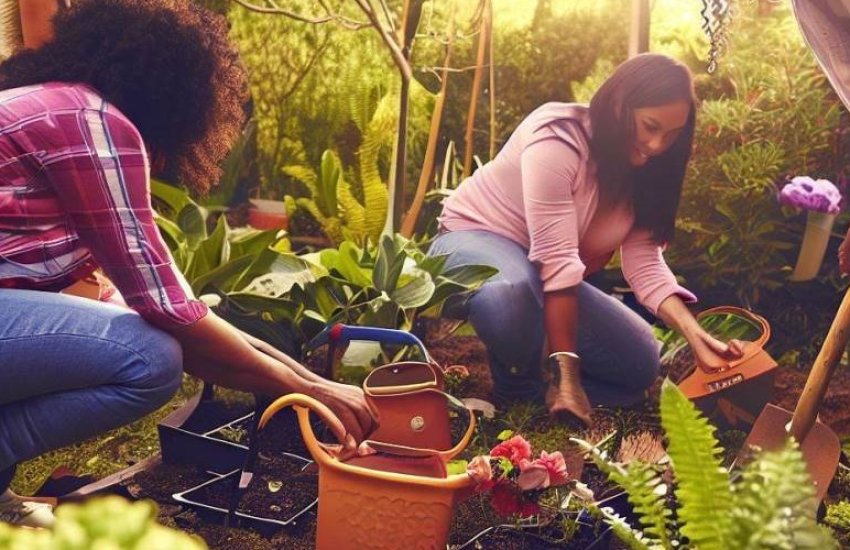
With just a bit of practical knowledge and the right tools, anyone can create a lush, vibrant garden space. Whether you're tending to houseplants, nurturing a vegetable patch, or crafting a backyard oasis, understanding a few fundamental tips can simplify the entire process. At GardenBotany.com, we're here to guide you every step of the way, making gardening enjoyable, stress-free, and accessible for everyone, from complete beginners to seasoned gardeners looking to perfect their green thumbs.
Latest Gardening Posts and Plant Care Tips
-

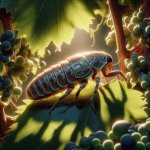
Grape Phylloxera: A Major Threat to Vineyards
Grape phylloxera (Daktulosphaira vitifoliae) is a small, aphid-like insect that poses a serious threat to vineyards worldwide. Originally native to North America, this destructive pest has devastated grapevines across Europe, Australia, and parts of Asia. For vineyard owners, winemakers, and grape enthusiasts, grape phylloxera is a name synonymous with the catastrophic vineyard damage it can cause.
-
How Can I Prevent My Pothos from Developing Root Rot?
Pothos (Epipremnum aureum), also known as Devil's Ivy, is one of the most popular houseplants, prized for its easy-care nature and ability to thrive in low-light environments. However, like many indoor plants, pothos is susceptible to root rot, a condition that can quickly kill your plant if not addressed. Preventing root rot is crucial for keeping your pothos healthy and vibrant.
-
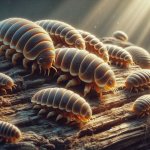
Pill Bugs: The Good, the Bad, and the Ugly
In the world of gardening, pill bugs often get a mixed reputation. Known for their ability to roll into a ball when disturbed, these small crustaceans are commonly found in gardens, under logs, rocks, and leaf litter. Also referred to as roly-polies, woodlice, or sow bugs, pill bugs are part of the Isopoda order and are one of the few crustaceans that can live entirely on land.
-
What Should I Do When My ZZ Plant Starts to Yellow?
The ZZ plant (Zamioculcas zamiifolia) is a popular houseplant known for its low maintenance requirements, resilience, and attractive dark green, glossy leaves. However, even this hardy plant can show signs of distress, one of the most common being yellowing leaves. When a ZZ plant starts to turn yellow, it can indicate various underlying issues that need to be addressed promptly to prevent further decline.
-
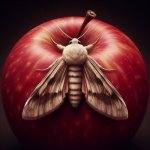
Codling Moth: How to Protect Your Apples and Pears
The codling moth (Cydia pomonella) is a significant pest for apple and pear growers, causing damage that can lead to significant crop loss. These small moths lay their eggs on or near the fruit, and their larvae burrow into the apples and pears, feeding on the flesh and seeds. As the larvae mature, they leave unsightly holes and internal damage, rendering the fruit inedible.
-
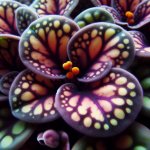
How Can I Save My African Violet from Leaf Spots?
African violets (Saintpaulia) are popular houseplants known for their beautiful flowers and attractive foliage. However, these delicate plants are susceptible to various problems, one of the most common being leaf spots. If you notice your African violet leaves developing spots, it’s essential to address the issue promptly to prevent further damage and save your plant.
-
Fruit Flies: Keeping Your Produce Safe
Fruit flies (Drosophila melanogaster) are tiny, persistent insects that can be a significant nuisance in households, particularly in kitchens. These small flies are attracted to ripe and decaying fruits, vegetables, and other organic matter, where they lay their eggs. A female fruit fly can lay up to 500 eggs in her short lifetime, making infestations difficult to control once they start. Not only are they annoying, but they can also contaminate food, spreading bacteria and potentially causing health risks.
-
Why Is My Rubber Plant Losing Its Lower Leaves?
The rubber plant (Ficus elastica) is a popular houseplant known for its large, glossy leaves and relatively low maintenance needs. However, even the hardiest of plants can experience issues, and one common problem that rubber plant owners encounter is the loss of lower leaves. While it’s normal for rubber plants to shed older leaves as they grow, excessive leaf drop can be a sign that something is amiss.
-
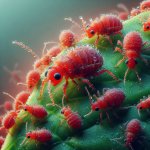
Identifying Red Aphids: What Every Gardener Should Know
Red aphids are one of the many species of aphids, a group of small, sap-sucking insects that can wreak havoc on a variety of garden plants. Though tiny, these pests have a significant impact, as they multiply quickly and can cause serious damage to plants by weakening them, spreading diseases, and encouraging the growth of harmful molds. Among the many colors that aphids come in—such as green, black, yellow, and brown—red aphids can stand out visually, making them easier to identify in your garden.
-
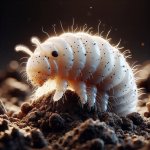
White Grubs: The Underground Threat to Your Garden
Your garden may look healthy and thriving on the surface, but beneath the soil, an invisible enemy could be slowly destroying it. White grubs, the larvae of several beetle species, are one of the most destructive pests in lawns and gardens. These underground invaders feast on the roots of grass and other plants, causing extensive damage that can lead to browning, wilting, and even plant death.