Gardening Doesn't Have to Be Complicated if You Know What You're Doing

With just a bit of practical knowledge and the right tools, anyone can create a lush, vibrant garden space. Whether you're tending to houseplants, nurturing a vegetable patch, or crafting a backyard oasis, understanding a few fundamental tips can simplify the entire process. At GardenBotany.com, we're here to guide you every step of the way, making gardening enjoyable, stress-free, and accessible for everyone, from complete beginners to seasoned gardeners looking to perfect their green thumbs.
Latest Gardening Posts and Plant Care Tips
-

What Type of Soil is Best for Growing Boysenberry Plants?
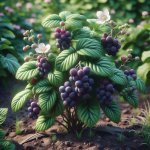
Boysenberry plants are a delicious and nutritious addition to any garden, providing sweet, tangy fruit that can be enjoyed fresh or used in jams, desserts, and smoothies. A hybrid between a blackberry, raspberry, and loganberry, boysenberries require specific growing conditions to thrive, with soil quality being a key factor. Providing the right type of soil for boysenberries will not only improve plant health but also ensure a bountiful harvest.
-
What Type of Soil is Best for Growing Elderberry Plants?
Elderberry plants are not only prized for their flavorful berries, but they have also gained popularity due to their medicinal properties and health benefits. Known for their ability to boost the immune system, elderberries are used in syrups, tinctures, and teas, making them a versatile addition to any home garden or farm. However, to grow strong, healthy elderberry plants that produce an abundant harvest, it’s important to understand the type of soil that best supports their growth.
-
What Type of Soil Is Best for Growing Mulberry Plants?
Growing mulberry plants can be a rewarding experience for gardeners and farmers alike. These fruit-bearing trees produce sweet, juicy berries that can be eaten fresh, dried, or used in a variety of culinary dishes. However, to ensure your mulberry plants thrive and produce high yields, it is essential to provide them with the right growing conditions, particularly when it comes to the soil.
-
Can I Grow Papaya Plants in Containers or Pots?
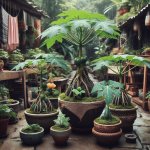
Papaya plants, known for their fast-growing nature and tropical fruit, can indeed be grown in containers or pots. Growing papaya in containers is a fantastic option for those with limited space, or for gardeners in cooler climates who want to enjoy the benefits of this delicious and nutrient-packed fruit indoors or on patios. While papaya plants are typically grown in tropical and subtropical regions, with the right care and conditions, you can cultivate them successfully in pots.
-
What Type of Soil Is Best for Growing Mango Plants?
The best type of soil for growing mango plants is a well-draining, slightly acidic sandy loam that is rich in organic matter. This ideal soil texture and composition ensures that mango roots receive adequate aeration while retaining enough moisture and nutrients for healthy growth.
-
How Do I Know When My Avocados Are Ripe and Ready to Harvest?
Knowing when your avocados are ripe and ready to harvest is crucial for enjoying their creamy texture and rich flavor, as they do not ripen on the tree. The best indicator is a slight give when gently squeezed, often accompanied by a color change for certain varieties, but careful observation and patience are key.
-
Can I Grow Pineapple Plants Indoors, and If So, How?
Pineapple plants are a fun and rewarding addition to your indoor garden. While typically grown in tropical climates, pineapples can indeed be cultivated indoors with the right care and attention. Whether you're growing them as a houseplant for their decorative foliage or hoping to enjoy homegrown pineapples, indoor cultivation is possible and relatively easy if you follow some essential guidelines.
-
How Do I Fertilize My Pomegranate Tree for Optimal Growth?
Fertilizing your pomegranate tree is essential for promoting healthy growth, abundant fruit production, and resistance to diseases and pests. With the right fertilization regimen, your pomegranate tree can thrive and reward you with a bountiful harvest of nutrient-packed, delicious fruits. In this guide, we’ll explore the best practices for fertilizing your pomegranate tree to ensure optimal growth, including the types of fertilizers to use, when and how to apply them, and tips for maintaining a healthy soil environment.
-
Rose Slugs: Keeping Your Roses Beautiful and Healthy
Roses are beloved for their beauty, fragrance, and the elegance they bring to any garden. But these stunning plants are not without their challenges, and one of the most common and damaging pests is the rose slug. While they may look harmless, rose slugs can wreak havoc on your roses, leaving them with chewed leaves, holes, and an overall unhealthy appearance.
-
What Can I Do If My Snake Plant Has Soft, Mushy Leaves?
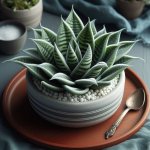
The snake plant (Sansevieria trifasciata), also known as Mother-in-Law's Tongue, is a popular houseplant known for its resilience, low maintenance needs, and striking appearance. However, even the most hardy plants can suffer from problems, and one common issue is soft, mushy leaves. Snake plants are typically characterized by their firm, upright, and fleshy leaves, so when you notice them becoming soft or mushy, it’s a sign that something is wrong.