Gardening Doesn't Have to Be Complicated if You Know What You're Doing

With just a bit of practical knowledge and the right tools, anyone can create a lush, vibrant garden space. Whether you're tending to houseplants, nurturing a vegetable patch, or crafting a backyard oasis, understanding a few fundamental tips can simplify the entire process. At GardenBotany.com, we're here to guide you every step of the way, making gardening enjoyable, stress-free, and accessible for everyone, from complete beginners to seasoned gardeners looking to perfect their green thumbs.
Latest Gardening Posts and Plant Care Tips
-

How Do I Ensure Proper Water Flow in My Farm Layout?
Efficient water management is a fundamental aspect of a productive and sustainable farm layout. Proper water flow ensures that crops and livestock get the hydration they need while minimizing water waste, preventing erosion, and reducing the risk of flooding. In addition to improving overall farm efficiency, good water flow can help conserve this precious resource, reduce operating costs, and promote healthy crop growth.
-
What Are Some Tips for Creating a Functional Farm Layout?
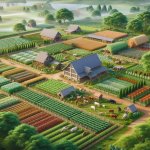
Creating a functional farm layout is essential to maximize efficiency, productivity, and sustainability on your land. Whether you are planning a small garden, a mid-sized homestead, or a large commercial farm, organizing the space thoughtfully can save you time and effort while improving crop yields and livestock management. This article provides practical tips for designing a farm layout that works for your specific needs.
-
How Do I Design a Farm Layout for Sustainable Agriculture?
Designing a farm layout for sustainable agriculture involves more than just organizing planting rows and creating pathways. It requires an integrated approach that considers environmental health, economic viability, and social equity. A well-designed farm for sustainable agriculture not only provides high-quality produce but also conserves resources, supports biodiversity, and reduces harmful environmental impacts.
-
What is the Best Farm Layout for Growing Vegetables?
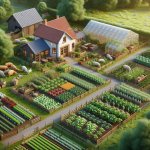
Designing the best farm layout for growing vegetables is a crucial step for maximizing efficiency, increasing yield, and promoting healthy crops. Whether you're working with a large acreage or a small garden, the right layout can make a significant difference in your farm's productivity. By strategically organizing your planting beds, pathways, irrigation systems, and storage areas, you can create a farm that not only supports a wide variety of vegetables but also simplifies the work involved in maintaining them.
-
How Do I Design a Farm Layout for Livestock?
Designing an efficient and sustainable farm layout for livestock requires careful planning to ensure that your animals are healthy, well-fed, and have access to appropriate shelter. A good farm layout maximizes space, optimizes resources, and minimizes labor. Whether you're raising cattle, sheep, chickens, or a mix of different animals, the design of your farm plays a critical role in the success of your operation.
-
What Are the Different Types of Farm Layouts?
The different types of farm layouts typically range from conventional grid patterns designed for mechanized efficiency to more integrated and ecological designs like permaculture, intensive systems, and mixed-use farms. Each layout prioritizes specific goals, whether it's maximizing output, promoting biodiversity, or optimizing space on varying scales.
-
How Do I Design a Profitable Farm Layout?
Designing a profitable farm layout requires more than just organizing your land into fields and pastures. A well-thought-out layout can significantly impact farm efficiency, yield, and profitability. By focusing on smart zoning, resource management, and incorporating high-value crops or livestock, you can optimize your farm for financial success.
-
What is the Best Farm Layout for a Small Farm?
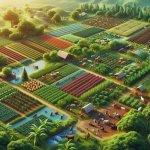
Designing an efficient and productive farm layout for a small farm is essential for optimizing the use of space, enhancing productivity, and reducing unnecessary labor. Whether you're starting a hobby farm, a small-scale vegetable operation, or a livestock-based farm, the layout can make or break your success. It is not just about placing fields and pastures randomly; it’s about creating a cohesive, well-thought-out system that works in harmony with the land, resources, and your goals.
-
Red Imported Fire Ants: The Aggressive Garden Invaders
The red imported fire ant (Solenopsis invicta) is an aggressive and invasive species that poses a significant threat to gardens, lawns, and agricultural areas. Native to South America, this ant species has rapidly spread throughout various parts of the world, particularly the southern United States. These ants are known for their painful stings, which can cause severe reactions in both humans and animals, and their destructive behavior that disrupts outdoor activities and damages plants.
-
Cereal Leaf Beetles: Protecting Your Grain Crops
The cereal leaf beetle, known scientifically as Oulema melanopus, is a major pest that threatens grain crops worldwide. Originally from Europe, it has become a significant concern in North America, where it was first detected in the 1960s. The adult beetles and their larvae feed on the leaves of various cereal crops, significantly reducing yield and affecting crop quality. For farmers growing wheat, oats, barley, and other cereals, understanding how to identify, manage, and prevent cereal leaf beetle infestations is critical for protecting their livelihood.