Gardening Doesn't Have to Be Complicated if You Know What You're Doing

With just a bit of practical knowledge and the right tools, anyone can create a lush, vibrant garden space. Whether you're tending to houseplants, nurturing a vegetable patch, or crafting a backyard oasis, understanding a few fundamental tips can simplify the entire process. At GardenBotany.com, we're here to guide you every step of the way, making gardening enjoyable, stress-free, and accessible for everyone, from complete beginners to seasoned gardeners looking to perfect their green thumbs.
Latest Gardening Posts and Plant Care Tips
-

How to Control Weeds in a Perennial Flower Bed?
Keeping a perennial flower bed looking its best often comes down to mastering how to control weeds in a perennial flower bed. These persistent invaders compete with your beautiful blooms for water, nutrients, and sunlight, quickly diminishing the aesthetic appeal and overall health of your garden. While completely eradicating weeds might be an impossible dream, a strategic combination of preventative measures and ongoing management techniques can significantly reduce their presence, allowing your cherished perennials to truly shine.
-
How Do I Propagate Boston Ferns?
The Boston Fern (Nephrolepis exaltata 'Bostoniensis') is a classic for a reason. Its lush, arching fronds and vibrant green color bring an undeniable sense of elegance and freshness to any space, whether hanging on a porch or gracing a living room. If you've ever admired a full, healthy Boston Fern, you might have wondered: can I make more of these beautiful plants? Can I expand my collection, fill another corner, or share one with a friend?
-
Why Are the Leaves of My Rubber Plant Turning Yellow?
The Rubber Plant (Ficus elastica) is a true classic in the world of houseplants, celebrated for its striking, glossy leaves and statuesque presence. Whether you have a dark green 'Burgundy,' a variegated 'Tineke,' or a vibrant 'Ruby,' a healthy Rubber Plant is a joy to behold. So, it can be quite alarming to suddenly notice its once-perfect leaves turning yellow. This common issue can make any plant parent worry, prompting the immediate question: Why are the leaves of my Rubber Plant turning yellow?
-
What Kind of Light Does a Philodendron Need?
The philodendron is a beloved staple in homes and offices around the world, and it's easy to see why. With its lush, often heart-shaped leaves and gracefully trailing or upright growth habits, it adds a touch of vibrant green and natural elegance to any indoor space. What's more, these versatile plants are often touted as being incredibly easy to care for, making them a popular choice for both seasoned plant parents and those just starting their indoor garden journey.
-
What Are the Common Pests That Affect Spider Plants?
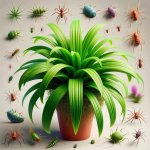
Spider plants are beloved houseplants for their easy-going nature, air-purifying qualities, and charming "spiderettes" that trail gracefully. They're often hailed as beginner-friendly plants, and for good reason—they're quite resilient. However, even the toughest plants aren't entirely immune to unwanted visitors. If you're seeing your normally vibrant spider plant look a little less lively, you might be wondering, "What are the common pests that affect spider plants?" While spider plants are generally resistant, a few persistent culprits can occasionally show up, making it important to know how to identify and treat them to keep your green friend thriving.
-
Can Aloe Vera Survive Indoors with Low Light?
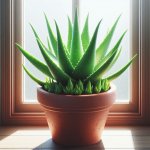
A common query for indoor plant enthusiasts, particularly those with less-than-bright living spaces, is whether can Aloe Vera survive indoors with low light. While Aloe vera is famously resilient and relatively easy to care for, its origins in arid, sunny climates suggest a strong preference for ample illumination. The truth is, while an Aloe plant might endure in dimly lit conditions for a period, true thriving, robust growth, and the development of potent medicinal gel depend heavily on sufficient light exposure. Understanding the plant's natural habitat and its physiological needs reveals why low-light environments are far from ideal for this succulent.
-
How Do I Propagate a ZZ Plant?
If you're a fan of the super-low-maintenance and striking ZZ plant, you might eventually wonder, "How do I propagate a ZZ plant?" Good news! ZZs are incredibly versatile when it comes to making new plants. While they might test your patience (they're notoriously slow!), their resilient nature means that with a little know-how and time, you can easily turn one healthy ZZ into several new ones. This guide will walk you through the various methods, from leaf cuttings to division, helping you expand your ZZ collection or share its beauty with friends.
-
How Do I Propagate a Pothos Plant?
Pothos plants are a true favorite among houseplant enthusiasts, and for good reason! Their beautiful cascading vines, easy-going nature, and air-purifying qualities make them a perfect addition to any indoor space. But what if you could have more than just one? That's where propagation comes in. Turning one healthy Pothos into several new plants is not only incredibly satisfying but also surprisingly simple.
-
How Do I Get My Peace Lily to Bloom?
The peace lily (Spathiphyllum) is one of the most popular and elegant houseplants, cherished for its glossy, dark green leaves and its striking white "flowers." While those white parts aren't technically flowers (they're modified leaves called spathes that surround a central spike of tiny true flowers called a spadix), they are undeniably beautiful and the main reason many people bring these plants into their homes. When a peace lily is thriving and blooming, it truly adds a touch of serene beauty to any indoor space.
-
Why Are My Snake Plant’s Leaves Turning Yellow?
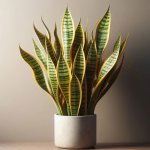
Witnessing the vibrant green leaves of your usually resilient snake plant begin to fade and turn yellow can be concerning, especially given their reputation for being almost indestructible. If you're wondering, "Why are my snake plant's leaves turning yellow?" you're likely facing one of a few common issues, most of which are easily remedied with a bit of detective work and adjusted care. This guide will help you diagnose the problem and bring your beloved Sansevieria back to its lush, verdant state.