Gardening Doesn't Have to Be Complicated if You Know What You're Doing

With just a bit of practical knowledge and the right tools, anyone can create a lush, vibrant garden space. Whether you're tending to houseplants, nurturing a vegetable patch, or crafting a backyard oasis, understanding a few fundamental tips can simplify the entire process. At GardenBotany.com, we're here to guide you every step of the way, making gardening enjoyable, stress-free, and accessible for everyone, from complete beginners to seasoned gardeners looking to perfect their green thumbs.
Latest Gardening Posts and Plant Care Tips
-

What Are the Best Companion Plants for Fruit Trees?
Imagine a vibrant, healthy ecosystem where every plant helps its neighbor, creating a stronger, more resilient whole. That's the core idea behind companion planting. It's an ancient gardening technique that involves planting different species of plants close together so they can benefit each other in various ways. It's like building a friendly neighborhood in your garden!
-
How to Grow Fruit on a Balcony with Limited Sunlight?
Dreaming of fresh, homegrown fruit but limited to a small balcony with less-than-ideal sunlight? Many aspiring urban gardeners face the challenge of cultivating edible delights in compact spaces, especially when a coveted south-facing, full-sun exposure isn't an option. While the majority of fruit-bearing plants thrive in abundant sunshine, a limited-light balcony doesn't have to spell the end of your fruity ambitions. With strategic plant selection, clever container solutions, and smart cultivation techniques, you can still achieve a surprisingly bountiful harvest.
-
How to Prevent Fruit Splitting on Citrus Trees?
You've nurtured your citrus tree, watching its fragrant blossoms turn into tiny green fruits, anticipating the juicy harvest. Then, just as the fruits are ripening and looking almost perfect, you spot it: a crack, a split, or a burst seam right in the middle of a beautiful orange or lemon. This frustrating phenomenon is known as fruit splitting, and it's a common issue for citrus growers, especially as harvest time approaches.
-
What Are the Best Low-Maintenance Fruit Trees for Beginners?
The best low-maintenance fruit trees for beginners are typically resilient varieties that are self-pollinating, disease-resistant, and adaptable to various soil conditions, requiring minimal pruning or pest intervention. Excellent choices include mulberries, pawpaws, persimmons, serviceberries, and certain fig and cherry varieties, which offer delicious harvests without constant fuss.
-
How to Build a Self-Watering System for Fruit Plants?
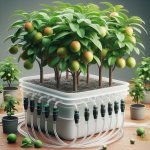
For many gardeners, the dream of harvesting plump, juicy fruits right from their own backyard is incredibly appealing. Yet, the reality of tending to fruit plants often involves a significant commitment to consistent watering. Unlike many ornamental plants, fruit-bearing varieties require a steady and precise supply of moisture, especially during crucial stages of flowering and fruit development. Fluctuations in watering—too much, too little, or inconsistent schedules—can lead to cracked fruits, blossom drop, poor yields, or even plant death. This challenge is particularly daunting for busy individuals, those who travel frequently, or anyone looking to minimize daily garden chores. Imagine a system that takes this critical task off your hands, providing your fruit plants with exactly what they need, when they need it. This is where a self-watering system becomes a game-changer. It’s an ingenious solution that not only conserves water but also promotes healthier plants and more abundant harvests, all with less effort from you. Let’s explore how to construct such a system, transforming your fruit garden into a marvel of efficiency and productivity.
-
How to Grow Peaches Organically in Humid Climates?
Cultivating juicy, sweet peaches organically in a humid climate might seem like a daunting challenge, but it's a deeply rewarding endeavor. While high humidity can be a breeding ground for certain pests and diseases that love stone fruit, a strategic and proactive approach focused on natural methods can lead to bountiful, delicious harvests without synthetic chemicals. It requires careful planning, vigilant observation, and a commitment to nurturing a healthy orchard ecosystem.
-
How to Create a Food Forest with Fruit Trees?
To create a food forest with fruit trees, you design a multi-layered, self-sustaining ecosystem that mimics a natural forest, focusing on perennial edible plants. This involves carefully selecting compatible fruit trees as the canopy layer, then integrating understory trees, shrubs, herbaceous plants, groundcovers, and root crops that support each other, build soil fertility, and produce abundant food with minimal human intervention over time.
-
How to Grow Pawpaw Fruit in Your Backyard?
For fruit enthusiasts looking to add a truly unique and delicious native gem to their home orchard, the pawpaw fruit (Asimina triloba) offers a delightful and rewarding challenge. This fascinating tree, often hailed as "America's forgotten fruit," produces custardy, tropical-flavored fruit in temperate climates, without the need for extensive care or pesticides often associated with other fruit trees. Learning how to grow pawpaw fruit in your backyard means unlocking a taste of the exotic, straight from your own garden.
-
What Are the Best Pollinators for Fruit Trees?
Achieving a bountiful harvest from your fruit trees relies heavily on a critical natural process: pollination. Without effective transfer of pollen from one flower to another, many fruit trees simply won't produce fruit, or will yield very little. While some trees are self-fertile, meaning they can pollinate themselves, many popular varieties require help from external sources to move pollen between flowers, or even between different trees. Understanding the role of these helpful creatures and how to attract them is fundamental to successful fruit growing.
-
How to Grow Dragon Fruit in Cooler Climates?
The Dragon Fruit (Hylocereus spp.), with its vibrant, almost mythical appearance and subtly sweet, refreshing flesh, is a true exotic delight. Native to tropical and subtropical regions, its stunning nocturnal flowers and unique, scaly fruit capture the imagination of anyone who encounters it. For those living in warm, humid climates, growing Dragon Fruit can be relatively straightforward. However, for gardeners in cooler climates, the dream of harvesting their own homegrown dragon fruit might seem like an impossible feat. The good news is that with a bit of ingenuity, protection, and specific care strategies, it is indeed possible to cultivate these fascinating cacti even outside their typical tropical zones.