Gardening Doesn't Have to Be Complicated if You Know What You're Doing

With just a bit of practical knowledge and the right tools, anyone can create a lush, vibrant garden space. Whether you're tending to houseplants, nurturing a vegetable patch, or crafting a backyard oasis, understanding a few fundamental tips can simplify the entire process. At GardenBotany.com, we're here to guide you every step of the way, making gardening enjoyable, stress-free, and accessible for everyone, from complete beginners to seasoned gardeners looking to perfect their green thumbs.
Latest Gardening Posts and Plant Care Tips
-

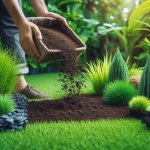
How do I repair patches in my lawn?
You step out onto your lawn, hoping to see a uniform carpet of green, but instead, your eyes land on an unwelcome sight: bare spots, thin areas, or patches of dead grass. These unsightly gaps can mar the beauty of an otherwise healthy lawn, making it look neglected or uneven. Whether caused by pet urine, heavy foot traffic, disease, or just general wear and tear, these patches are a common challenge for homeowners.
-
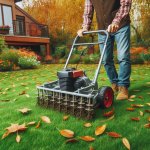
When is the best time to aerate my lawn?
A lush, green lawn is a homeowner's pride, but sometimes, even with regular watering and feeding, your grass just doesn't seem to thrive. It might look thin, struggle with drainage, or feel unusually hard underfoot. These are often signs that your lawn could benefit from aeration. This vital lawn care practice, though often overlooked, can dramatically improve the health and appearance of your turf. It helps the grass breathe, drink, and eat more effectively.
-
What are some natural fertilizers for a lush lawn?
Achieving a vibrant, healthy lawn doesn't always require synthetic chemicals. Many natural materials can nourish your grass, helping it grow strong and green without the concerns associated with artificial products. Opting for organic methods not only benefits your lawn but also supports a healthier environment for your family, pets, and local wildlife. Let's explore some of the best natural options to give your lawn the nutrients it craves, helping it flourish with natural vitality.
-
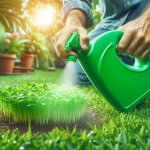
How can I get rid of weeds without harming my grass?
Few things are more frustrating for a homeowner than looking out at a lush green lawn, only to spot pesky weeds popping up, seemingly overnight. These unwanted plants compete with your grass for water, nutrients, and sunlight, making your lawn look patchy and unhealthy. The challenge often lies in removing these intruders without damaging your desirable grass. Fortunately, there are many effective strategies to tackle lawn weeds, ranging from natural, manual methods to targeted chemical solutions, all designed to preserve the health and beauty of your turf. This guide will walk you through various techniques for weed control in lawns, ensuring you can achieve that pristine, uniform green carpet without causing harm to your beloved grass.
-
What is the best way to mow a lawn for optimal growth?
Achieving a lush, green, and healthy lawn goes beyond just pushing a mower around; it involves understanding and applying best practices that encourage strong, resilient grass. For optimal growth, your mowing routine plays a much larger role than you might think, influencing everything from weed control to drought resistance. Let's delve into the techniques and considerations that define the best way to mow a lawn for peak health and beauty.
-
How often should I water my lawn?
Maintaining a vibrant, healthy lawn is a goal for many homeowners, and a crucial part of achieving that lush green carpet is proper irrigation. There's no one-size-fits-all answer to how frequently you should hydrate your grass, as various elements influence its water needs. Understanding these factors will allow you to tailor a watering schedule that promotes deep root growth, conserves water, and keeps your turf looking its best. Getting the balance right is key to preventing both dehydration and overwatering, both of which can harm your lawn.
-
What are some companion planting strategies to naturally repel pests?
Gardening can be a truly rewarding experience, offering fresh produce and a connection to nature. However, it often comes with the frustrating challenge of dealing with unwanted guests: pests. These tiny invaders can decimate a garden, turning lush greens into a ragged mess. Many gardeners resort to chemical sprays, but these can harm beneficial insects, pollute the soil, and even leave residues on your food. Fortunately, there's a more natural, harmonious approach: companion planting. This age-old practice involves growing certain plants together because they benefit each other in various ways, including deterring pests. It's like building a little ecosystem right in your backyard, where plants work as a team to protect themselves. By strategically placing specific plants next to your vulnerable crops, you can create a natural barrier, confusing pests with strong scents, attracting their predators, or even luring them away from your prized plants. This method isn't just about keeping pests away; it's about fostering a healthier, more resilient garden that thrives with less intervention.
-
How do I identify and control slug infestations in my garden?
You step out into your garden, eager to check on your thriving plants, only to find a disheartening sight: ragged holes in tender leaves, gnawed edges on developing fruits, and glistening, silvery trails crisscrossing your prized hostas. The culprits, though often unseen during the day, leave behind unmistakable calling cards. Slug infestations can quickly turn a gardener's joy into a frustrating battle, as these slimy mollusks have an insatiable appetite for a wide array of plants, from young seedlings to mature vegetables and ornamentals. Identifying their presence and understanding their habits is the crucial first step in protecting your green sanctuary.
-
What are the most effective methods for deterring garden pests organically?
The vibrant tableau of a thriving garden, teeming with lush foliage and bountiful harvests, is a deeply satisfying reward for any gardener. However, this appealing scene doesn't go unnoticed by everyone. Often, unwelcome guests arrive, eager to partake in the green feast, turning diligent efforts into frustrating battles against munching leaves, stunted growth, and damaged fruits. While conventional gardening might reach for synthetic chemicals to combat these invaders, a growing number of gardeners are embracing a more harmonious and sustainable approach: organic pest control. This philosophy isn't about eradicating every single insect, but rather about creating a balanced ecosystem where pests are managed naturally, minimizing harm to beneficial organisms, the environment, and our own health. It's a journey of understanding nature's intricate web, learning to work with it rather than against it. This guide will delve into the most effective methods for deterring garden pests organically, empowering you to cultivate a resilient, chemical-free garden that truly thrives.
-
How can I protect my garden from invasive weeds?
The dream of a lush, thriving garden can quickly turn into a nightmare when aggressive, unwanted plants begin to take over. These tenacious invaders, often referred to as invasive weeds, compete fiercely with your desired plants for sunlight, water, and nutrients, ultimately stifling their growth and diminishing the beauty of your outdoor space. More than just a nuisance, some invasive weeds can even damage infrastructure or disrupt local ecosystems if left unchecked. The constant battle against these persistent foes can be daunting, but with the right strategies, you can effectively protect your garden.