Gardening Doesn't Have to Be Complicated if You Know What You're Doing
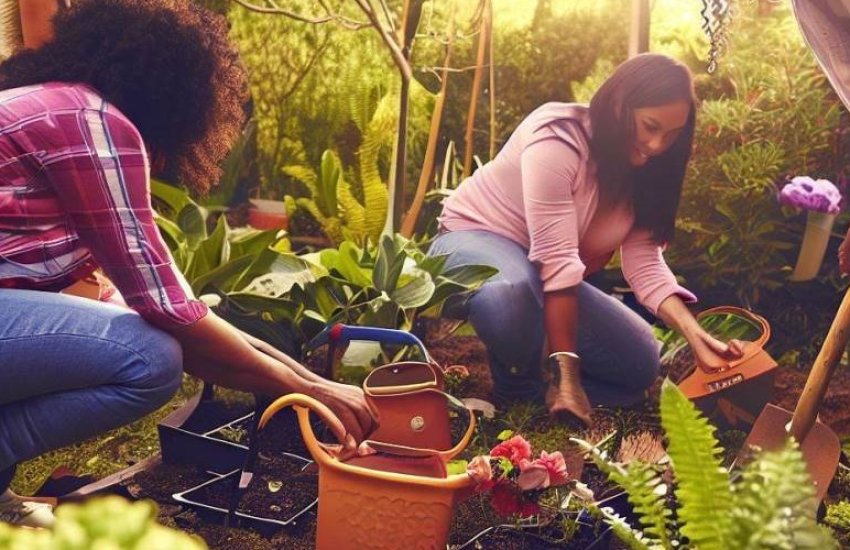
With just a bit of practical knowledge and the right tools, anyone can create a lush, vibrant garden space. Whether you're tending to houseplants, nurturing a vegetable patch, or crafting a backyard oasis, understanding a few fundamental tips can simplify the entire process. At GardenBotany.com, we're here to guide you every step of the way, making gardening enjoyable, stress-free, and accessible for everyone, from complete beginners to seasoned gardeners looking to perfect their green thumbs.
Latest Gardening Posts and Plant Care Tips
-

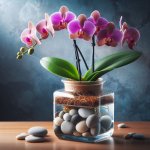
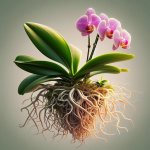
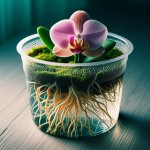
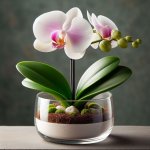
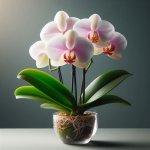
Can Phalaenopsis Orchids Grow Without Soil?
The elegant Phalaenopsis orchid, with its long-lasting, exotic blooms, is a popular houseplant. When you buy one, it typically comes potted in a chunky mix of bark or moss. But for many new orchid enthusiasts, this raises a fascinating question: Can Phalaenopsis orchids grow without soil? The answer, perhaps surprisingly to those used to traditional houseplants, is a resounding YES! Not only can they grow without soil, but in many ways, growing them "soil-less" or in specialized hydroponic setups actually mimics their natural habitat more closely and can lead to healthier, more robust plants.
-
Why Won’t My Phalaenopsis Orchid Bloom Again?
The moment you bring home a gorgeous Phalaenopsis orchid in full bloom, it feels like pure magic. Its elegant, long-lasting flowers add an undeniable touch of exotic beauty to any space. But then, the blooms eventually fade. You water it, you care for it, its leaves stay green, but months pass… and still no new flower spike. This leads to the frustrating and common question: Why won't my Phalaenopsis orchid bloom again?
-
How Frequently Do Phalaenopsis Orchids Need Watering?
Phalaenopsis orchids typically need watering every 7-10 days, but the exact frequency depends heavily on environmental factors like light, temperature, humidity, and the type of potting media. It's crucial to water when the roots appear silvery-green and the potting mix is nearly dry, rather than sticking to a strict schedule.
-
Advertisement
-
Why Are My Phalaenopsis Orchid Leaves Wrinkled?
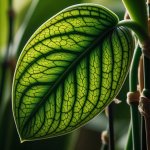
The Phalaenopsis orchid, with its elegant blooms and glossy, thick green leaves, is a staple in many homes. It’s a beautiful and surprisingly easy-care plant, making it a favorite for beginners. So, it can be quite alarming and disheartening when you notice your prized Phalaenopsis orchid leaves are wrinkled and look a bit shriveled. This isn't just an aesthetic issue; wrinkled leaves are a clear cry for help from your orchid, signaling that it’s under significant stress.
-
What’s the Best Way to Grow Phalaenopsis Orchids?
The Phalaenopsis orchid, often affectionately called the "Moth Orchid," has captivated plant lovers worldwide with its ethereal beauty and surprisingly long-lasting blooms. Once seen as a plant for expert growers only, the Phalaenopsis orchid has emerged as the perfect entry point into the enchanting world of orchids, proving that even beginners can keep these tropical beauties thriving and re-blooming year after year.
-
Phalaenopsis Orchid: The Queen of Easy Elegance
The Phalaenopsis orchid, often simply called the "Moth Orchid" due to its flower's resemblance to a moth in flight, is undoubtedly the most popular and widely recognized orchid in the world. Its graceful arching sprays of blooms, available in a dazzling array of colors and patterns, bring a touch of exotic elegance to any home. While orchids once had a reputation for being fussy and difficult to grow, the Phalaenopsis orchid has shattered that myth, proving to be surprisingly easy to care for, even for beginners.
-
How to Build a Garden Path Using Natural Materials?
Have you ever walked through a garden and felt completely at peace? Often, it's the subtle details that make all the difference. When it comes to garden paths, natural materials offer a beauty and charm that man-made options just can't match. They blend seamlessly with your landscape, creating a harmonious and inviting space. Think about it: a path made of local stone or wood chips feels so much more organic and welcoming than one made of concrete or asphalt.
-
Best Perennial Flowers for Low-Maintenance Gardens
Do you dream of a beautiful garden bursting with color, but the thought of constant weeding, watering, and replanting makes you sigh? You're not alone! Many gardeners want stunning blooms without becoming slaves to their spades. The good news is, a vibrant and thriving garden that demands minimal effort is entirely possible with the right plant choices. The secret lies in filling your beds with low-maintenance perennial flowers.
-
How to Grow Plants in Clay Soil Successfully?
To grow plants in clay soil successfully, the primary focus should be on improving soil structure to enhance drainage, aeration, and workability. This is best achieved by generously incorporating organic matter, which breaks up the dense clay particles and creates a more hospitable environment for plant roots.
-
Common Gardening Mistakes and How to Avoid Them
Gardening is a journey of learning, discovery, and constant adaptation. Every gardener, from seasoned pros to absolute beginners, makes mistakes. It's part of the process! What truly matters is learning from those errors and understanding how to avoid common gardening mistakes in the future. Often, a plant problem isn't due to a lack of "green thumb" but rather a simple misunderstanding of a plant's basic needs.