Gardening Doesn't Have to Be Complicated if You Know What You're Doing
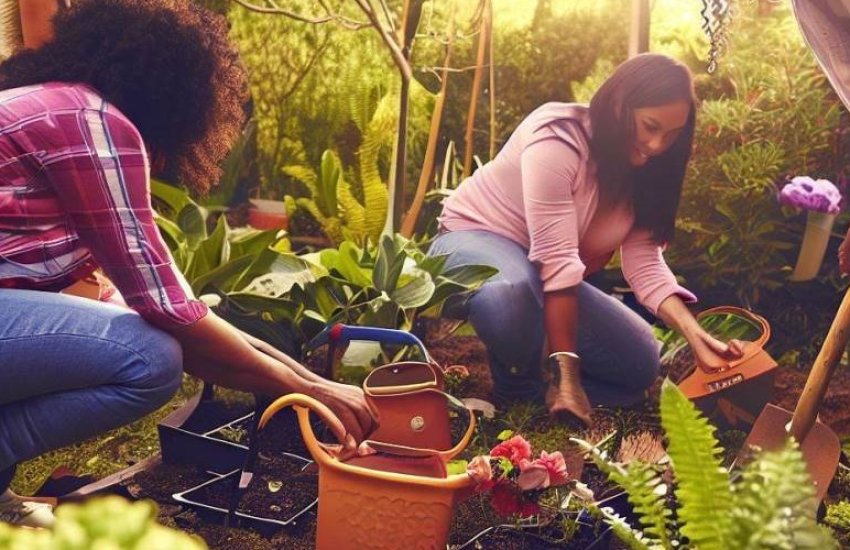
With just a bit of practical knowledge and the right tools, anyone can create a lush, vibrant garden space. Whether you're tending to houseplants, nurturing a vegetable patch, or crafting a backyard oasis, understanding a few fundamental tips can simplify the entire process. At GardenBotany.com, we're here to guide you every step of the way, making gardening enjoyable, stress-free, and accessible for everyone, from complete beginners to seasoned gardeners looking to perfect their green thumbs.
Latest Gardening Posts and Plant Care Tips
-

How to Grow Your Own Salad Greens at Home?
Imagine walking out to your garden, snipping a handful of crisp, vibrant lettuce leaves, and having them on your plate just minutes later. No trips to the grocery store, no worries about pesticides, and the freshest salad you've ever tasted! Growing your own salad greens at home is one of the easiest and most rewarding gardening projects, even for beginners.
-
How to Choose the Right Potting Mix for Container Plants?
So, you've got a beautiful new pot, a tiny seedling, and a scoop of rich, dark soil from your garden bed. It seems like a perfect match, right? Well, hold on a minute! While using garden soil might seem like the natural choice, it's actually one of the biggest mistakes new container gardeners make. Your lovely garden soil is just not designed for life in a pot, and understanding why is the first step to successful container gardening.
-
How to Make Organic Pesticides at Home?
Picture this: You walk out to your beautiful garden, excited to check on your plants, only to find them covered in tiny, munching pests. It’s a frustrating sight for any gardener! Your first thought might be to reach for a strong chemical spray to get rid of them. But wait! There's a better, safer way.
-
Advertisement
-
Ways to Use Coffee Grounds in the Garden
Are you a coffee lover? If so, you might be throwing away a hidden treasure every morning! Those used coffee grounds that end up in your trash can or garbage disposal are actually packed with good stuff for your garden. Instead of sending them to the landfill, you can give them a second life and watch your plants thank you for it.
-
The Benefits of Crop Rotation in Your Garden
Have you ever wondered why some parts of your garden seem to do better than others year after year, even when you plant the same things? Or maybe you've noticed that certain pests just won't go away? The answer might be crop rotation.
-
Should You Cut the Spike on a Phalaenopsis Orchid?
The magnificent Phalaenopsis orchid, with its long-lasting and elegant blooms, is a true showstopper. You marvel at its beauty for weeks, perhaps even months. But eventually, inevitably, the last flower fades and drops. Now you're left with a bare stalk – the flower spike – and a common question arises for many orchid owners: Should you cut the spike on a Phalaenopsis orchid?
-
How Do I Get My Phalaenopsis Orchid to Rebloom?
The moment you bring home a gorgeous Phalaenopsis orchid in full bloom, it feels like pure magic. Its elegant, long-lasting flowers add an undeniable touch of exotic beauty to any space. But then, the blooms eventually fade. You water it, you care for it, its leaves stay green, but months pass… and still no new flower spike. This leads to the frustrating and common question: How do I get my Phalaenopsis orchid to rebloom?
-
What Is the Best Temperature for Phalaenopsis Orchids?
The best temperature for Phalaenopsis orchids generally ranges from 65°F to 80°F (18°C to 27°C) during the day and ideally 60°F to 65°F (15°C to 18°C) at night. This day-to-night temperature fluctuation is crucial for triggering reblooming and promoting overall plant health.
-
Is My Phalaenopsis Orchid Getting Too Much Light?
If your Phalaenopsis orchid is getting too much light, its leaves will typically show signs of stress, such as yellowing, reddening, or a bleached appearance, often accompanied by sun scorch. These symptoms indicate that the plant is receiving excessive direct sunlight, which can quickly damage its delicate foliage and overall health.
-
How Do You Repot a Phalaenopsis Orchid Safely?
The majestic Phalaenopsis orchid is famous for its long-lasting, elegant blooms, making it a star in any home. But once those beautiful flowers fade, many new orchid owners find themselves wondering about the next crucial step in their plant's care: repotting. Unlike typical houseplants that grow in dense soil, Phalaenopsis orchids are epiphytes, meaning they thrive in loose, airy media that eventually breaks down. Knowing how to repot a Phalaenopsis orchid safely is essential for its long-term health and for encouraging it to re-bloom year after year.