Composting Gardening Tips and Plant Care
Composting is nature's way of recycling, turning everyday kitchen scraps and garden waste into rich, nutritious soil that plants love. Whether you're new to composting or looking to enhance your existing setup, GardenBotany.com offers easy-to-follow guides, practical tips, and solutions to common composting challenges. Discover how composting can significantly reduce household waste, improve your garden's health, and support a greener lifestyle—all while saving money and helping the environment thrive.
Recent Posts of Composting - Gardening Ideas
-

How Does Composting Impact Carbon Sequestration and Climate Change?
The conversation around climate change often focuses on big, sweeping changes in energy and industry. But sometimes, the most powerful solutions can be found closer to the ground – literally. What if a simple act you can do in your backyard, or at a community level, could play a role in fighting this global challenge? This is where composting enters the spotlight.
-
How Can I Integrate Composting with Permaculture Principles in My Garden?
You envision a garden that does more than just produce food; you dream of a vibrant, self-sustaining ecosystem, working in harmony with nature's rhythms. This vision often leads gardeners to explore permaculture principles, a design system for sustainable living. At the heart of any truly regenerative garden lies the efficient cycling of resources, and in the garden, no process embodies this better than composting.
-
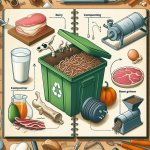
Can I Compost Dairy Products, Meat, and Bones?
Composting is a fantastic way to turn kitchen and yard waste into rich, dark material for your garden. It helps your plants grow strong and healthy. Most people know you can compost things like fruit peels, vegetable scraps, and leaves. But what about trickier items like dairy products, meat, and bones? These are often listed as "do not compost" in many basic guides. Why is that? And is there ever a way to compost them safely? Let's dig into the details.
-
Advertisement
-
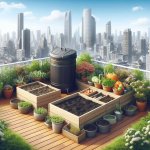
How Do I Create a Composting System for a Rooftop Garden in a City?
To create a composting system for a rooftop garden in a city, prioritize lightweight, enclosed, and efficient methods to handle kitchen and garden waste. Choose a compact composting unit, such as a worm bin or a small tumbling composter, and carefully manage the input materials to avoid odors and pests.
-
Environmental Benefits of Home Composting vs. Sending Waste to a Landfill
Every day, our kitchens and yards produce a surprising amount of organic waste, from fruit peels and vegetable scraps to grass clippings and fallen leaves. While it might seem easy to simply toss these materials into the trash, the reality is that their journey to a landfill carries a significant environmental cost. Understanding the profound environmental benefits of home composting vs. sending waste to a landfill reveals a powerful way for individuals to make a tangible positive impact. This guide will explore the stark differences between these two waste management approaches, highlighting why diverting your organic waste to a compost pile is one of the most effective actions you can take for a healthier planet.
-
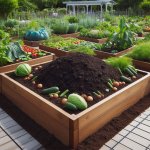
Can I Compost in a Raised Bed Garden, and How Do I Do It Efficiently?
The popularity of raised bed gardens has surged due to their myriad benefits, including better drainage, warmer soil, and reduced back strain. As gardeners become more focused on sustainable practices, a common question arises: can I compost in a raised bed garden, and how do I do it efficiently? The answer is a resounding yes! Integrating composting directly into your raised beds is an incredibly efficient and beneficial way to enrich your soil, recycle organic waste, and create a thriving, self-sustaining garden ecosystem. This guide will explore the methods and advantages of composting right where your plants grow.
-
What Are the Best Composting Practices for Regenerative Agriculture?
In the evolving landscape of sustainable food production, regenerative agriculture stands out as a powerful approach focused on rebuilding soil health and ecosystem vitality. At the heart of many regenerative practices lies composting, a natural process that transforms organic waste into a nutrient-rich soil amendment. Understanding what are the best composting practices for regenerative agriculture is crucial for farmers and gardeners looking to enhance soil fertility, improve water retention, and foster a thriving microbial community, all while creating a truly resilient agricultural system.
-
How Can I Compost in a Dry or Desert Climate Where Water is Scarce?
Composting in arid regions presents unique challenges, making it crucial to learn how can I compost in a dry or desert climate where water is scarce. While traditional methods rely on consistent moisture, adapting techniques to conserve every drop, manage intense heat, and utilize appropriate materials allows for successful organic waste transformation. By focusing on moisture retention and efficient system design, gardeners in water-limited areas can still create valuable soil amendments, enriching their gardens sustainably even under extreme conditions.
-
What is In-Vessel Composting, and Is It Suitable for Urban Areas?
Composting, the magical process of turning organic waste into rich, nutrient-filled soil amendment, has long been a cornerstone of sustainable gardening. However, for those living in bustling urban environments, traditional composting methods can pose a few challenges. Limited space, concerns about odors, and attracting pests often make open compost piles or even simple bins impractical. This is where a more controlled and often more efficient method comes into play: in-vessel composting.
-
How Can I Compost Food Waste in an Eco-Friendly Business or Office Environment?
Implementing strategies for composting food waste in an eco-friendly business or office environment represents a significant stride towards corporate sustainability and reduced environmental impact. Diverting organic refuse from landfills not only minimizes greenhouse gas emissions but also fosters a culture of environmental responsibility among employees. From simple collection systems to engaging educational programs, establishing an efficient and effective office composting program is a tangible way for any organization to champion eco-conscious practices and contribute positively to its community and the planet.