Composting Gardening Tips and Plant Care
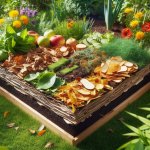
Composting is nature's way of recycling, turning everyday kitchen scraps and garden waste into rich, nutritious soil that plants love. Whether you're new to composting or looking to enhance your existing setup, GardenBotany.com offers easy-to-follow guides, practical tips, and solutions to common composting challenges. Discover how composting can significantly reduce household waste, improve your garden's health, and support a greener lifestyle—all while saving money and helping the environment thrive.
Recent Posts of Composting - Gardening Ideas
-

How to Prevent Overcrowding in Spanish Peanut Beds?
Growing your own Spanish peanuts can be an incredibly rewarding experience, offering a fresh, delicious harvest right from your garden bed. These hardy legumes produce their edible nuts underground, making their growth habit unique. However, like many garden plants, Spanish peanuts thrive when given adequate space. One common challenge new gardeners face is overcrowding, where too many plants are squeezed into a small area. This seemingly minor issue can significantly reduce your yield, promote diseases, and make your plants more susceptible to pests.
-
What Is the Best Fertilizer for Spanish Peanuts?
Growing Spanish peanuts can be a truly rewarding experience, offering up those delicious, small, and often reddish-skinned nuts right from your own garden. Unlike some garden plants that seem to grow anywhere, peanuts, and especially Spanish peanuts, have a few specific needs to really thrive and produce a good harvest. Getting the right fertilizer is one of the most important steps to ensure your plants are healthy, vigorous, and loaded with tasty peanuts. It's not just about tossing some general plant food on the ground; it's about understanding what these unique plants truly crave.
-
How Do I Maintain a Worm Farm for Continuous Vermicomposting?
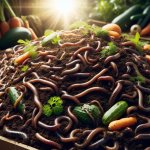
Starting a worm farm is a fantastic way to turn kitchen scraps into rich, nutrient-filled fertilizer for your plants. It's an eco-friendly practice that reduces waste and provides a continuous supply of "black gold" for your garden. But a worm farm isn't a "set it and forget it" system. Like any living ecosystem, it requires a bit of regular attention to thrive. Think of yourself as the caretaker of a bustling underground city.
-
Advertisement
-
How Can I Compost Manure Safely for Use in an Organic Garden?
For centuries, gardeners have recognized the immense value of manure as a potent natural fertilizer and soil amendment. Rich in essential nutrients and organic matter, it has the power to transform tired, unproductive soil into a vibrant, fertile foundation for robust plant growth. However, direct application of fresh manure to an organic garden comes with significant risks, potentially harming plants and posing health hazards. This is where the crucial process of composting manure steps in, unlocking its full potential while neutralizing its drawbacks.
-
Can I Compost Food Waste from Restaurants or Commercial Kitchens?
Managing organic refuse effectively is a growing challenge for businesses, and for restaurants and commercial kitchens, this often means dealing with substantial amounts of food scraps. The good news is that these seemingly waste materials can be transformed into a valuable resource through composting. Exploring the potential for composting food waste from restaurants or commercial kitchens offers a sustainable solution to reduce landfill burden, create nutrient-rich soil amendments, and even save on disposal costs. It's a practice that benefits both the environment and the bottom line, but it does come with its own set of considerations and requirements.
-
Role of Fungi in Composting & How to Encourage Fungal Growth in Your Pile
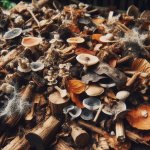
Composting is often thought of as a magical process, transforming kitchen scraps and garden waste into rich, dark "black gold" for your plants. While bacteria frequently get the spotlight as the primary decomposers, there's another crucial, often overlooked, group of microscopic workers that play an equally vital role: fungi. These fascinating organisms are the unsung heroes of the compost pile, quietly breaking down tough organic materials that other microbes struggle with.
-
How Do I Create a Composting System for a School or Educational Project?
Embarking on a composting project at a school offers a remarkable opportunity to transform waste into a valuable resource, all while providing an invaluable hands-on learning experience. Far more than just turning food scraps into soil amendment, a school composting system becomes a living laboratory, teaching students about environmental responsibility, nutrient cycles, waste reduction, and the fascinating world of soil microbes. It's a tangible way to connect abstract scientific concepts to real-world impact, fostering a deeper understanding of sustainability.
-
Can I Compost in Colder Climates, and What Are the Best Practices for Winter Composting?
As the days grow shorter and the temperatures drop, many gardeners start thinking about putting their tools away for the winter. But for those dedicated to enriching their soil and reducing waste, the question often arises: does composting have to stop when the snow flies? The good news is, absolutely not! Composting in colder climates is not only possible but can be a hugely rewarding practice that keeps your kitchen and garden waste out of landfills all year round. While the process might slow down a bit compared to the warmer months, the beneficial microbes are still there, just waiting for the opportunity to get back to work.
-
What is Lasagna Composting, and How Can It Benefit My Garden?
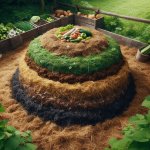
For gardeners seeking an accessible and effective method to enrich their soil, exploring what is lasagna composting offers a revolutionary approach to garden bed preparation and soil improvement. This unique, no-dig technique transforms organic waste into nutrient-dense planting areas by simply layering diverse materials, mimicking nature's own decomposition process. The benefits of this method extend from reduced labor to enhanced soil health, making it an attractive option for both novice and experienced growers.
-
How Can I Set Up a Compost System for a Large-Scale Garden or Farm?
For anyone managing a large-scale garden or a farm, the volume of organic waste generated, from crop residues and animal manures to landscaping debris, can be immense. Simply discarding these valuable materials is a missed opportunity, both environmentally and economically. Establishing an efficient compost system is not just an eco-friendly practice; it's a strategic agricultural tool that dramatically enhances soil health, reduces waste, and boosts overall productivity. If you've been wondering how can I set up a compost system for a large-scale garden or farm, you're on the path to transforming your organic "waste" into a powerful, sustainable resource. This comprehensive guide will explore the planning, methods, and management strategies essential for successful large-scale composting.