Composting Gardening Tips and Plant Care
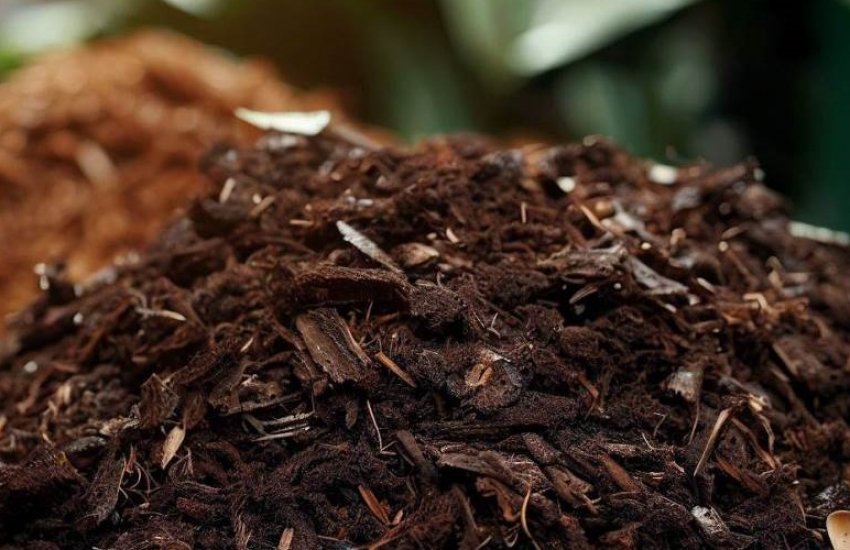
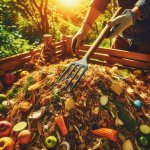
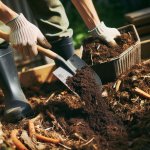
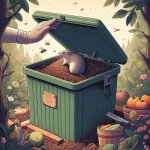
Composting is nature's way of recycling, turning everyday kitchen scraps and garden waste into rich, nutritious soil that plants love. Whether you're new to composting or looking to enhance your existing setup, GardenBotany.com offers easy-to-follow guides, practical tips, and solutions to common composting challenges. Discover how composting can significantly reduce household waste, improve your garden's health, and support a greener lifestyle—all while saving money and helping the environment thrive.
Recent Posts of Composting - Gardening Ideas
-

What is Bokashi Composting, and How Does It Differ from Traditional Methods?
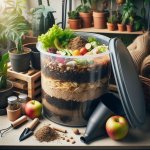
Diving into the world of alternative waste management techniques reveals fascinating new methods for enhancing garden soil, and one particularly innovative approach is Bokashi composting. This unique fermentation process, originating in Japan, offers a distinctive way to transform organic kitchen waste, differing significantly from traditional aerobic composting methods. Understanding how Bokashi works can revolutionize your approach to sustainable living, especially if space and odor are concerns.
-
How to Start Composting for a Community Garden?
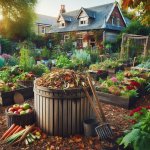
Establishing a thriving composting system for a community garden is a cornerstone of sustainable gardening, transforming organic waste into a valuable resource that nourishes the shared plots. This collective effort not only provides a continuous supply of rich, nutrient-dense compost but also fosters a deeper sense of environmental stewardship and community engagement among gardeners. Successfully initiating and maintaining such a system requires careful planning, clear communication, and a shared commitment to the principles of responsible waste management.
-
How can I incorporate composting into my gardening routine year-round?
To incorporate composting into your gardening routine year-round, establish a consistent system for collecting organic waste, balance "greens" and "browns" within your compost bin, and actively manage moisture and aeration to ensure continuous decomposition. This cyclical process enriches your garden soil sustainably season after season.
-
Advertisement
-
What should I do with compost that doesn't seem to be breaking down properly?
The journey of transforming kitchen scraps and yard waste into rich, dark compost is one of gardening's most rewarding experiences. It's like alchemy, turning seemingly useless organic matter into "black gold" that breathes life into your soil. For many gardeners, seeing that active pile heating up and gradually transforming is a satisfying sign that nature is hard at work. But sometimes, the magic seems to pause. You check your compost pile, and instead of a crumbly, earthy-smelling treasure, it's a stagnant, smelly, or stubbornly unchanged mess.
-
Can I compost pet waste like cat litter or dog feces?
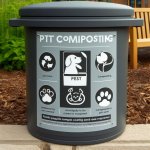
The desire to be more sustainable and reduce household waste often leads keen composters to eye every potential organic material for their pile, including what our beloved pets leave behind. It’s a logical thought: pet waste is organic, so why shouldn't it transform into rich, garden-boosting compost like kitchen scraps or yard trimmings? This question is more complex than it first appears, stirring debates among gardeners and environmentalists alike. While composting is a fantastic way to divert organic matter from landfills, not all organic materials are created equal, especially when it comes to safety.
-
What are some alternatives to traditional composting methods?
Exploring diverse options beyond conventional techniques for managing organic waste opens up a world of practical solutions, making it valuable to understand what are some alternatives to traditional composting methods. For those without the space for a large compost pile, facing limitations on materials, or simply seeking a different approach, a variety of innovative and effective strategies exist to transform kitchen scraps and yard trimmings into beneficial resources. These inventive approaches offer flexibility, convenience, and distinct advantages for turning organic matter into valuable amendments for gardens or for reducing landfill contributions.
-
How can I speed up the composting process for faster results?
Transforming kitchen scraps and yard waste into nutrient-rich soil amendment doesn't have to be a slow process. If you're wondering how can I speed up the composting process for faster results, this guide provides actionable strategies. By optimizing the key elements of decomposition, you can significantly reduce the time it takes to produce valuable "black gold" for your garden, turning waste into a resource more quickly and efficiently.
-
What are some creative ways to use compost beyond just in the garden?
The process of transforming kitchen scraps and yard waste into rich, dark, earthy material is truly remarkable. Compost, often called "black gold," is celebrated by gardeners for its incredible ability to nourish soil and boost plant growth. It's an essential part of healthy gardening, improving soil structure, providing nutrients, and helping plants thrive. For most people, the immediate thought when they hear "compost" is its direct use in garden beds, improving vegetable patches, or feeding flower borders.
-
How do I harvest and store compost for future use?
Composting is truly magical. It's the process of turning kitchen scraps, yard waste, and other organic materials into a rich, dark, nutrient-filled soil amendment that gardeners affectionately call "black gold." This amazing material, compost, breathes new life into your garden soil, making plants healthier, more productive, and less prone to disease. It's a fantastic way to recycle, reduce waste, and improve your garden all at once. But once you've nurtured your compost pile and watched it transform, the next big question arises: how do you know when it's ready, and what do you do with it then? Harvesting and storing your finished compost correctly ensures you get the most benefit from your efforts. Let's dig into the secrets of knowing when your compost is perfectly aged and how to keep it ready for your garden's needs.
-
Best Composting Methods to Avoid Attracting Pests like Rodents and Flies
Composting is an incredibly rewarding practice. It's a fantastic way to recycle your kitchen scraps and yard waste, turning them into nutrient-rich "black gold" for your garden. It reduces landfill waste, enriches your soil, and supports healthier plants. Many people are eager to start composting, but a common worry often holds them back: "Won't it attract pests like rodents and flies?" This concern is valid, as a poorly managed compost pile can indeed become an unwelcome buffet for critters.