Composting Gardening Tips and Plant Care
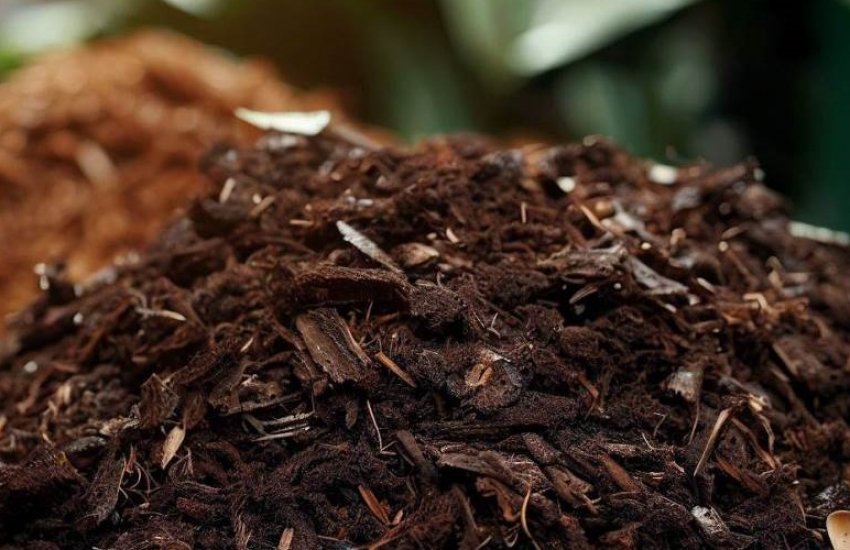
Composting is nature's way of recycling, turning everyday kitchen scraps and garden waste into rich, nutritious soil that plants love. Whether you're new to composting or looking to enhance your existing setup, GardenBotany.com offers easy-to-follow guides, practical tips, and solutions to common composting challenges. Discover how composting can significantly reduce household waste, improve your garden's health, and support a greener lifestyle—all while saving money and helping the environment thrive.
Recent Posts of Composting - Gardening Ideas
-

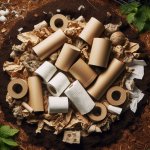
Can I compost paper towels and cardboard toilet paper rolls?
Composting is a cornerstone of sustainable living for many gardeners and environmentally conscious households. It's a powerful way to reduce waste and create nutrient-rich material for your garden. While the benefits of composting kitchen scraps and yard trimmings are widely known, you might find yourself wondering about other common household items. Specifically, can those used paper towels from wiping up spills, and the ever-present cardboard toilet paper rolls, find a new life in your compost pile? The short answer is often a resounding yes, but with important conditions for each! Understanding these nuances can significantly boost your compost's health and divert even more waste from landfills.
-
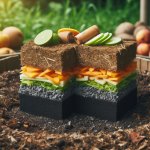
How do I maintain a healthy balance of carbon and nitrogen in my compost pile?
Composting is like baking a cake. You need the right ingredients in the right amounts for it to turn out perfectly. In composting, the two main "ingredients" are carbon and nitrogen. These two elements are vital because they are the food for the tiny workers in your compost pile – the microbes. These microbes break down all your kitchen scraps and yard waste into rich, dark compost. If you get the carbon-nitrogen balance wrong, your compost pile can become a slow, smelly mess, or just sit there doing nothing. Getting this balance right is the secret to fast, efficient, and odor-free outdoor composting. It’s the cornerstone of successful compost management.
-
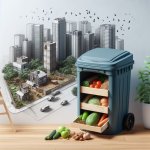
Is it possible to compost in an apartment or without outdoor space?
Many people think that composting is only for those with a big backyard and a sprawling garden. They picture large outdoor bins, piles of decaying leaves, and a slightly earthy smell. If you live in an apartment or a small home with no outdoor space, you might feel like composting is out of reach. But that's simply not true! You absolutely can compost, even without a traditional garden. In fact, indoor composting methods are incredibly effective, surprisingly clean, and a fantastic way to reduce your waste and create valuable soil amendments. It's all about choosing the right method for your living situation and understanding the basics of decomposition. Getting started with indoor composting can be a fun and rewarding way to make a big difference for the environment, all from the comfort of your kitchen or balcony.
-
Advertisement
-
What are the benefits of adding biochar to my compost pile?
For generations, gardeners have understood the transformative power of compost, turning kitchen scraps and yard waste into nutrient-rich "black gold" that breathes life into tired soil. It's a cornerstone of organic gardening, improving soil structure, boosting fertility, and fostering a thriving ecosystem beneath the surface. However, a relatively new player has emerged in the world of soil amendments, promising to supercharge the benefits of traditional composting: biochar. This fascinating material, a form of charcoal produced through a special low-oxygen burning process, has been quietly revolutionizing sustainable agriculture and holds immense potential for the home gardener.
-
How do I use compost tea to fertilize my plants?
For gardeners seeking to nurture their plants in the most natural and sustainable way possible, the concept of feeding the soil rather than just the plant has gained immense popularity. While traditional fertilizers provide direct nutrients, they often neglect the crucial living component of healthy soil: its microbial inhabitants. This is where compost tea enters the picture, transforming ordinary compost into a liquid gold for your garden. It’s a method that promises to revitalize your plants from the ground up, fostering a thriving ecosystem beneath the surface.
-
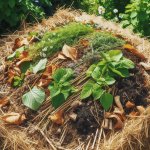
Can I compost weeds and invasive plants without spreading them in my garden?
You've spent hours diligently weeding your garden, pulling up stubborn dandelions, persistent bindweed, or maybe even tenacious Japanese knotweed. Now you're left with a sizable pile of unwanted plant material, and the environmentalist in you wonders: "Can I compost weeds and invasive plants without spreading them in my garden?" It's a fantastic question, driven by a desire to reduce waste and enrich your soil.
-
What is vermicomposting and how can I set up a worm bin?
We all want to be more eco-friendly, and one great way to do that is by reducing the amount of waste we send to landfills. Kitchen scraps, like fruit peels and vegetable trimmings, make up a big part of our daily trash. Instead of throwing them away, what if you could turn them into something super valuable for your plants? That's where vermicomposting comes in. It might sound a bit fancy, but it's really just a simple, natural process where special worms do all the hard work for you.
-
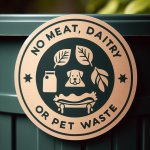
Are there any materials that should never be composted?
Composting is like magic for your garden. It takes kitchen scraps and yard waste and turns them into a rich, dark, nutrient-filled soil amendment that gardeners call "black gold." It's great for the environment, reducing waste that goes into landfills, and it's fantastic for making your plants healthy and happy. But just like a good recipe, composting works best when you use the right ingredients. Not everything that can rot should go into your compost bin. Adding the wrong materials can cause problems like bad smells, attract pests, or even harm your plants. So, while it's tempting to throw everything organic into the pile, knowing what to avoid is just as important as knowing what to include. This guide will reveal the materials that should never be composted and explain why, helping you create the cleanest, healthiest compost for your thriving garden.
-
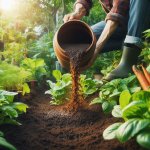
How can I use compost to improve the health of my soil and plants?
For any gardener, the dream is to have thriving, vibrant plants that produce bountiful harvests or stunning blooms. We often focus on what we feed our plants directly, like fertilizers, but the true secret to long-term garden success lies beneath the surface: in the soil. Healthy soil isn't just dirt; it's a living ecosystem, teeming with beneficial microorganisms and rich in organic matter. And when it comes to enriching this vital foundation, nothing quite compares to compost.
-
What's the difference between hot composting and cold composting?
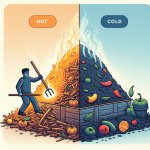
Composting is like magic for your garden. It takes kitchen scraps, leaves, and other organic bits, and turns them into a super-rich, dark, earthy material called compost that makes your plants incredibly happy. It's a fantastic way to reduce waste, improve your soil, and save money on fertilizers. But if you've ever looked into composting, you might have heard terms like "hot composting" and "cold composting" and wondered what the difference is. Are they completely different methods, or just variations of the same idea?