Composting Gardening Tips and Plant Care
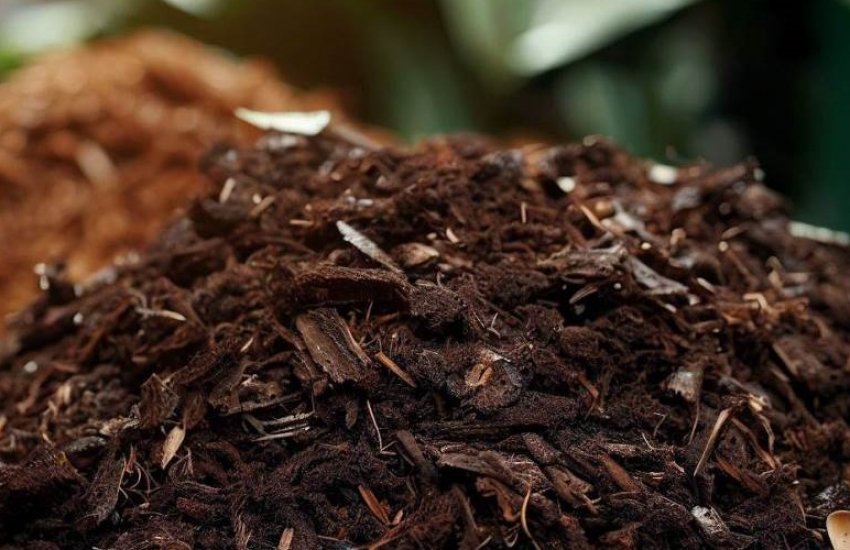
Composting is nature's way of recycling, turning everyday kitchen scraps and garden waste into rich, nutritious soil that plants love. Whether you're new to composting or looking to enhance your existing setup, GardenBotany.com offers easy-to-follow guides, practical tips, and solutions to common composting challenges. Discover how composting can significantly reduce household waste, improve your garden's health, and support a greener lifestyle—all while saving money and helping the environment thrive.
Recent Posts of Composting - Gardening Ideas
-

Can I compost kitchen scraps like citrus peels and onion skins?
Composting is an incredible way to reduce waste, enrich your garden soil, and connect more deeply with the cycle of nature. If you're a home gardener or just someone looking to live more sustainably, a compost bin is a fantastic addition to your yard. You probably already know that fruit and vegetable scraps are prime candidates for the compost pile. But what about those specific kitchen scraps that sometimes cause a bit of debate among composters, like citrus peels and onion skins? Can these pungent and sometimes tough bits truly break down and contribute to your "black gold"? The answer is yes, with a few simple considerations!
-
How do I troubleshoot common composting problems like bad odors or slow decomposition?
You've embarked on the rewarding journey of composting, eagerly adding kitchen scraps and yard waste to your bin, dreaming of rich "black gold" for your garden. But then, it happens. Instead of smelling like fresh earth, your compost pile emits a foul odor. Or perhaps weeks turn into months, and your heap seems stubbornly inert, refusing to break down. These are common frustrations, and you're left wondering, "How do I troubleshoot common composting problems like bad odors or slow decomposition?"
-
What are the best composting methods for small spaces or urban gardens?
Living in a city or having a compact living space often comes with its own unique challenges, and gardening is no exception. While the dream of a sprawling backyard compost pile might be out of reach, that doesn't mean you have to miss out on the incredible benefits of composting. Every kitchen generates food scraps, and even a small balcony garden or a few houseplants can benefit immensely from the nutrient-rich "black gold" that compost provides. The good news is that composting isn't just for large properties; there are many clever and efficient methods perfectly suited for small spaces, urban dwellers, and apartment living.
-
Advertisement
-
How long does it take for compost to be ready for use in the garden?
Making your own compost is like magic for a gardener. You take old food scraps and yard waste, and over time, they turn into a rich, dark material that makes plants grow wonderfully. It’s a bit like turning trash into treasure. This "black gold" improves soil, helps plants get nutrients, and even keeps diseases away. Plus, it's a fantastic way to reduce waste from your home and garden. Instead of throwing things away, you're giving them a new purpose.
-
What can I compost? A comprehensive guide to compostable materials
You've probably heard the buzz about composting – turning kitchen scraps and yard waste into rich, dark "black gold" for your garden. It sounds amazing, a truly sustainable way to reduce waste and boost your plants. But then comes the big question: "What can I compost?" Do banana peels go in? What about old bread? And can I really throw in cardboard?
-
How do I start a compost pile in my backyard?
Every gardener knows the secret to a thriving garden: rich, healthy soil. And the very best way to get that dark, crumbly, nutrient-filled "black gold" is by making your own compost. Imagine turning your kitchen scraps and yard waste into something amazing that boosts your flowers, vegetables, and lawn. It's great for your plants, great for your wallet, and great for the planet! But if you're new to it, starting a compost pile in your backyard might seem a bit daunting. Don't worry, it's easier than you think. Let's break down how to start your very own compost pile step by step.
-
What is composting and why is it important for gardeners?
You gaze at your kitchen scraps – vegetable peels, coffee grounds, uneaten fruit – destined for the trash. You look out at your yard – fallen leaves, grass clippings, spent garden plants – gathered for disposal. What if these "wastes" weren't waste at all? What if they were gold, "black gold," waiting to be transformed into the most powerful amendment for your garden? This transformation is the magic of composting.
-
Transform Your Yard Waste into Garden Gold: Essential Strategies Revealed
Every gardener, whether a seasoned pro or a curious beginner, knows the struggle: the endless pile of yard waste. It starts innocently enough with a few fallen leaves. Then, suddenly, you have a mountain of grass clippings, pruned branches, and spent annuals. But what exactly is yard waste? Simply put, it's any organic material that comes from your garden or landscape. This includes leaves, grass clippings, small branches, shrub trimmings, dead plants, and even weeds (though we'll talk about smart weed handling later!).
-
Wiggle Your Way to Rich Soil: The Art of Worm Composting Unveiled!
Transforming kitchen scraps and garden waste into a powerhouse soil amendment might sound like magic, but it's a very real and incredibly effective process called worm composting. Also known as vermicomposting, this method harnesses the incredible power of specialized worms to break down organic materials, creating a super-rich, nutrient-dense fertilizer known as worm castings. It's an accessible and environmentally friendly way to reduce waste, improve your garden's health, and contribute to a more sustainable lifestyle.
-
From Stable to Soil: Mastering Horse Manure Composting Techniques
The aroma of the stable, a mix of hay and horse, is a familiar comfort to many equestrians. But what about the less fragrant byproduct of our equine friends? Horse manure, often seen as a waste product, is actually a hidden treasure, a powerful natural resource waiting to transform your garden. This rich organic material, when properly managed, can become a cornerstone of a healthy and vibrant landscape, feeding your soil and your plants in a truly sustainable way.