Composting Gardening Tips and Plant Care
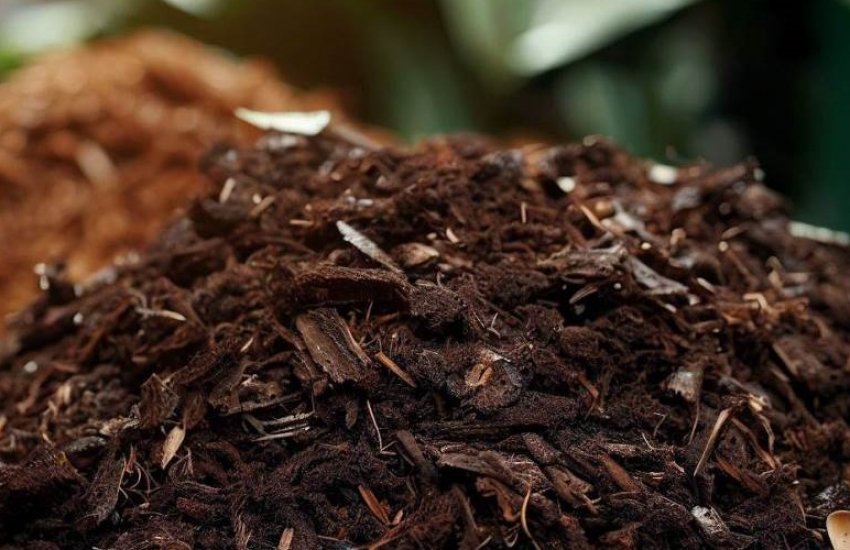
Composting is nature's way of recycling, turning everyday kitchen scraps and garden waste into rich, nutritious soil that plants love. Whether you're new to composting or looking to enhance your existing setup, GardenBotany.com offers easy-to-follow guides, practical tips, and solutions to common composting challenges. Discover how composting can significantly reduce household waste, improve your garden's health, and support a greener lifestyle—all while saving money and helping the environment thrive.
Recent Posts of Composting - Gardening Ideas
-

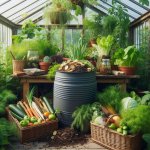
What Are the Best Practices for Composting in a Greenhouse Environment?
Composting is an ancient art, transforming kitchen scraps and garden waste into nutrient-rich garden gold. But bringing this process inside a greenhouse offers some unique advantages. A greenhouse is a controlled environment, meaning you can manage warmth and moisture more easily, which are key ingredients for successful composting.
-
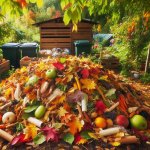
How Can I Use Composting to Manage and Reduce Garden Waste During the Fall Season?
As the vibrant colors of summer give way to the crisp air and changing leaves of autumn, gardeners find themselves facing a new set of tasks. The garden, once bursting with life, slowly begins its retreat, leaving behind a bounty of spent plants, fallen leaves, and other organic matter. For many, this marks the beginning of the annual garden cleanup, often resulting in piles of "waste" destined for the curb or the landfill. But what if there was a way to transform this perceived waste into a valuable resource, enriching your garden for seasons to come?
-
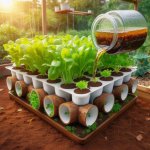
What Are the Benefits of Using Compost in Hydroponic or Aquaponic Systems?
Hydroponics and aquaponics are cutting-edge ways to grow plants without soil, using nutrient-rich water. They're often seen as highly technical, modern farming methods that rely on precise chemical solutions. And for many traditional systems, that's absolutely true. You mix synthetic nutrients into water, and plants thrive. But what if there was a way to make these advanced systems even more natural, more sustainable, and potentially healthier for your plants and the environment?
-
Advertisement
-
How Can I Set Up a Composting System for a Farm-to-Table Restaurant?
The allure of a farm-to-table restaurant lies in its commitment to fresh, locally sourced ingredients and a sustainable ethos. Diners appreciate knowing where their food comes from and that the establishment cares about its environmental impact. But the journey from farm to table often stops abruptly at the table's edge, where uneaten food and kitchen scraps become waste. For a truly sustainable farm-to-table model, the cycle shouldn't end there.
-
What Role Does Compost Play in Sustainable Landscaping Practices?
Our landscapes, whether they are small home gardens or large public parks, have a big impact on the environment. How we design and care for these outdoor spaces can either help or harm the planet. For a long time, traditional landscaping often meant using lots of water, chemical fertilizers, and generating a lot of waste. But more and more, people are realizing there's a better way: sustainable landscaping. This approach focuses on working with nature, not against it, to create beautiful and healthy outdoor spaces that use fewer resources and cause less pollution.
-
How Can I Compost Fish and Seafood Waste Safely and Effectively?
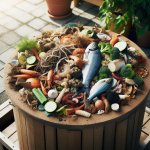
Composting is an amazing way to turn kitchen scraps and yard waste into rich, dark soil that can work wonders for your garden. Most gardeners are familiar with composting fruit and vegetable peels, coffee grounds, and leaves. But what about fish and seafood waste? This often gets put in the "don't compost" pile due to concerns about smell and pests.
-
What Is Compost Extract, and How Can It Be Used to Boost Plant Growth?
Gardening often feels like a constant effort to feed our plants and keep them healthy. We hear a lot about compost, and how amazing it is for soil. But what if there was a way to get all that goodness from compost in a liquid form, something you could easily water or spray onto your plants? That's exactly where compost extract comes into play. It's like a liquid gold for your garden, packed with beneficial microbes and nutrients that can give your plants a significant boost.
-
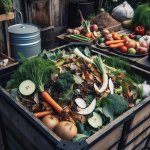
How Can I Create a Compost System That Accommodates Both Kitchen Scraps and Yard Waste?
Turning your everyday kitchen leftovers and garden trimmings into rich, dark soil is a bit like magic. It’s a process where waste transforms into treasure, giving your plants the nutrients they crave. This isn't just about shrinking your trash can; it's about building healthier soil, reducing the need for chemical fertilizers, and fostering a thriving ecosystem right in your backyard. The journey from apple cores and fallen leaves to crumbly, earthy goodness is simpler than you might think, and it offers incredible rewards for any gardener, big or small.
-
What Are the Benefits of Composting for Soil Health in Vineyard Management?
In the world of viticulture, the quality of the grape harvest is profoundly linked to the health of the soil. Vineyard managers understand that healthy vines producing exceptional fruit are not just about sunlight and water; they begin deep underground, in the living earth. While synthetic fertilizers have long been a common practice, a growing number of vineyards are turning to a more ancient, yet increasingly vital, technique: composting.
-
How Can I Use Composting to Support Pollinator Health in My Garden?
Imagine a world without apples, almonds, blueberries, or even coffee. Sounds pretty bleak, right? Well, a significant chunk of the food we eat, and the beautiful flowers we enjoy, wouldn't exist without pollinators. These incredible creatures, like bees, butterflies, hummingbirds, and even some beetles and moths, play a vital role in our ecosystem. They move pollen from one flower to another, allowing plants to produce fruits, seeds, and the next generation of plants. This process is called pollination, and it's essential for biodiversity and our food supply.