Composting Gardening Tips and Plant Care
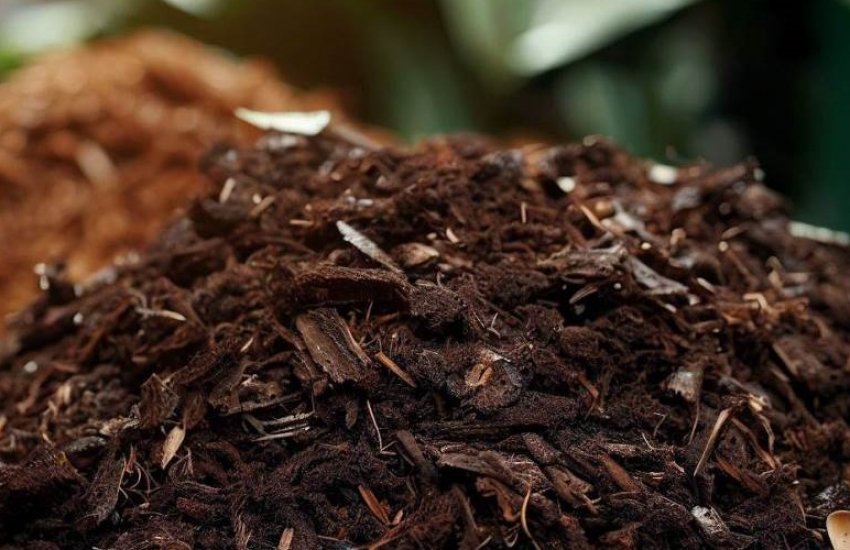
Composting is nature's way of recycling, turning everyday kitchen scraps and garden waste into rich, nutritious soil that plants love. Whether you're new to composting or looking to enhance your existing setup, GardenBotany.com offers easy-to-follow guides, practical tips, and solutions to common composting challenges. Discover how composting can significantly reduce household waste, improve your garden's health, and support a greener lifestyle—all while saving money and helping the environment thrive.
Recent Posts of Composting - Gardening Ideas
-

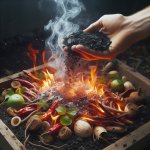
Embers of Enrichment: Fireplace Ashes as Compost Boosters!
There's something deeply satisfying about a crackling fire on a cold evening. Whether it's in a cozy fireplace, a rustic wood-burning stove, or an outdoor fire pit, the warmth and ambiance are unmatched. But what do you do with the leftover ashes once the flames die down? Instead of simply tossing them in the trash, savvy gardeners see a hidden treasure: fireplace ashes can be a fantastic compost booster and a valuable soil amendment! However, it's not as simple as dumping all ashes into your compost pile. Understanding the right kind of ashes to use and how to use them safely is key to harnessing their compost potential.
-
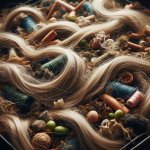
Hair Today, Soil Tomorrow: Pet and Human Hair in Composting!
Have you ever swept up a pile of hair from your bathroom floor or brushed a massive amount of fur off your beloved pet and wondered, "Can this go somewhere other than the trash?" If you're a gardener or a composting enthusiast, the answer might surprise and delight you! Yes, that hair and fur, whether from humans or our furry friends, is a fantastic addition to your compost pile. It's a surprising source of nutrients, helps divert waste from landfills, and contributes to rich, healthy soil for your plants. Forget throwing it away – let's talk about turning "hair today" into "soil tomorrow" by diving into the magic of composting hair!
-
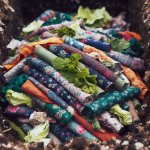
Fabric to Fertility: Transforming Fabric Scraps into Compost!
Do you love sewing, crafting, or simply dealing with old clothes? If so, you probably end up with a pile of fabric scraps. What happens to them? Often, they end up in the trash, destined for a landfill. But what if there was a way to give those seemingly useless bits of cloth a new life, enriching your garden in the process? Get ready to discover the fascinating world of transforming fabric scraps into compost! This isn't just a quirky idea; it's a powerful way to reduce textile waste, enrich your soil, and contribute to a more sustainable lifestyle. Imagine your old cotton t-shirt helping your tomatoes grow! It's an act of "fabric to fertility," turning waste into a valuable resource for a thriving garden.
-
Advertisement
-
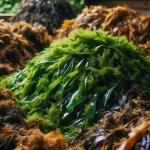
Oceanic Offerings: Harnessing Seaweed's Compost Magic!
Harnessing seaweed's compost magic transforms ordinary garden waste into an extraordinary soil amendment, infusing your beds with a wealth of trace minerals, growth hormones, and beneficial compounds. This oceanic offering supercharges your compost, leading to remarkably healthier plants, improved soil structure, and more abundant harvests.
-
Pining for Compost Perfection: The Needle on Pine Needles!
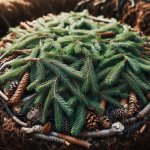
If you're lucky enough to live near pine trees, you know the annual deluge. Come autumn, those beautiful, fragrant needles drop, sometimes covering your lawn and garden beds in a thick, golden-brown carpet. As a gardener, you might look at this abundance and wonder, "Can I compost pine needles? Or are they too acidic? Do they break down?"
-
Hay There! Unraveling the Role of Hay in Compost Enrichment!
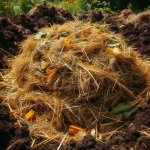
For many gardeners, composting is a core practice. It's the magical process that transforms kitchen scraps and yard waste into rich, dark "black gold" – a powerhouse for healthy soil and thriving plants. While many focus on food waste and leaves, one often-overlooked hero in the compost pile is hay. More than just animal feed, hay can play a crucial role in compost enrichment, offering unique benefits that contribute to a balanced, active, and nutrient-rich finished product. But what kind of hay is best? How do you use it? And what should you watch out for? Let's unravel the secrets of hay in your compost.
-
Chipper Chores: How Wood Chips Work Wonders in Your Compost!
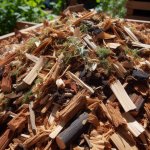
If you've ever had a tree trimmed, a shrub removed, or even just cleaned up some fallen branches, you know that dealing with woody debris can be a chore. Hauling it away seems like the only option, right? Not anymore! For savvy gardeners, these "waste" materials are actually hidden treasures, especially when transformed into wood chips. And these wood chips aren't just for pathways or mulching; they can work absolute wonders in your compost pile!
-
Sawdust Secrets: The Untreated Wood Wonder in Composting!
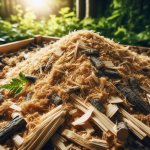
If you've ever tackled a woodworking project, built a new raised garden bed, or even just done some serious pruning, you've probably ended up with a pile of sawdust. For many, this finely ground wood is just waste, destined for the trash or bonfire. But what if this seemingly humble byproduct holds a powerful secret for your garden? What if it's actually a hidden gem for your compost pile?
-
Straw-tastic Composting: Unraveling the Benefits of Straw in Your Pile!
If you're a gardener or simply someone interested in reducing waste and improving your soil, you've probably heard about composting. It's the amazing process of turning organic waste into rich, dark, nutrient-filled "black gold" for your plants. But achieving that perfect, earthy-smelling compost often involves balancing different ingredients – specifically, "greens" (nitrogen-rich materials) and "browns" (carbon-rich materials). And when it comes to browns, one material stands out as a true superstar: straw!
-
Paper Towels to Plant Power: Composting Unbleached, Chemical-Free!
We all use paper towels in our daily lives. From wiping up spills to drying hands, they're incredibly convenient. But what happens to them after just one use? Most often, they end up in the trash, heading straight to a landfill. This creates a lot of waste. If you're someone who loves to compost and reduce your environmental footprint, you might wonder: can I compost paper towels? The answer is a resounding yes, but with some important conditions! Turning your used paper towels into rich, plant power for your garden is a fantastic way to close the loop on waste.