Composting Gardening Tips and Plant Care
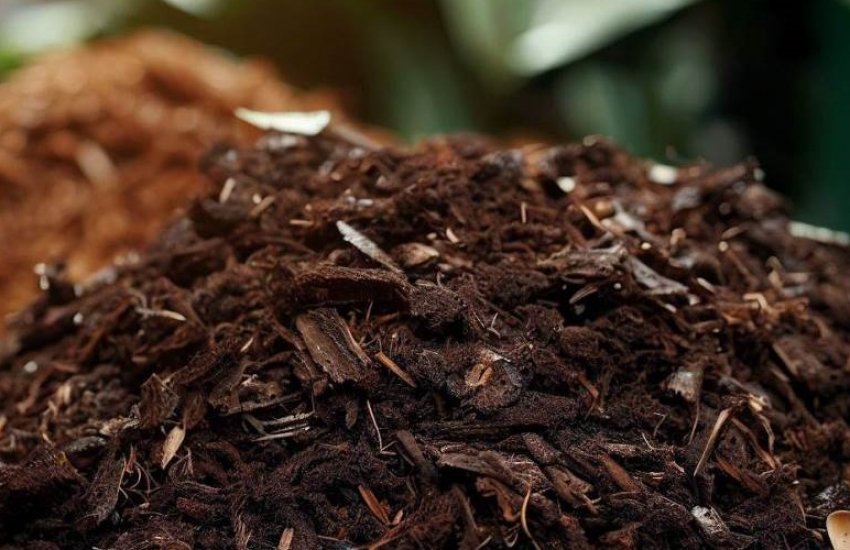
Composting is nature's way of recycling, turning everyday kitchen scraps and garden waste into rich, nutritious soil that plants love. Whether you're new to composting or looking to enhance your existing setup, GardenBotany.com offers easy-to-follow guides, practical tips, and solutions to common composting challenges. Discover how composting can significantly reduce household waste, improve your garden's health, and support a greener lifestyle—all while saving money and helping the environment thrive.
Recent Posts of Composting - Gardening Ideas
-

How to Compost Sawdust Without Throwing Off Balance?
You can successfully compost sawdust without throwing off the balance of your compost pile by understanding its high carbon content and properly supplementing it with nitrogen-rich "greens." Sawdust is a valuable brown material for composting, but it requires careful management to break down efficiently.
-
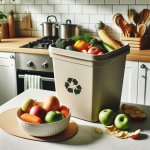
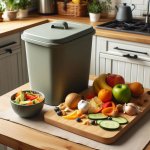
How to Prevent Odors in Kitchen Compost Bins?
To prevent odors in kitchen compost bins, the most effective strategy is to manage moisture levels, ensure good airflow, and maintain a balanced mix of "greens" and "browns." A well-managed kitchen compost bin should not smell foul, making the composting process clean and convenient.
-
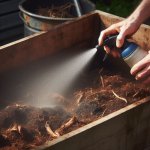
How to Fix a Compost Bin That’s Too Dry?
To fix a compost bin that's too dry, the most effective approach is to gradually add water while turning the pile, aiming for the moisture consistency of a wrung-out sponge. You'll also want to incorporate more "green" materials and improve moisture retention.
-
Advertisement
-
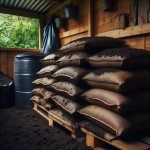
How to Store Finished Compost for Future Use?
To store finished compost for future use, ensure it is fully mature, then maintain optimal moisture levels (damp but not wet) and good aeration in a protected, shaded location. Proper storage methods, such as bins, bags, or piles, prevent nutrient loss, maintain beneficial microbial activity, and keep your "black gold" ready for enriching your garden.
-
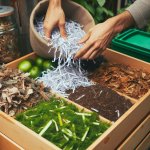
How to Use Shredded Paper in Composting Effectively?
If you're like many households, you probably have a mountain of paper piling up, especially after bills and junk mail arrive. While recycling is a good option, did you know that shredded paper is also a fantastic addition to your compost bin? It's a readily available, free resource that can greatly benefit your compost pile and, ultimately, your garden. But knowing how to use shredded paper in composting effectively is key to turning it into valuable "black gold" without causing issues. This guide will clarify the do's and don'ts, ensuring your compost thrives.
-
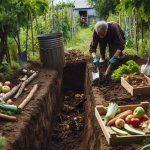
What Are the Pros and Cons of Trench Composting?
Composting is a cornerstone of sustainable gardening, transforming kitchen scraps and yard waste into nutrient-rich "black gold" for your plants. While many gardeners are familiar with compost bins and piles, there's another fascinating and often overlooked method: trench composting. This technique involves burying organic materials directly into your garden beds. It might sound unconventional, but trench composting offers unique advantages, particularly for certain gardening situations. However, like any method, it comes with its own set of drawbacks. Understanding the pros and cons of trench composting will help you decide if this hidden gem is the right fit for your garden.
-
Can You Compost Citrus Peels? Myths vs Facts
After enjoying a juicy orange or squeezing a lemon for your tea, you might pause before tossing the peels into your compost bin. A common question among aspiring and experienced composters alike is: Can you compost citrus peels? You might have heard warnings about their acidity, pest-attracting qualities, or slow decomposition. It's time to separate the myths vs. facts about composting citrus! The good news is, for most home composters, citrus peels are a perfectly fine, even beneficial, addition to your "black gold" factory. This guide will clarify the common concerns and show you how to compost citrus effectively without issues.
-
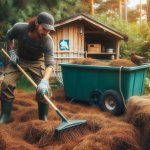
How to Compost Pine Needles and Avoid Acid Issues?
If you live near pine trees, you know the struggle: fallen pine needles seem to be everywhere! While they might look like a nuisance, these needles are actually a fantastic resource for your compost pile. They're free, abundant, and packed with carbon. However, a common concern for gardeners is the belief that pine needles are too acidic for compost and will make your garden soil too sour. Good news! You absolutely can compost pine needles, and with a few simple strategies, you can avoid acid issues in your finished compost. This guide will show you how to turn that mountain of needles into valuable "black gold" for your garden.
-
How to Compost Coffee Filters Without Issues?
For many of us, the morning ritual isn't complete without a fresh cup of coffee. But after the brew, what happens to the grounds and, more importantly, the coffee filter? Tossing them in the trash feels wasteful, especially if you're trying to live a more sustainable lifestyle. The good news is, you absolutely can compost coffee filters! They're a fantastic addition to your compost pile, but knowing a few tips can help them break down smoothly without issues. This guide will walk you through the simple steps to effectively compost coffee filters, turning your morning brew waste into garden gold.
-
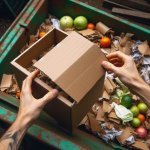
Can You Compost Cardboard Boxes? A Simple Guide
If you're an avid online shopper or just a regular household, you probably have a mountain of cardboard boxes piling up. While recycling is great, an even better option for your garden (and the environment!) is to learn how to compost cardboard boxes. Yes, you absolutely can! Cardboard is a fantastic addition to your compost pile, offering valuable carbon and structure. This guide will walk you through everything you need to know about composting cardboard, turning those bulky boxes into nutrient-rich "black gold" for your plants.