Composting Gardening Tips and Plant Care
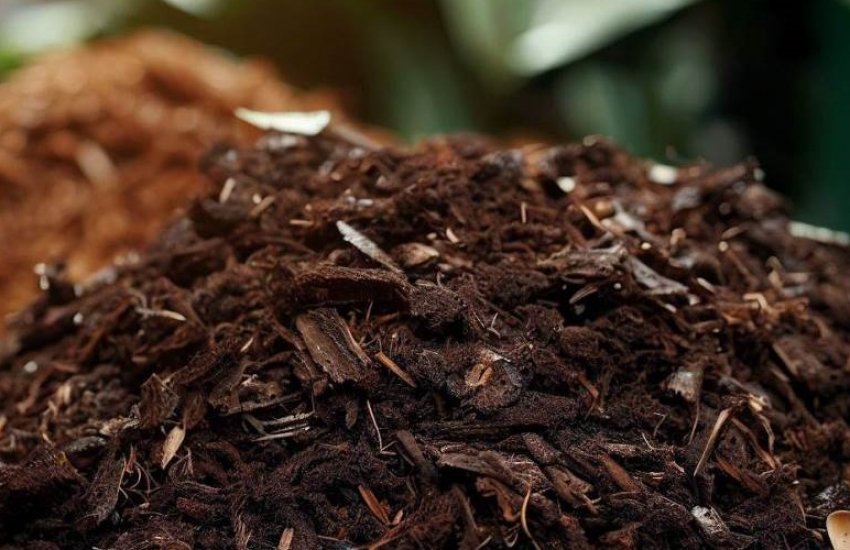
Composting is nature's way of recycling, turning everyday kitchen scraps and garden waste into rich, nutritious soil that plants love. Whether you're new to composting or looking to enhance your existing setup, GardenBotany.com offers easy-to-follow guides, practical tips, and solutions to common composting challenges. Discover how composting can significantly reduce household waste, improve your garden's health, and support a greener lifestyle—all while saving money and helping the environment thrive.
Recent Posts of Composting - Gardening Ideas
-

Can I compost coconut husks and shells?
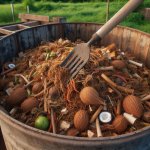
If you enjoy fresh coconuts, you know that once you've cracked them open and enjoyed the delicious water and flesh, you're left with a tough, fibrous husk and a hard, woody shell. Many gardeners and compost enthusiasts look at these leftovers and wonder: Can I compost coconut husks and shells? It's a great question, as turning kitchen and garden waste into rich, dark compost is a fantastic way to nourish your plants and reduce landfill waste.
-
How to Build a Garden Path Using Natural Materials?
Have you ever walked through a garden and felt completely at peace? Often, it's the subtle details that make all the difference. When it comes to garden paths, natural materials offer a beauty and charm that man-made options just can't match. They blend seamlessly with your landscape, creating a harmonious and inviting space. Think about it: a path made of local stone or wood chips feels so much more organic and welcoming than one made of concrete or asphalt.
-
How to Tell If Your Compost Is Too Acidic?
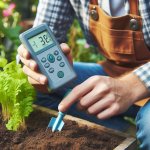
To tell if your compost is too acidic, you'll primarily use a pH test kit for accurate measurement. Other indicators include a persistently slow decomposition rate, an unusual or sour odor, and an abundance of specific fungi.
-
Advertisement
-
Best Containers for Indoor Food Scrap Composting
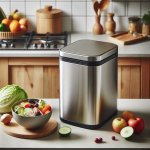
The best containers for indoor food scrap composting are typically airtight kitchen counter bins for temporary storage, or larger specialized systems like worm composting bins (vermicomposting) and Bokashi buckets for active decomposition. Each type offers distinct advantages in managing odors and accelerating the breakdown of organic waste in an indoor environment.
-
How to Make Compost with No Smell in Urban Areas?
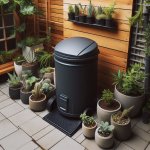
Composting is a cornerstone of sustainable living, turning kitchen scraps and yard waste into nutrient-rich "black gold" for your plants. But if you live in an urban area with close neighbors, limited space, or perhaps a small patio, the thought of starting a compost bin often comes with a big concern: smell. Nobody wants to be that neighbor whose compost pile makes the whole block wrinkle their nose! The good news is, you absolutely can make compost with no smell in urban areas. It all comes down to understanding the science of odor and implementing smart, proactive composting practices. This guide will show you how to keep your compost fresh and your neighbors happy.
-
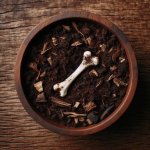
Can You Compost Animal Bones? A Beginner’s Guide
After a delicious meal, you're left with chicken bones, fish skeletons, or maybe a beef rib. As a composting enthusiast, your first thought might be: "Can these go in the compost bin?" The question of can you compost animal bones is a common one, and it often leads to conflicting advice. While many composting guides warn against them, the truth is, it is possible to compost bones, but it's not always simple, especially for beginners or in standard home compost bins. This guide will provide a beginner's understanding, separating myths from facts, and outlining the best methods and precautions for adding bones to your compost.
-
How to Use Compost Accelerators Safely and Effectively?
To use compost accelerators safely and effectively, understand their specific type (microbial or nutrient-based), apply them according to package directions, ensure proper compost pile conditions (moisture, aeration, carbon-to-nitrogen balance), and prioritize safety measures like wearing gloves and avoiding inhalation. These products boost microbial activity, speeding up decomposition.
-
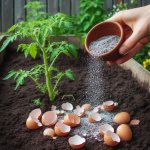
How to Compost Eggshells for Better Calcium in Soil?
Every time you crack an egg, you're left with a perfect little package of garden potential: the eggshell. While many people toss them in the trash, eggshells are a fantastic, free, and natural source of calcium for your garden. But simply throwing whole shells into your compost bin won't unlock their full benefits. Knowing how to compost eggshells for better calcium in soil effectively is key to turning this common kitchen waste into a powerful plant fortifier. This guide will explain the benefits, debunk myths, and provide simple steps to make your eggshells a superstar amendment for your garden.
-
Can You Compost Bread Without Attracting Mold?
That stale bread, leftover toast, or forgotten bagel often ends up in the trash. But for environmentally conscious gardeners, the question arises: Can you compost bread? You might worry about it attracting mold, pests, or becoming a clumpy, smelly mess. The good news is, with the right techniques, you absolutely can compost bread without attracting mold or other common composting issues! Bread is a "green" (nitrogen-rich) material that can be a valuable addition to your compost pile when handled correctly. This guide will separate the myths from the facts and show you how to successfully turn bread waste into garden gold.
-
The Role of Fungi in Healthy Compost Piles
Fungi play an absolutely essential role in healthy compost piles by acting as primary decomposers, especially of tough, woody materials. They break down complex organic matter that bacteria often struggle with, transforming it into nutrient-rich compost.