Composting Gardening Tips and Plant Care
Composting is nature's way of recycling, turning everyday kitchen scraps and garden waste into rich, nutritious soil that plants love. Whether you're new to composting or looking to enhance your existing setup, GardenBotany.com offers easy-to-follow guides, practical tips, and solutions to common composting challenges. Discover how composting can significantly reduce household waste, improve your garden's health, and support a greener lifestyle—all while saving money and helping the environment thrive.
Recent Posts of Composting - Gardening Ideas
-

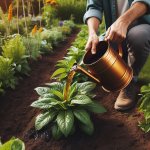
Why Compost Tea is Great for Plant Health?
Imagine giving your garden a concentrated shot of pure health and vitality, a liquid gold that brings life to your soil and strength to your plants. That's essentially what compost tea is! It's not just regular compost mixed with water; it's a brewed liquid extract teeming with the beneficial microorganisms and soluble nutrients found in finished compost. Think of it as a probiotic drink for your garden, delivering a living boost directly to your plants and their root zones.
-
Can I compost natural fiber clothes or cotton scraps?
Have you ever looked at a pile of old T-shirts, worn-out jeans, or fabric scraps from a sewing project and wondered if there was a better way to get rid of them than just throwing them in the trash? Good news! For many natural fiber clothes and cotton scraps, the answer is a resounding yes – you can often compost them! This is a fantastic way to reduce waste, keep usable materials out of landfills, and create something valuable for your garden: rich, nutrient-filled compost.
-
Is it okay to compost cooked vegetables with oil or seasoning?
After a delicious meal, you're left with a handful of leftover cooked vegetables – maybe some roasted broccoli, a spoonful of sautéed greens, or a few seasoned potato chunks. As a dedicated composter, you instantly wonder, "Can I compost cooked vegetables with oil or seasoning?" This is a common question, as many composting guides caution against adding fats, oils, and sometimes even seasoned foods to the compost pile.
-
Advertisement
-
Can I compost expired herbs and spices?
You're cleaning out your pantry, and you come across those old spice jars – dried basil from three years ago, a mysterious blend that's lost its scent, or a bag of whole peppercorns that never got used. They're past their prime for cooking, but the composting question pops into mind: Can I compost expired herbs and spices? It's a valid query for any gardener looking to reduce waste and enrich their soil.
-
Should I compost moldy bread and baked goods?
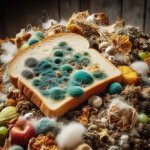
You open the bread bag, and there it is: fuzzy green or white patches marring what was once a perfectly good loaf. Or maybe that leftover muffin has seen better days. For keen composters, a common question pops up: Should I compost moldy bread and baked goods? It's a natural inclination to want to keep these food items out of the trash and turn them into garden gold.
-
Can I compost vacuum cleaner dust and hair?
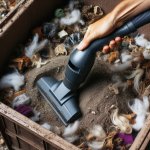
After a good clean, you're often left with a surprising amount of dust, fluff, and hair in your vacuum cleaner's bin. For those dedicated to zero waste and sustainable living, the question naturally arises: Can I compost vacuum cleaner dust and hair? It's a curious thought, and the answer, like many things in composting, is "it depends," but often, yes!
-
What’s the best way to compost leftover rice and grains?
We've all been there: a pot of rice that was just a bit too much, or a forgotten bowl of quinoa from yesterday's dinner. Instead of tossing these leftovers in the trash, many eco-conscious folks wonder, "Can I compost leftover rice and grains?" It's a great question, as diverting food waste from landfills is a cornerstone of sustainable living.
-
Can I compost bamboo leaves and garden stakes?
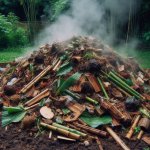
If you have bamboo in your garden, whether it's growing vigorously or you use bamboo stakes for your plants, you've probably wondered what to do with the trimmings and old stakes. Bamboo sheds a lot of leaves, and stakes eventually wear out. The question then becomes: Can I compost bamboo leaves and garden stakes?
-
How do I compost spoiled milk and dairy waste safely?
You've cleaned out your fridge, and there it is: that carton of milk that went sour, or a bit of yogurt past its prime, maybe some cheese rinds. If you're into composting, your first thought might be, "Can this go in the compost bin?" Many gardeners are told to avoid dairy products in their compost, and for good reason if not done correctly. But here's the secret: with the right approach, you can actually compost spoiled milk and dairy waste safely and turn it into rich, valuable compost for your garden.
-
Is it safe to compost avocado pits and skins?
Avocados are a popular and delicious fruit, enjoyed in everything from guacamole to salads. But after you've scooped out the creamy green flesh, you're left with a large, hard pit and a thick, often dark skin. If you're a keen composter, you've probably wondered: Is it safe to compost avocado pits and skins? And if so, what's the best way to do it?