Gardening Gardening Tips and Plant Care

Gardening is more than just planting seeds—it's a rewarding journey filled with growth, learning, and the joy of nurturing life. In our Gardening category at GardenBotany.com, you'll discover practical tips, step-by-step guides, and expert advice to help you cultivate thriving plants, whether you're growing vibrant flowers, delicious vegetables, or lush greenery. From understanding plant care basics to mastering advanced gardening techniques, we simplify the process so you can confidently create and maintain a beautiful, healthy garden, season after season.
Recent Posts of Gardening - Gardening Ideas
-

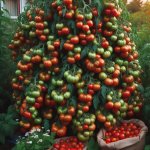
Top Organic Fertilizers for Bountiful Tomatoes
Growing a backyard full of juicy, flavorful tomatoes is a dream for many gardeners, and achieving that dream often relies on providing your plants with the right nutrients. While various feeding options exist, focusing on organic fertilizers offers a sustainable and beneficial approach to soil health and plant vitality. These natural inputs work with the soil's ecosystem, fostering a living environment that supports robust growth and abundant harvests. Understanding the specific needs of these popular fruits and how different organic amendments contribute to their development is key to cultivating a successful patch. This guide will explore the various options available, helping you choose the best organic fertilizer for tomatoes and ensuring your plants receive everything they need to produce a delicious yield.
-
What fruits are best for vertical gardening?
Vertical gardening is a brilliant solution for maximizing growing space, especially in urban environments, small backyards, or even indoors. It involves growing plants upwards rather than outwards, utilizing structures like walls, fences, trellises, and stacked containers. While many vegetables and herbs thrive in vertical setups, the question of what fruits are best for vertical gardening requires careful consideration. The ideal fruit plants for vertical growing are typically those with a compact growth habit, vining nature, or those that can be easily trained and pruned to fit vertical structures.
-
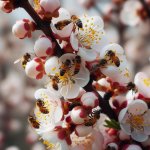
How do I encourage more flowers on my fruit plants?
Encouraging more flowers on your fruit plants is a key goal for any gardener hoping for a bountiful harvest. Flowers are the foundation of fruit production; without them, there can be no fruit. The quantity and quality of blossoms are direct indicators of your fruit plant's health and its potential yield. While some factors are out of our control (like extreme weather), many aspects of a fruit plant's environment and care can be optimized to stimulate a profusion of blooms.
-
Advertisement
-
Can citrus trees survive indoors year-round?
Yes, citrus trees can survive indoors year-round, and many varieties can even thrive and produce fruit in the right indoor environment. While citrus plants are native to warm, subtropical, and tropical climates, dedicated indoor gardeners in cooler regions have successfully grown them as attractive, fragrant, and sometimes fruit-bearing houseplants. The key to their year-round indoor survival and health lies in consistently meeting their specific environmental needs, which differ from typical houseplant care.
-
What is the best mulch for fruit plants?
Choosing the best mulch for fruit plants is one of the most impactful decisions you can make for the health and productivity of your orchard or garden. Mulch is not just for aesthetics; it's a powerful tool that significantly improves soil health, conserves water, regulates soil temperature, and suppresses weeds, all of which directly benefit your fruit trees and berry bushes. While many materials can be used as mulch, organic mulches are generally superior for fruit plants because they break down over time, enriching the soil.
-
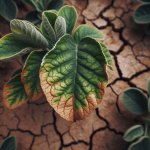
How do I tell if a fruit tree needs more water?
Knowing how to tell if a fruit tree needs more water is one of the most fundamental skills for any gardener or orchardist. Proper watering is absolutely essential for the health, growth, and fruit production of your trees. While too little water can stress a tree and lead to poor yields or even death, too much water can also cause serious problems like root rot. The key is to learn to read the subtle (and sometimes not so subtle) signs your tree is giving you, and to understand its watering needs based on its age, type, and environment.
-
What fruits can be grown from kitchen scraps?
Growing fruits from kitchen scraps is a fascinating and rewarding way to reduce food waste, teach about plant life cycles, and potentially cultivate new plants for your home or garden. While you might not achieve a commercially viable harvest from every scrap, many common fruits can sprout and grow into viable plants from their seeds, pits, or even cuttings. This process is often called regrowing kitchen scraps or food scrap gardening. It’s an exciting experiment that can lead to beautiful houseplants, provide fresh herbs, or, with patience and the right conditions, even produce fruit.
-
How do I protect my fruit trees from birds?
Protecting your fruit trees from birds is a common challenge for many home gardeners and orchardists. While birds can be beneficial in consuming insect pests, their appetite for ripe fruit, especially cherries, berries, and stone fruits, can quickly decimate an entire crop. The good news is that there are many effective and humane ways to deter birds without harming them or resorting to harsh measures. The most reliable methods focus on exclusion, creating physical barriers that prevent birds from reaching the fruit, combined with deterrents that scare them away or make your trees less appealing.
-
Can I grow apples without pesticides?
Yes, you absolutely can grow apples without pesticides, but it requires a dedicated and proactive approach. While commercial apple farming often relies heavily on chemical sprays to manage pests and diseases, home growers and organic orchards have proven that it's possible to cultivate healthy, delicious apples using a variety of organic and sustainable methods. The key lies in understanding the apple tree's ecosystem, preventing problems before they start, and employing integrated pest management (IPM) strategies that focus on natural solutions rather than chemical interventions.
-
What is the best way to prune grapevines?
Pruning grapevines is the most critical task for ensuring healthy growth, managing vine vigor, and achieving consistent, high-quality fruit production. Without proper pruning, grapevines can become overgrown, produce little fruit, or yield grapes of poor quality. The best way to prune grapevines involves understanding the vine's growth habits, identifying productive wood, and making precise cuts during the dormant season. The primary goal of pruning is to balance vegetative growth (leaves and shoots) with reproductive growth (fruit).