Gardening Gardening Tips and Plant Care
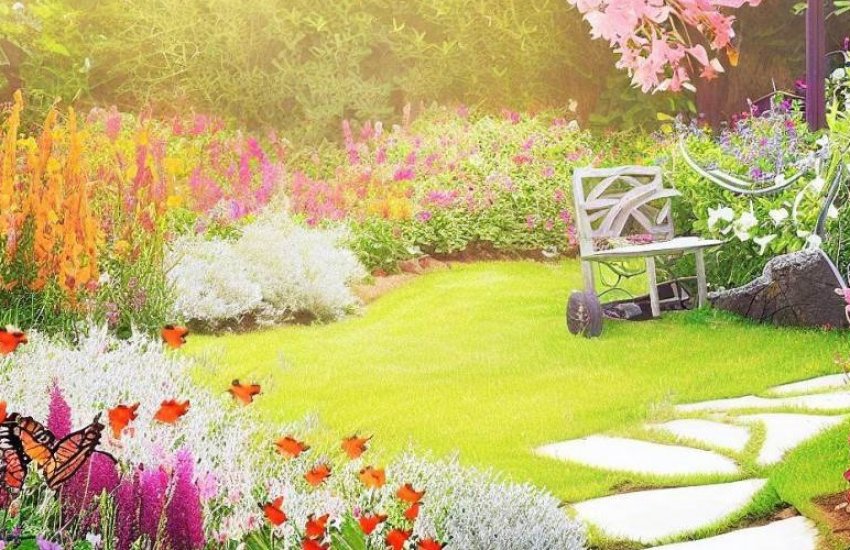
Gardening is more than just planting seeds—it's a rewarding journey filled with growth, learning, and the joy of nurturing life. In our Gardening category at GardenBotany.com, you'll discover practical tips, step-by-step guides, and expert advice to help you cultivate thriving plants, whether you're growing vibrant flowers, delicious vegetables, or lush greenery. From understanding plant care basics to mastering advanced gardening techniques, we simplify the process so you can confidently create and maintain a beautiful, healthy garden, season after season.
Recent Posts of Gardening - Gardening Ideas
-

How to Save Seeds from Your Vegetable Garden for Next Year?
Gardening is a rewarding experience, offering fresh produce, relaxation, and a deeper connection with nature. One of the best ways to extend the fruits of your labor is to save seeds from your vegetable garden for the next growing season. By doing so, you not only save money but also preserve the traits of your favorite plants. Additionally, saved seeds can gradually become better adapted to your local conditions, leading to a more resilient garden over time.
-
What Are the Signs of Nutrient Deficiency in Vegetable Plants?
The signs of nutrient deficiency in vegetable plants often manifest as changes in leaf color, stunted growth, or poor fruit development. Recognizing these visual cues early is crucial for diagnosing and correcting the problem to ensure a healthy harvest.
-
How Can I Improve Soil Drainage in My Vegetable Garden?
Improving soil drainage in a vegetable garden is essential for ensuring that your plants thrive. Poor drainage can lead to several issues, including root rot, stunted growth, and diseases that can severely harm your crops. Luckily, there are several ways to enhance soil drainage in your vegetable garden without making it a complicated process.
-
Advertisement
-
What is Crop Rotation and Why is It Important for Vegetable Gardens?
Crop rotation is an essential practice in sustainable agriculture and gardening, particularly when it comes to growing vegetables. By systematically changing the types of crops grown in a specific area over different growing seasons, crop rotation helps promote soil health, prevent diseases, manage pests, and increase yields. In this blog, we will explore the key aspects of crop rotation and why it is so crucial for vegetable gardens.
-
How to Extend the Growing Season for Your Vegetable Garden?
You can extend your vegetable garden's growing season by protecting plants from early and late frosts and optimizing their growing conditions. This involves using various season extension techniques and understanding your local climate.
-
The Best Organic Fertilizers for Vegetable Gardens
The best organic fertilizers for vegetable gardens focus on enhancing long-term soil health and providing a slow, steady release of nutrients, rather than just feeding the plant directly. Key options include compost, aged manures, worm castings, and various plant- and animal-derived meals.
-
How to Start a Vegetable Garden in a Shaded Area?
Starting a vegetable garden in a shaded area is entirely possible by selecting the right shade-tolerant crops, maximizing available light, and enhancing soil quality. While full sun (6+ hours) is ideal for most vegetables, many leafy greens, root vegetables, and herbs can thrive with less.
-
What Vegetables Can I Grow in a Small Backyard Vegetable Garden?
A small backyard vegetable garden can yield an impressive harvest if you select the right crops. Even with limited space, you can cultivate a wide variety of vegetables that thrive in compact environments. Choosing the right crops ensures that your garden is productive and that you have fresh, organic vegetables all year round. Below, we'll explore the best vegetables to grow in a small backyard, offering tips on how to maximize your space and resources.
-
How Do I Successfully Grow Roses in My Flower Garden?
Successfully growing roses in your flower garden involves choosing the right rose varieties, providing ample sunlight, and maintaining consistent care. It's about understanding their specific needs from planting to pruning.
-
Common Pests and Diseases That Affect Huckleberry Plants
Huckleberries, cherished for their sweet-tart flavor and numerous health benefits, are native wild berries found in various parts of North America. Growing huckleberry plants in your garden can be incredibly rewarding, but like other fruit-bearing plants, they are vulnerable to several pests and diseases. Protecting these plants requires awareness of the potential problems they might face, allowing you to take preventive measures and maintain their health.