Houseplants Gardening Tips and Plant Care
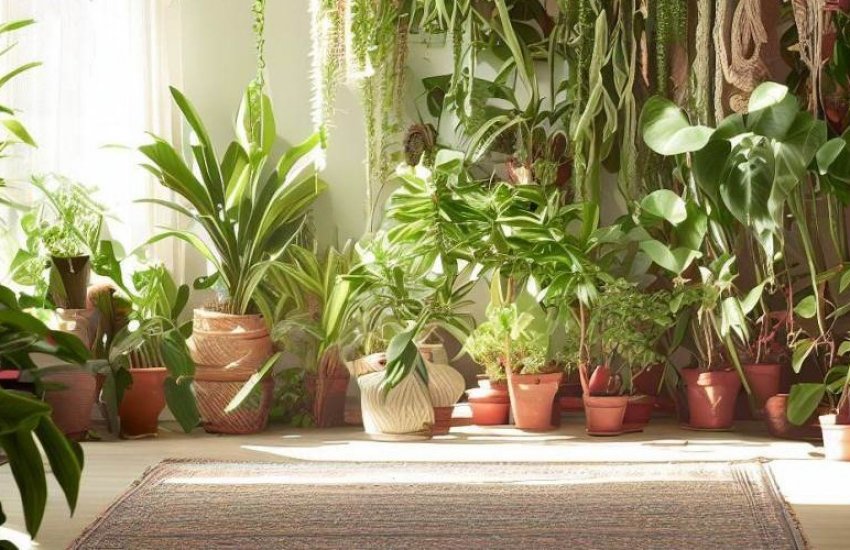
Houseplants bring life, beauty, and fresh air into your home, creating vibrant spaces that uplift your mood and enhance your decor. In our Houseplants category at GardenBotany.com, you'll find easy-to-follow guides and practical tips for choosing, growing, and caring for indoor plants, whether you're a first-time plant parent or a seasoned indoor gardener. Discover the best plants for your space, troubleshoot common issues like pests or watering problems, and learn proven techniques to keep your houseplants thriving, healthy, and beautiful all year round.
Recent Posts of Houseplants - Gardening Ideas
-

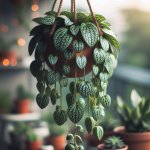
How do I care for a string of turtles (Peperomia prostrata)?
If you're a plant lover, chances are you've seen or heard of the adorable String of Turtles, also known as Peperomia prostrata. This plant has captured hearts all over the world with its unique and charming appearance. It's a true gem for any plant collection, especially for those who love delicate trailing plants.
-
Is Peperomia safe for dogs?
Bringing plants into your home adds beauty, freshness, and a touch of nature. But if you share your living space with a furry friend, especially a curious dog, a crucial question always pops up: is this plant safe for my dog? Dogs, with their inquisitive noses and occasional chewing habits, can easily get into plants. And sadly, many common houseplants are actually toxic to dogs. This means choosing dog-safe plants is super important for their health and your peace of mind.
-
What are the best cat-safe trailing houseplants?
If you're a plant parent and a cat parent, you know the struggle is real! You want to fill your home with beautiful greenery, but your curious feline friend often sees your plants as tempting toys or tasty snacks. Many common houseplants are actually toxic to cats, meaning they can cause mild to severe health problems if ingested.
-
Advertisement
-
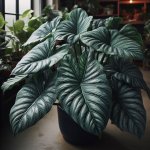
Why is my Calathea orbifolia curling its leaves?
The Calathea orbifolia is undeniably one of the most stunning houseplants. Its large, round leaves, adorned with intricate patterns of broad silvery-green stripes, make it a true living work of art. Often called a "Prayer Plant" (though technically a close relative), Calatheas are known for their fascinating habit of raising and lowering their leaves in response to light, a process called nyctinasty. This movement adds to their allure. However, despite their beauty, Calathea orbifolia can be quite particular, and one of the most common and alarming signs of distress is when your Calathea orbifolia starts curling its leaves.
-
What’s the best humidity level for Alocasia Polly?
The Alocasia Polly is a true showstopper among houseplants. With its dramatic, arrow-shaped, dark green leaves and strikingly contrasting silvery-white veins, it's often called the "African Mask Plant" or "Elephant Ear." Its unique beauty makes it a highly sought-after addition to any plant collection. However, many Alocasia Polly owners quickly learn that while this plant is gorgeous, it can also be a bit fussy. One of the most common challenges, and a key to its thriving, revolves around a single environmental factor: humidity.
-
How to propagate Begonia maculata from leaf cuttings?
If you've spent any time looking at houseplants, you've likely come across the stunning Begonia maculata, also known as the Polka Dot Begonia or Spotted Begonia. It's a true showstopper with its unique and eye-catching foliage.
-
What’s the right light for a Scindapsus treubii Moonlight?
You've probably seen it on social media, or maybe you just brought one home: the stunning Scindapsus treubii Moonlight. It's a plant that instantly grabs your attention with its unique foliage. But what exactly is this plant, and what makes it so special?
-
How do I care for a Stephania erecta tuber indoors?
You've probably seen pictures of it: a round, woody bulb, often sitting on top of the soil, with delicate, coin-shaped leaves unfurling on a slender vine. That's the Stephania erecta! This unique plant is a real head-turner and a favorite among rare plant collectors. But what exactly is it?
-
What is causing my Anthurium flowers to turn green?
You bought an Anthurium because of its amazing, colorful "flowers," right? Those shiny, heart-shaped parts that come in red, pink, white, or even purple are super eye-catching. But here's a little secret: those aren't actually the true flowers!
-
How do I water an African violet from the bottom?
You've got an African violet, and it's beautiful! But have you ever wondered how to keep it looking its best? One of the biggest secrets to a happy, healthy African violet is how you water it. Forget the old way of pouring water on top. We're going to talk all about bottom-watering.