Houseplants Gardening Tips and Plant Care
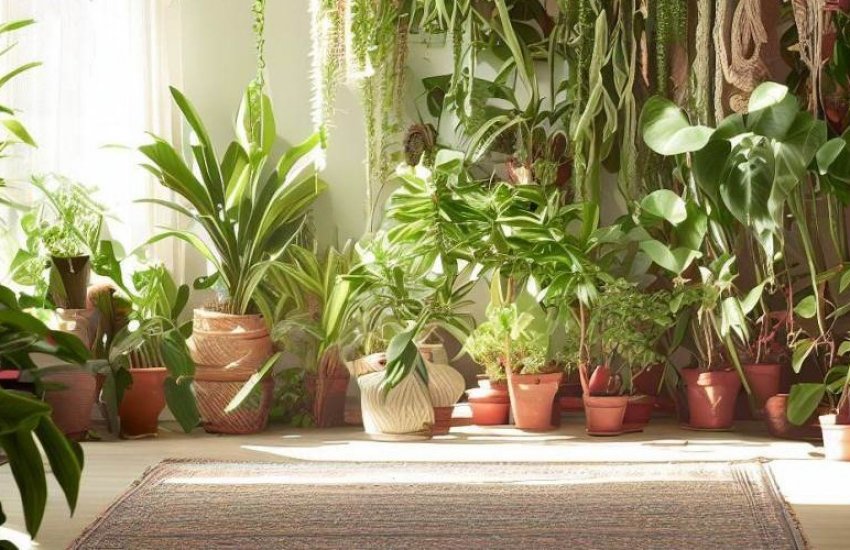
Houseplants bring life, beauty, and fresh air into your home, creating vibrant spaces that uplift your mood and enhance your decor. In our Houseplants category at GardenBotany.com, you'll find easy-to-follow guides and practical tips for choosing, growing, and caring for indoor plants, whether you're a first-time plant parent or a seasoned indoor gardener. Discover the best plants for your space, troubleshoot common issues like pests or watering problems, and learn proven techniques to keep your houseplants thriving, healthy, and beautiful all year round.
Recent Posts of Houseplants - Gardening Ideas
-

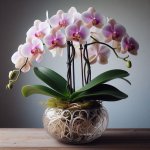
Why are my orchid buds falling off before blooming?
You've successfully coaxed your Phalaenopsis orchid to grow a beautiful flower spike, and you're eagerly awaiting the stunning blooms. The buds are plump and promising, a sign of imminent beauty. Then, to your dismay, one by one, they start to turn yellow, shrivel, and drop off – sometimes even before they've had a chance to open. This frustrating phenomenon is known as bud blast, and it's a common, albeit disheartening, problem for orchid enthusiasts.
-
How do I rebloom a Phalaenopsis orchid?
You bought a beautiful Phalaenopsis orchid (also known as a moth orchid), and it graced your home with its stunning, long-lasting blooms. But then the flowers dropped, the stem turned brown, and now you're left with just green leaves. Many people get an orchid, enjoy its initial show, and then give up when it stops blooming, thinking they're too hard to rebloom. The good news? You absolutely can rebloom a Phalaenopsis orchid! In fact, they are one of the easiest orchids to get to flower again with the right care.
-
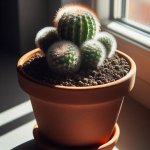
Can I grow cactus in regular potting soil?
Cacti are fascinating plants. With their unique shapes, spiky defenses, and often surprisingly beautiful flowers, they bring a touch of the desert's rugged beauty into our homes and gardens. Many people are drawn to them because they seem so easy to care for – just give them sun and forget about them, right? Not quite. One of the most common mistakes new cactus owners make is planting them in the wrong type of soil. This often leads to the question, "Can I grow cactus in regular potting soil?"
-
Advertisement
-
Tips for Growing a Thriving Indoor Herb Garden
Growing a thriving indoor herb garden relies on providing consistent, adequate light, using appropriate soil and pots with excellent drainage, and mastering precise watering and feeding routines. By understanding the specific needs of each herb, you can ensure a continuous supply of fresh, flavorful additions to your kitchen.
-
How to Grow and Care for Succulents Indoors?
Succulents! They are so popular these days, and it's easy to see why. These unique plants are known for their thick, fleshy leaves that store water. This makes them incredibly drought-tolerant and perfect for busy people or anyone who wants beautiful plants without a lot of fuss. If you’ve ever wanted to add a touch of green to your home but worry about keeping plants alive, indoor succulents might be your answer. They come in so many shapes, sizes, and colors, from the classic echeveria with its rose-like shape to the spiky haworthia and the trailing string of pearls. Growing them indoors is very rewarding, and with a few simple tips, you can help them thrive. Let’s dive into how to make your home a happy place for these amazing plants!
-
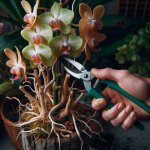
Should You Cut the Spike on a Phalaenopsis Orchid?
The magnificent Phalaenopsis orchid, with its long-lasting and elegant blooms, is a true showstopper. You marvel at its beauty for weeks, perhaps even months. But eventually, inevitably, the last flower fades and drops. Now you're left with a bare stalk – the flower spike – and a common question arises for many orchid owners: Should you cut the spike on a Phalaenopsis orchid?
-
How Do I Get My Phalaenopsis Orchid to Rebloom?
The moment you bring home a gorgeous Phalaenopsis orchid in full bloom, it feels like pure magic. Its elegant, long-lasting flowers add an undeniable touch of exotic beauty to any space. But then, the blooms eventually fade. You water it, you care for it, its leaves stay green, but months pass… and still no new flower spike. This leads to the frustrating and common question: How do I get my Phalaenopsis orchid to rebloom?
-
What Is the Best Temperature for Phalaenopsis Orchids?
The best temperature for Phalaenopsis orchids generally ranges from 65°F to 80°F (18°C to 27°C) during the day and ideally 60°F to 65°F (15°C to 18°C) at night. This day-to-night temperature fluctuation is crucial for triggering reblooming and promoting overall plant health.
-
Is My Phalaenopsis Orchid Getting Too Much Light?
If your Phalaenopsis orchid is getting too much light, its leaves will typically show signs of stress, such as yellowing, reddening, or a bleached appearance, often accompanied by sun scorch. These symptoms indicate that the plant is receiving excessive direct sunlight, which can quickly damage its delicate foliage and overall health.
-
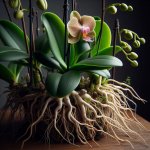
How Do You Repot a Phalaenopsis Orchid Safely?
The majestic Phalaenopsis orchid is famous for its long-lasting, elegant blooms, making it a star in any home. But once those beautiful flowers fade, many new orchid owners find themselves wondering about the next crucial step in their plant's care: repotting. Unlike typical houseplants that grow in dense soil, Phalaenopsis orchids are epiphytes, meaning they thrive in loose, airy media that eventually breaks down. Knowing how to repot a Phalaenopsis orchid safely is essential for its long-term health and for encouraging it to re-bloom year after year.