Houseplants Gardening Tips and Plant Care
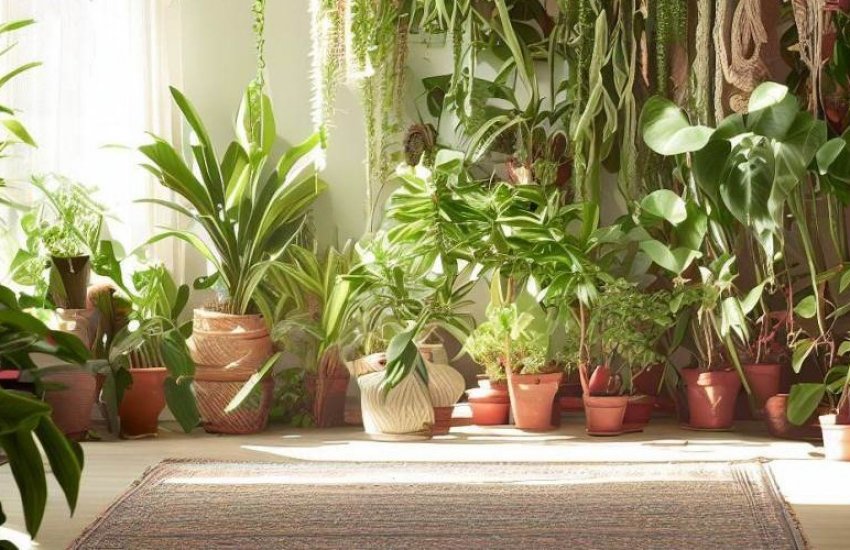
Houseplants bring life, beauty, and fresh air into your home, creating vibrant spaces that uplift your mood and enhance your decor. In our Houseplants category at GardenBotany.com, you'll find easy-to-follow guides and practical tips for choosing, growing, and caring for indoor plants, whether you're a first-time plant parent or a seasoned indoor gardener. Discover the best plants for your space, troubleshoot common issues like pests or watering problems, and learn proven techniques to keep your houseplants thriving, healthy, and beautiful all year round.
Recent Posts of Houseplants - Gardening Ideas
-

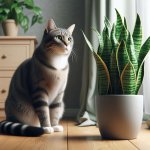
Are Snake Plants Toxic to Pets?
Snake plants (Sansevieria trifasciata, now Dracaena trifasciata) are super popular houseplants. You see them everywhere! They're tough, easy to care for, and look great in any home with their tall, upright leaves. They can handle low light, don't need much water, and even clean the air. It's no wonder so many people love them. But if you have furry friends running around, a big question often comes up: Are snake plants toxic to pets? This is a really important thing to know for dog and cat owners. Let's dig into the details and find out how to keep your pets safe.
-
Why Are the Leaves of My Dumb Cane Turning Yellow?
The dumb cane ( Dieffenbachia ) is a popular houseplant, celebrated for its striking foliage featuring vibrant patterns of green, white, and yellow. Its lush, tropical appearance makes it a favorite for adding a touch of exotic flair to indoor spaces. However, like any living organism, a dumb cane communicates its needs through its appearance. One of the most common and concerning signals it sends is when its beautiful leaves start to turn yellow. This discoloration can be a frustrating sight for any plant parent, often leaving them wondering what went wrong and how to fix it.
-
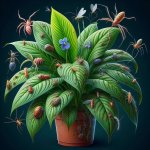
What Are Common Pests That Affect Calathea Plants?
Calathea plants, with their stunningly intricate leaf patterns and vibrant colors, are true gems in the houseplant world. Often called "prayer plants" because their leaves fold up at night and unfurl in the morning, they add a unique, dynamic beauty to any indoor space. While their visual appeal is undeniable, Calatheas also have a reputation for being a bit particular, demanding precise care to thrive. One of the biggest challenges for Calathea owners is dealing with common pests. These unwelcome guests can quickly diminish the beauty of those exquisite leaves and seriously compromise your plant's health if left unchecked. Understanding which pests commonly target Calatheas, recognizing the signs of their presence, and knowing how to effectively control them are crucial steps in keeping your beloved plant lush and vibrant.
-
Advertisement
-
How Do I Care for a Bird of Paradise in Winter?
The Bird of Paradise plant, with its bold, paddle-shaped leaves and spectacular, crane-like flowers, brings a touch of the tropics wherever it grows. Whether it's standing tall in your living room or gracing your outdoor patio during the warmer months, it’s a showstopper. But when the days get shorter and temperatures drop, gardeners in most climates face a common question: "How do I care for my Bird of Paradise in winter?" This isn't a plant that enjoys frosty weather!
-
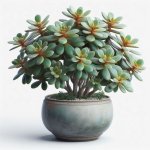
Why Are the Leaves of My Jade Plant Turning Yellow?
Observing your beloved jade plant develop a yellow hue on its usually vibrant green leaves can be a concerning sight for any plant parent. This discoloration, known as chlorosis, is a common sign that something is amiss with your succulent's environment or care routine. Unlike other plants that might droop dramatically, jade plants often show distress through changes in leaf color and texture. Understanding the underlying causes of this yellowing is key to bringing your plant back to its healthy, thriving state.
-
Is Chinese Evergreen Toxic to Pets?
The Chinese Evergreen (scientific name: Aglaonema) is a beloved houseplant for many reasons. Its vibrant, often variegated foliage adds a touch of lush beauty to any indoor space, and it's notoriously easy to care for, thriving even in low-light conditions. But for pet owners, a crucial question always comes to mind when bringing new plants into the home: is Chinese Evergreen toxic to pets? The short answer is yes, this popular houseplant can be harmful to our furry friends if ingested. Understanding the risks and knowing what to do if your pet decides to take a bite is essential for creating a safe environment for your beloved animals.
-
Can You Repot a Phalaenopsis Orchid?
The elegant Phalaenopsis orchid, often called the "moth orchid," is a quintessential houseplant, prized for its stunning, long-lasting blooms and relatively easy care compared to other orchids. Its graceful arching flower spikes and lush green leaves bring a touch of tropical beauty to any home. Many people receive these beauties as gifts, enjoy their initial spectacular display, and then wonder how to keep them thriving and re-blooming for years to come. One common question that arises as these orchids grow is about their roots: when they become a tangled mess seemingly bursting from the pot, the natural query is, "Can I repot this?"
-
What Are the Common Pests That Affect Cactus Plants?
Even the most resilient and spiky residents of your indoor garden are not immune to the unwelcome attention of tiny invaders, prompting many to wonder: what are the common pests that affect cactus plants? Despite their tough exteriors and arid native environments, these unique succulents can still fall prey to a select group of persistent insects that thrive by siphoning off vital plant juices. Identifying these minuscule culprits early and understanding their habits is crucial for protecting your beloved cacti and maintaining their distinct beauty.
-
How Can I Tell If My Succulent Is Overwatered?
Watching your vibrant succulent transform into a sad, squishy version of its former self is a disheartening experience, and more often than not, the root cause is excessive kindness in the form of too much water. Understanding how can I tell if my succulent is overwatered? is the single most important skill for any succulent enthusiast, as these drought-adapted plants are notoriously sensitive to soggy conditions. Recognizing the subtle and not-so-subtle signs of overwatering early on can mean the difference between a quick recovery and losing your beloved plant. It's a common mistake, but fortunately, the symptoms are often clear, guiding you toward timely intervention.
-
Why Are the Leaves of My Boston Fern Turning Brown?
The Boston fern (Nephrolepis exaltata 'Bostoniensis') is a classic houseplant. It's loved for its lush, graceful fronds that can fill a space with vibrant green beauty. It's a popular choice for hanging baskets and adding a touch of nature indoors. But if you own one, you've probably faced a common and frustrating problem: brown leaves. Seeing those once-lively green fronds turn crispy and brown can make any plant parent worried. Don't throw in the towel yet! Most of the time, brown leaves on a Boston fern are a cry for help about its environment. Let's figure out why your fern is browning and how you can bring it back to its glorious green self.