Houseplants Gardening Tips and Plant Care
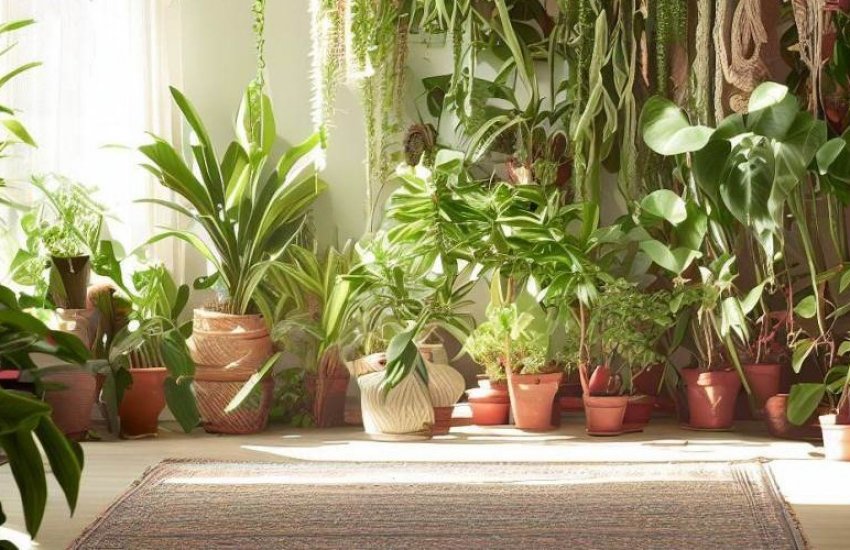
Houseplants bring life, beauty, and fresh air into your home, creating vibrant spaces that uplift your mood and enhance your decor. In our Houseplants category at GardenBotany.com, you'll find easy-to-follow guides and practical tips for choosing, growing, and caring for indoor plants, whether you're a first-time plant parent or a seasoned indoor gardener. Discover the best plants for your space, troubleshoot common issues like pests or watering problems, and learn proven techniques to keep your houseplants thriving, healthy, and beautiful all year round.
Recent Posts of Houseplants - Gardening Ideas
-

How Can I Encourage My Rubber Plant to Grow Taller?
If your aim is to cultivate a striking indoor plant with impressive stature, understanding how to encourage your rubber plant to grow taller is a key aspect of successful houseplant care. These popular houseplants, scientifically known as Ficus elastica, are celebrated for their glossy, dark green leaves and robust growth habit. With the right environmental conditions and a few targeted care practices, you can guide your rubber plant towards becoming a majestic, towering focal point in your home. It's all about mimicking their natural tropical habitat and providing the optimal support for upward growth.
-
Can Philodendron Plants Grow Indoors?
The allure of lush, tropical foliage has made Philodendron plants a staple in indoor gardening for decades. With their diverse array of leaf shapes, sizes, and growth habits, these versatile plants offer something for every aesthetic, from the classic heart-leaf vine to impressive, sculptural specimens. But for those new to the plant world, a common question arises: can Philodendron plants grow indoors? The resounding answer is yes! Not only do they thrive indoors, but many varieties are also remarkably adaptable and forgiving, making them an excellent choice for both beginner and experienced plant enthusiasts. Let's delve into why Philodendrons are perfect houseguests and how to provide them with the care they need to flourish in your home.
-
How Do You Propagate a Spider Plant?
Spider plants are truly a houseplant classic, and for good reason! They're incredibly easy to care for, tolerant of a little neglect, and their graceful, arching leaves with beautiful variegation add a touch of fresh green to any space. Beyond their aesthetic appeal, they're also fantastic air purifiers, making your home a healthier place to live. But perhaps one of the most charming and unique aspects of a spider plant is its enthusiastic production of "spiderettes" – those adorable little plantlets that dangle from the mother plant like tiny spiders on a web.
-
Advertisement
-
How Do You Propagate Aloe Vera Plants?
The Aloe Vera plant (Aloe barbadensis miller) is a household staple, cherished not only for its striking, succulent beauty but also for the soothing gel found within its fleshy leaves. Having an Aloe Vera plant at home means you always have a natural remedy on hand for minor burns, cuts, and skin irritations. Beyond its practical benefits, its architectural form and vibrant green hue make it a stylish addition to any interior decor. It's a remarkably resilient plant, famous for its drought tolerance and overall forgiving nature, making it a favorite among both seasoned gardeners and beginners.
-
Is ZZ Plant Safe for Pets and Children?
The ZZ Plant (Zamioculcas zamiifolia) is a favorite in homes and offices. It's loved for its shiny, dark green leaves and its ability to thrive even when neglected. It's often called the "indestructible plant." But if you have pets or children at home, you might have heard whispers of concern. Is this popular houseplant actually safe? Or is it a hidden danger lurking in your living room? Understanding the truth about the ZZ Plant's toxicity is crucial for keeping your loved ones safe. You want to enjoy your beautiful plants without any worries.
-
Why Are the Leaves of My Pothos Turning Yellow?
Few houseplants are as popular and seemingly resilient as the Pothos (Epipremnum aureum). Known for its trailing vines and heart-shaped leaves, it's a staple in homes and offices, celebrated for its ability to tolerate a wide range of conditions and forgive occasional neglect. Often recommended as a "beginner plant," its lush green or variegated foliage typically thrives with minimal fuss. However, even the hardiest Pothos can sometimes present a puzzling symptom: yellowing leaves.
-
Is the Peace Lily Toxic to Pets?
The Peace Lily (Spathiphyllum) is a beloved houseplant for many reasons. Its elegant white "flowers" (which are actually modified leaves called spathes) and lush green foliage bring a sense of calm and beauty to any room. It's also well-known for being relatively low-maintenance and an excellent air purifier. With all these wonderful qualities, it's easy to see why it's a popular choice for homes.
-
How Do I Repot a Snake Plant?
Repotting your Sansevieria trifasciata, commonly known as a Snake Plant or Mother-in-Law's Tongue, is a straightforward process that helps ensure its continued health and vibrant growth. These popular, resilient houseplants are known for their striking upright foliage and ability to thrive in various indoor conditions, yet even the most low-maintenance plants benefit from a fresh environment occasionally. Understanding how to repot a snake plant correctly will give it the space and nutrients it needs to flourish, whether it's becoming root-bound or simply needs a refresh.
-
What Causes Brown Spots on Fiddle Leaf Fig Leaves?
Observing brown spots on Fiddle Leaf Fig leaves is a common yet often alarming issue for enthusiasts of this popular houseplant, signaling a potential problem with its care or environment. These beautiful plants, known for their large, violin-shaped foliage, can be quite particular, and various factors, from watering imbalances to environmental stressors, can lead to discoloration. Deciphering the exact cause of these brown blemishes is crucial for restoring your Fiddle Leaf Fig to its vibrant, healthy state.
-
What Type of Soil Is Best for Monstera Deliciosa?
The Monstera deliciosa, often affectionately called the Swiss Cheese Plant, has captured the hearts of houseplant enthusiasts worldwide with its iconic, glossy, fenestrated leaves and impressive, sprawling growth. It's a plant that brings a touch of the tropics and a sophisticated architectural element to any indoor space. While its striking appearance is what first draws people in, the secret to a thriving Monstera isn't just about light and water; it largely depends on providing the right foundation: the perfect soil. An unsuitable growing medium can quickly lead to a host of problems, from stunted growth to the dreaded root rot.