Lawn Care Gardening Tips and Plant Care

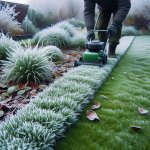
A healthy, vibrant lawn enhances your home's beauty, boosts curb appeal, and provides a welcoming space for relaxation and play. In our Lawn Care category at GardenBotany.com, you'll find straightforward tips, expert advice, and actionable guidance on everything from choosing the right grass seed and proper mowing techniques to tackling weeds, pests, and patchy spots. Whether you're aiming for a pristine green carpet or simply looking to improve the overall health of your lawn, our practical guides help you achieve impressive results with less effort and greater confidence.
Recent Posts of Lawn Care - Gardening Ideas
-

What Are the Benefits and Care Tips for a Zoysia Grass Lawn?
Seeking a resilient and attractive turf for your yard? Understanding the unique characteristics of Zoysia grass can help you cultivate a beautiful and low-maintenance lawn. This comprehensive guide explores the numerous benefits and care tips for a Zoysia grass lawn, providing insights into why this warm-season grass might be the perfect choice for your landscape and how to keep it thriving.
-
How to Grow and Maintain a Clover Lawn?
Learning how to grow and maintain a clover lawn offers an appealing alternative to traditional turfgrass, providing a low-maintenance, eco-friendly, and drought-tolerant ground cover. This often-overlooked plant can create a beautiful, lush green carpet that benefits both your landscape and local pollinators. Understanding the right varieties, planting techniques, and ongoing care will pave the way for a successful and thriving clover lawn.
-
How to Care for a Lawn in Areas with Frequent Frost?
Maintaining a healthy, vibrant lawn can be a challenge in any climate, but when winter brings the regular threat of freezing temperatures, the task becomes even more complex. Frost can stress turf grass, leading to discoloration, damage, and vulnerability to disease. If you're seeking to understand how to care for a lawn in areas with frequent frost, you're in the right place. This comprehensive guide will illuminate the specific strategies and essential seasonal preparations needed to protect your turf, ensure its winter survival, and promote a vigorous spring rebound, allowing your lawn to emerge green and healthy even after a harsh, frosty season.
-
Advertisement
-
What Are the Best Practices for Lawn Care in Urban Areas?
Maintaining a healthy and vibrant lawn in a bustling city environment presents unique challenges. From compacted soil to limited space and unique microclimates, lawn care in urban areas requires specific strategies to ensure your green space thrives. This guide will provide the best practices to overcome these hurdles and cultivate a beautiful, resilient lawn, no matter how small your plot.
-
How Do I Establish and Maintain a Fescue Lawn?
Fescue, particularly Tall Fescue and Fine Fescues, is a popular choice for lawns, especially in cool-season and transition zones, thanks to its notable drought tolerance and ability to thrive in partial shade. If you're looking to establish a resilient, beautiful lawn, knowing how to establish and maintain a Fescue lawn effectively is key. From proper soil preparation and seeding techniques to ongoing watering, mowing, and fertilization, nurturing Fescue requires specific considerations that differ from other grass types. This comprehensive guide will walk you through every step, ensuring your Fescue lawn remains lush and healthy for years to come.
-
How to Care for a Lawn with Heavy Moss Growth?
Learning how to care for a lawn with heavy moss growth can transform a spongy, green carpet of unwanted growth into a lush, healthy turf. Moss isn't just an eyesore; its presence is a clear indicator of underlying issues in your lawn's health that favor moss over grass. Tackling a moss problem effectively means not just removing the moss you see, but also correcting the conditions that allowed it to thrive in the first place. This comprehensive guide will walk you through identifying the causes of moss, removing it safely, and implementing long-term solutions to ensure your grass can outcompete moss and flourish.
-
What Are the Best Grasses for Low-Light Lawns?
Maintaining a lush, green lawn in a low-light area can feel like an impossible task, especially when traditional grass varieties struggle to thrive. However, understanding what are the best grasses for low-light lawns can transform these challenging spots into verdant, enjoyable spaces. While no grass can grow in complete darkness, certain species are significantly more shade-tolerant than others, offering a viable solution for shady yards, areas under trees, or north-facing sections of your property.
-
How Do I Care for a Wildflower Lawn?
Transforming a traditional turfgrass lawn into a vibrant wildflower meadow is a truly rewarding endeavor, offering a burst of natural beauty, enhanced biodiversity, and significantly reduced maintenance. If you're wondering how do I care for a wildflower lawn, you're embarking on a journey towards a more eco-friendly and dynamic landscape. Unlike conventional lawns that demand constant mowing, watering, and fertilizing, wildflower lawns embrace a more natural approach, providing continuous blooms and attracting pollinators while requiring a different set of care principles.
-
What are the benefits of mulching grass clippings?
Maintaining a vibrant, healthy lawn is a goal for many homeowners, and often involves regular mowing. Traditionally, after cutting the grass, the clippings were bagged and disposed of, perhaps sent to a landfill or composted elsewhere. However, a growing number of gardeners and lawn care enthusiasts are discovering a simpler, more beneficial approach: mulching grass clippings. This method involves leaving the finely chopped grass blades on the lawn rather than removing them. It might seem counterintuitive to leave organic material on your lawn, but this practice offers a wealth of advantages for your turf, your wallet, and the environment.
-
How can I prevent my lawn from getting compacted?
Your lawn is a living thing. It breathes, it drinks, and it needs a good foundation to grow strong and green. One big problem that can stop your lawn from being its best is soil compaction. This happens when the soil particles get squished together, making it hard for air, water, and nutrients to reach the grass roots. Think of it like trying to breathe with a heavy weight on your chest – it’s just not easy. When your soil gets too dense, roots struggle to spread out, water can't soak in properly, and your grass starts to look thin, weak, and unhealthy. You might notice puddles after it rains, even on a slight slope, or your grass just isn't responding to fertilizer like it used to. Understanding how to keep your soil loose and happy is key to a beautiful, thriving lawn that can withstand everyday wear and tear.