Plant Problems Gardening Tips and Plant Care
Even the healthiest gardens sometimes face challenges—but identifying and solving plant problems quickly can save your greenery and keep your garden thriving. In our Plant Problems category at GardenBotany.com, we help you recognize common issues like pests, diseases, nutrient deficiencies, and environmental stress, offering clear, practical advice to get your plants back on track. From spotting early symptoms to implementing effective treatments, our guides simplify troubleshooting so you can maintain a lush, healthy garden, indoors and out.
Recent Posts of Plant Problems - Gardening Ideas
-

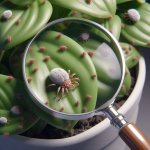
What Are the Top Symptoms of Spider Mites on Houseplants?
Spider mites are one of the most common and destructive pests that can affect houseplants. These tiny arachnids, which belong to the Tetranychidae family, feed on the sap of plants, damaging their leaves, stems, and overall health. Early detection of a spider mite infestation is crucial for preventing serious damage, but because these pests are so small, they are often overlooked until the infestation becomes severe.
-
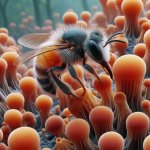
Nosema: The Fungal Threat to Your Bees
Honeybees are crucial pollinators, supporting not only biodiversity but also agricultural production. However, honeybee populations worldwide face numerous threats, including parasites, pesticides, environmental stressors, and diseases. Among the most concerning diseases is Nosema, a highly destructive fungal infection that can severely weaken colonies and, if left untreated, may result in colony collapse.
-
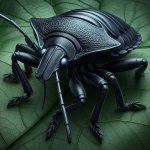
Chinch Bugs: How to Protect Your Lawn from Damage
A lush, green lawn is the pride of many homeowners, but when it starts to turn brown and patchy, one of the most likely culprits could be chinch bugs. These tiny pests are notorious for damaging turfgrass, especially in the summer months, when they thrive in hot, dry conditions. Without early detection and proper management, chinch bugs can devastate your lawn, leaving you with unsightly brown patches that can be difficult to restore.
-
Advertisement
-
Cabbage Maggot: How to Safeguard Your Crucifers
Cabbage maggots are small but devastating pests that can wreak havoc on your beloved cruciferous vegetables, including cabbage, broccoli, cauliflower, kale, and Brussels sprouts. These tiny insects may seem insignificant, but their ability to destroy a crop from beneath the soil makes them a major threat to gardeners and farmers alike.
-
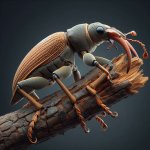
Twig Girdlers: The Twisted Truth About This Pest
When it comes to maintaining healthy trees and shrubs in your garden or orchard, pests are always a concern. One particularly destructive insect that can wreak havoc on trees is the twig girdler. These pests, although small, can cause significant damage by severing branches and twigs, leaving them to fall to the ground. Understanding twig girdlers, their life cycle, the damage they cause, and how to control them is key to keeping your trees in top condition.
-
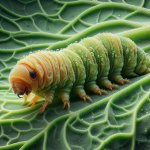
Rose Slugs: Keeping Your Roses Beautiful and Healthy
Roses are beloved for their beauty, fragrance, and the elegance they bring to any garden. But these stunning plants are not without their challenges, and one of the most common and damaging pests is the rose slug. While they may look harmless, rose slugs can wreak havoc on your roses, leaving them with chewed leaves, holes, and an overall unhealthy appearance.
-
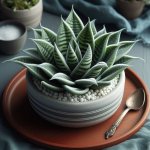
What Can I Do If My Snake Plant Has Soft, Mushy Leaves?
The snake plant (Sansevieria trifasciata), also known as Mother-in-Law's Tongue, is a popular houseplant known for its resilience, low maintenance needs, and striking appearance. However, even the most hardy plants can suffer from problems, and one common issue is soft, mushy leaves. Snake plants are typically characterized by their firm, upright, and fleshy leaves, so when you notice them becoming soft or mushy, it’s a sign that something is wrong.
-
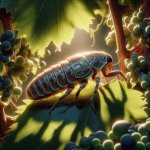
Grape Phylloxera: A Major Threat to Vineyards
Grape phylloxera (Daktulosphaira vitifoliae) is a small, aphid-like insect that poses a serious threat to vineyards worldwide. Originally native to North America, this destructive pest has devastated grapevines across Europe, Australia, and parts of Asia. For vineyard owners, winemakers, and grape enthusiasts, grape phylloxera is a name synonymous with the catastrophic vineyard damage it can cause.
-
How Can I Prevent My Pothos from Developing Root Rot?
Pothos (Epipremnum aureum), also known as Devil's Ivy, is one of the most popular houseplants, prized for its easy-care nature and ability to thrive in low-light environments. However, like many indoor plants, pothos is susceptible to root rot, a condition that can quickly kill your plant if not addressed. Preventing root rot is crucial for keeping your pothos healthy and vibrant.
-
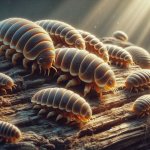
Pill Bugs: The Good, the Bad, and the Ugly
In the world of gardening, pill bugs often get a mixed reputation. Known for their ability to roll into a ball when disturbed, these small crustaceans are commonly found in gardens, under logs, rocks, and leaf litter. Also referred to as roly-polies, woodlice, or sow bugs, pill bugs are part of the Isopoda order and are one of the few crustaceans that can live entirely on land.