Plant Problems Gardening Tips and Plant Care
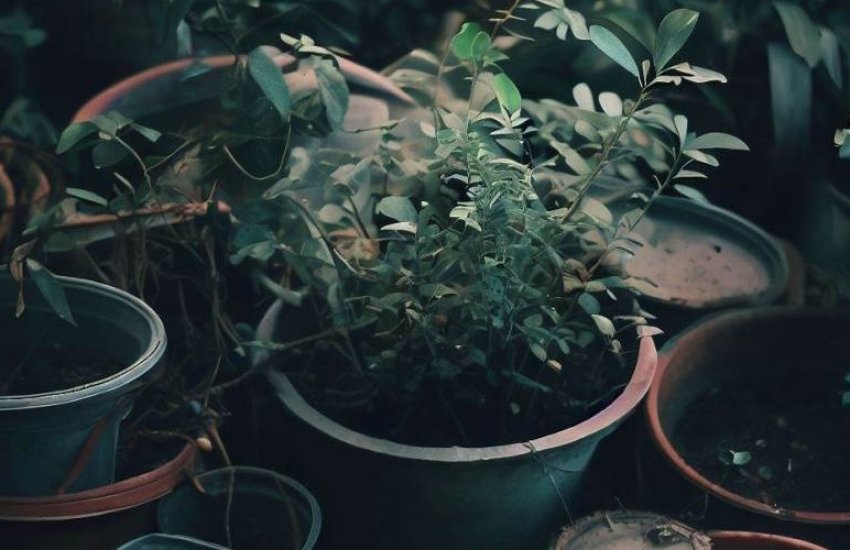
Even the healthiest gardens sometimes face challenges—but identifying and solving plant problems quickly can save your greenery and keep your garden thriving. In our Plant Problems category at GardenBotany.com, we help you recognize common issues like pests, diseases, nutrient deficiencies, and environmental stress, offering clear, practical advice to get your plants back on track. From spotting early symptoms to implementing effective treatments, our guides simplify troubleshooting so you can maintain a lush, healthy garden, indoors and out.
Recent Posts of Plant Problems - Gardening Ideas
-

Defending Your Plants: Strategies to Fight Disease Outbreaks
A vibrant garden, brimming with healthy plants, is a source of immense joy and satisfaction. However, even the most meticulous gardener can face the disheartening sight of a plant succumbing to an unknown ailment. Plant diseases, often invisible in their initial stages, can swiftly spread, turning lush foliage into wilted, discolored messes and jeopardizing an entire harvest. Understanding these microscopic threats and equipping yourself with effective strategies to fight disease outbreaks is fundamental to maintaining a thriving green space. It’s a continuous learning curve, but one that empowers you to protect your botanical companions.
-
Battling Bugs: How to Combat Pest Infestation in Your Garden
Maintaining a vibrant and healthy garden brings immense satisfaction. However, this joy can quickly diminish when unwelcome visitors – pests – begin to take hold. A pest infestation can quickly damage or even destroy your beloved plants, turning lush foliage into tattered leaves and promising harvests into disappointment. Understanding how to identify common garden pests and, more importantly, how to effectively combat them is a vital skill for any gardener. This comprehensive guide will arm you with the knowledge and strategies to protect your green space, ensuring your plants thrive.
-
Pruning Perfection: Mastering the Art for Healthy Growth
For many new gardeners, the thought of cutting into a living plant can be daunting, even terrifying. There's a common fear of doing something wrong and irrevocably harming a cherished shrub or tree. However, far from being a destructive act, pruning is actually a fundamental practice in plant care, a subtle art that, when mastered, unlocks incredible potential for healthy growth and abundant blooms or harvests. It's a precise conversation with your plants, guiding their development and ensuring their long-term vitality.
-
Advertisement
-
Deer Dilemma: Protecting Your Plants from Browsing Wildlife
Few experiences are as disheartening for a gardener as waking up to find their cherished plants mysteriously defoliated, tender shoots nipped off, or entire crops disappearing overnight. While many culprits can cause such damage, in suburban and rural areas, the primary architect of this devastation is often the graceful yet voracious deer. These browsing animals, driven by hunger, can turn a thriving garden into a barren landscape in a single night, creating a true deer dilemma for homeowners and horticulturists alike.
-
Caterpillar Crisis: Managing Damage from Hungry Larvae
There's nothing quite as satisfying as watching your garden flourish, its leaves vibrant and its blooms abundant. Then, seemingly overnight, you spot the tell-tale signs: ragged holes in leaves, chewed-up edges, or even entire sections of foliage mysteriously vanishing. The culprit is often a caterpillar, the larval stage of moths and butterflies. While some caterpillars transform into beautiful pollinators we cherish, others are simply voracious eaters, capable of causing significant damage to beloved plants, from prized roses to productive vegetable crops. Their seemingly insatiable appetite can quickly turn a thriving garden into a battleground against hungry munchers.
-
Aphid Alert: Controlling and Preventing Aphid Infestations
Few garden pests are as ubiquitous and annoying as aphids. These tiny, soft-bodied insects seem to appear out of nowhere, multiplying rapidly and feasting on the tender new growth of almost any plant, from delicate roses to sturdy vegetables. Whether you're a seasoned gardener or a new plant parent, encountering an aphid infestation is an almost inevitable part of the journey. Their sheer numbers can be disheartening, and the damage they inflict—curled leaves, stunted growth, and sticky residue—can quickly diminish the beauty and productivity of your plants.
-
Mildew Mayhem: Tackling Powdery Mildew Issues Head-On
The sight of a delicate white dusting on your beloved plants can send a shiver down any gardener's spine. This tell-tale sign often heralds the unwelcome arrival of powdery mildew, a common fungal disease that can quickly spread, marring foliage, stunting growth, and diminishing the beauty of your garden. From the vibrant blooms of roses to the tender leaves of squash, few plants are truly immune to its pervasive reach. Understanding this insidious foe is the first step in protecting your green companions and ensuring your garden remains a thriving, picturesque haven rather than a battleground of mildew mayhem.
-
Banishing Blossom End Rot: Prevention and Treatment
There’s little that’s more frustrating for a gardener than seeing your beautiful, ripening tomatoes, peppers, or squash suddenly develop a dark, sunken spot on the bottom. This disheartening sight is often the tell-tale sign of blossom end rot, a common physiological disorder that affects many fruiting vegetables. It can turn a promising harvest into a collection of unappetizing, ruined produce.
-
Curling Conundrum: Solutions for Curled Leaves in Your Garden
Observing your beloved garden plants thrive is one of the most rewarding aspects of gardening. Yet, even the most experienced green thumbs occasionally face perplexing challenges. Among the more common and frustrating issues is the phenomenon of curled leaves. When leaves begin to roll, cup, or crinkle, it's a clear signal that something is amiss. This symptom can be a source of bewilderment for gardeners, as it often points to a range of potential problems, from environmental stressors to hidden pests or diseases.
-
Growth Hurdles: Overcoming Stunted Plant Development
Every gardener, at some point, has faced the disheartening sight of a plant that just isn't growing as it should. Instead of lush foliage and vibrant blooms, you might observe yellowing leaves, a general lack of vigor, or simply a plant that seems stuck in time, refusing to reach its full potential. This frustrating phenomenon is known as stunted plant development, and it's a common hurdle that can perplex even experienced green thumbs. It's a clear signal that something in the plant's environment or care routine isn't quite right, preventing it from thriving.