Gardening Doesn't Have to Be Complicated if You Know What You're Doing
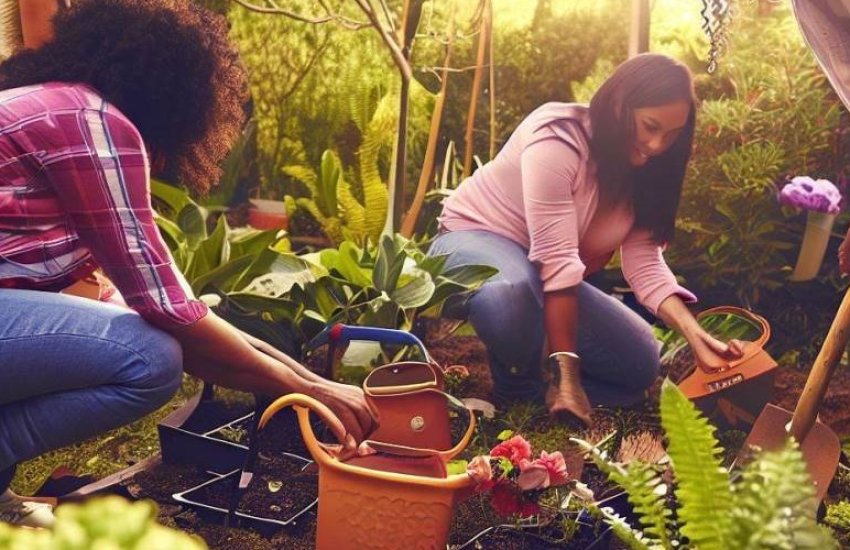
With just a bit of practical knowledge and the right tools, anyone can create a lush, vibrant garden space. Whether you're tending to houseplants, nurturing a vegetable patch, or crafting a backyard oasis, understanding a few fundamental tips can simplify the entire process. At GardenBotany.com, we're here to guide you every step of the way, making gardening enjoyable, stress-free, and accessible for everyone, from complete beginners to seasoned gardeners looking to perfect their green thumbs.
Latest Gardening Posts and Plant Care Tips
-

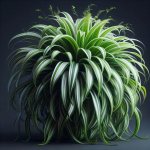
How Do I Fix Brown, Dry Patches on My Spider Plant's Leaves?
To fix brown, dry patches on your spider plant's leaves, you need to identify and correct underlying environmental or care issues. The most common causes are related to water quality, humidity, light, or fertilizer, all of which stress the plant and manifest as crispy brown tips or spots.
-
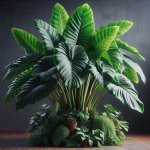
Why Is My Alocasia Dropping Healthy-Looking Leaves?
If your Alocasia is dropping healthy-looking leaves, it's most commonly a sign of stress related to either inconsistent watering, sudden environmental changes, or its natural dormancy cycle. While Alocasias prefer stable conditions, they are sensitive plants that can react to even subtle shifts in light, humidity, or temperature by sacrificing older foliage to support new growth.
-
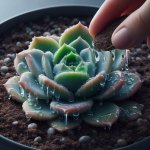
How Can I Revive a Succulent with Translucent, Waterlogged Leaves?
To revive a succulent with translucent, waterlogged leaves, you must immediately remove it from its wet soil, inspect for rot, prune affected parts, and allow it to dry thoroughly before repotting into fresh, well-draining succulent-specific soil. This issue, often indicative of overwatering, requires swift action to prevent further damage.
-
Why Are My Philodendron's New Leaves Coming Out Small and Deformed?
If your philodendron's new leaves are coming out small and deformed, it's a clear sign your plant is experiencing stress, most commonly due to inadequate humidity, insufficient light, or nutrient deficiencies. Other factors like pest infestations or watering issues can also contribute to distorted new growth.
-
What Causes Black Spots on My Orchid's Leaves, and How Can I Treat Them?
Black spots on your orchid's leaves are often a symptom of fungal or bacterial infections, though they can also indicate environmental stress such as cold damage or sunburn. To treat them, it's crucial to first accurately diagnose the cause, then remove affected tissue, improve air circulation, adjust watering, and in some cases, apply appropriate fungicides or bactericides.
-
Why Are My Calathea's Leaves Curling Up and Turning Crispy at the Edges?
Calathea leaves curling up and turning crispy at the edges are typically a distress signal indicating a problem with the plant's environment, most commonly low humidity, improper watering, or poor water quality. Addressing these factors is key to restoring your Calathea's lush appearance.
-
Best Practices for Organic Pest Management
Managing pests in an organic garden can be a challenging task, but with the right techniques, you can keep your plants healthy and pest-free without using harmful chemicals. Organic pest management relies on natural methods to control pests, promoting a balanced ecosystem and protecting beneficial insects. By focusing on prevention, monitoring, and natural pest control, you can enjoy a productive and sustainable garden.
-
How to Choose the Right Soil for Container Gardening?
Choosing the right soil is one of the most crucial steps to ensuring successful container gardening. Unlike plants grown directly in the ground, container plants rely entirely on the soil you provide for nutrients, water retention, and drainage. Selecting the right potting mix can help your plants thrive, producing vibrant flowers, healthy foliage, and abundant fruits and vegetables. Understanding the basics of soil for container gardening will help you create a flourishing potted garden that’s easy to manage.
-
How to Grow Plants from Kitchen Scraps?
Growing plants from kitchen scraps is a fun and eco-friendly way to repurpose leftovers and create a small, thriving garden. Instead of throwing away vegetable trimmings or seeds, you can regrow many plants with minimal effort. This sustainable practice not only reduces waste but also saves money on groceries, offering a rewarding gardening experience right from your kitchen.
-
Best Plants for a Low-Light Garden
Creating a lush, thriving garden in low-light conditions may seem challenging, but it’s far from impossible. In fact, plenty of beautiful and resilient plants thrive in shaded spaces, making them perfect for low-light gardens. These plants bring texture, color, and vitality to even the dimmest corners of your home or yard, allowing you to create an eye-catching, tranquil oasis.